




The story of the Underground Railroad is one of courage, defiance, and hope in the face of severe racial oppression. While the network spanned several decades, one country played a critical role in the freedom-seeking journey of thousands of enslaved African Americans: Canada. As a final destination for many escaping the horrors of slavery in the United States, Canada became a symbol of hope, freedom, and refuge for African Americans during the 19th century. However, the journey was not without immense challenges, dangers, and sacrifices.
The Origins of the Underground Railroad
The Underground Railroad was neither underground nor a literal railroad. Instead, it was a covert network of secret routes and safe houses organized by abolitionists, free Black people, and sympathetic allies dedicated to helping enslaved people escape the United States and seek refuge in free northern states and Canada. The term “Underground Railroad” was first coined in the early 1830s as more enslaved people made their way northward, following the “tracks” of those who had already gained their freedom.
“We have to remember that for every individual who found their way to freedom through the Underground Railroad, countless others were left behind, some captured and brutally punished. The journey was perilous, but Canada became a symbol of liberation for those willing to risk it all,” says historian Dr. Amara Davis, who specializes in Black Canadian history.
Canada’s appeal as a destination was partly due to its geographic location, situated just north of the U.S. border, as well as its political stance on slavery. By the early 1800s, slavery had largely been abolished in most of the British Empire, including Canada. This made it a haven for fugitive slaves seeking freedom from the systemic racial oppression entrenched in the southern United States.
Crossing into Freedom: The Journey to Canada
For those escaping slavery, reaching Canada was the ultimate goal, though it required overcoming significant obstacles. The trek north involved navigating dangerous terrain, avoiding bounty hunters, and travelling under the cover of night. Escaped slaves followed the North Star or relied on abolitionists to guide them. Safe houses, often marked by subtle symbols such as lanterns or specific quilt patterns, provided temporary shelter and protection from capture.
One of the major entry points into Canada was through the Niagara River, where slaves would cross from Buffalo, New York, into present-day Ontario. Other points of entry included Detroit, Michigan, where they crossed into Windsor, Ontario, as well as routes from Vermont into Quebec.
“My great-great-grandmother fled with her siblings as children, following the stars and the whispers of people who helped them along the way,” says Sarah Thompson, a descendant of those who sought freedom in Canada. “The stories passed down in my family speak to the sheer terror of the journey but also the relief they felt when they set foot on Canadian soil.”
The Fugitive Slave Act of 1850 in the United States, which required citizens and law enforcement to assist in capturing escaped slaves, intensified the urgency for those seeking freedom. Even in northern states that had abolished slavery, fugitives were not safe. Canada, however, offered legal protection to fugitive slaves, reinforcing its reputation as a safe haven.
Settling in Canada: A New Beginning, But Not Without Challenges
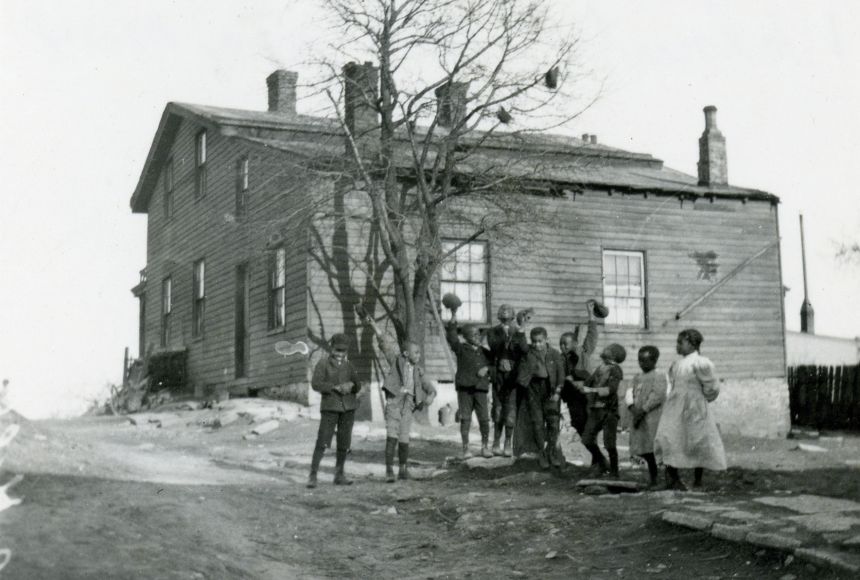
Upon arriving in Canada, many Black individuals settled in cities and towns across Ontario, Quebec, and Nova Scotia. Cities like Toronto, Hamilton, and Windsor became home to vibrant Black communities. In southwestern Ontario, areas like Buxton and Dresden became known for their significant populations of formerly enslaved people, many of whom purchased land and established successful farming communities.
“The Buxton Settlement is a reminder of Black excellence in Canada’s early history. These were people who, despite everything they had endured, built prosperous communities, educated their children, and contributed to the Canadian landscape in profound ways,” notes Rosemary Sadlier, an advocate for Black Canadian history and former president of the Ontario Black History Society.
Despite the relative safety and freedom in Canada, Black settlers faced challenges. Racism and segregation were still prevalent, with Black Canadians frequently barred from certain jobs, schools, and public spaces. Many Black Canadians fought for equal rights long after their arrival. Institutions like the British Methodist Episcopal Church in Canada, established by Black Canadians, became centers for activism and support within the community.
“Canada wasn’t perfect,” says Sadlier. “There were still systemic barriers and overt discrimination, but for many, it was a place where they could live with the hope of building a better future for themselves and their children.”
Canada’s Anti-Slavery Legacy
Canada’s role in the Underground Railroad and its status as a refuge for escaped slaves cemented its place in the larger abolitionist movement. Canadian abolitionists, both Black and white, played pivotal roles in supporting fugitive slaves. Among them was Mary Ann Shadd Cary, the first Black woman in North America to publish a newspaper. As an abolitionist and educator, Shadd Cary advocated for the integration of Black refugees into Canadian society, encouraging them to settle in Canada and become self-sufficient.
Her newspaper, The Provincial Freeman, became a critical tool in both advocating for the rights of Black settlers and raising awareness about the abolitionist cause.
“Mary Ann Shadd Cary’s work is something we all need to remember,” says activist and author Lawrence Hill. “Her tireless efforts to educate and uplift Black people in Canada during a time of great racial prejudice laid the groundwork for future generations of Black leaders.”
Another notable figure is Josiah Henson, a former slave who escaped to Canada and established the Dawn Settlement in Ontario, which became a model community for fugitive slaves. Henson’s autobiography, The Life of Josiah Henson, inspired Harriet Beecher Stowe’s famous novel, Uncle Tom’s Cabin, which further amplified the abolitionist cause.
“Henson’s journey is a testament to the resilience of the human spirit,” reflects historian David Oni. “To escape the dehumanization of slavery and then turn around to build a thriving community in Canada – it’s a remarkable story of perseverance and leadership.”
The Legacy of the Underground Railroad in Canada
Today, the legacy of the Underground Railroad is commemorated across Canada through museums, historical landmarks, and cultural events. The Buxton National Historic Site and Museum in Ontario, for example, preserves the history of the Buxton Settlement, while Uncle Tom’s Cabin Historic Site in Dresden, Ontario, honours Josiah Henson’s life and contributions.
“The history of Black Canadians and the Underground Railroad is something every Canadian should learn about,” says Oni. “It’s not just Black history – it’s Canadian history. It’s a story of resilience, courage, and the fight for justice that continues to inspire us today.”
As we reflect on Canada’s role in the Underground Railroad, it is essential to remember that the fight for racial equality did not end with the abolition of slavery. The legacies of those who sought freedom in Canada live on through the continued struggles for social justice, equity, and recognition faced by Black Canadians today.
“When we talk about the Underground Railroad, we’re talking about the beginning of a fight that is still ongoing,” says activist and author Desmond Cole. “The freedom those individuals sought is something Black Canadians are still fighting for in many ways – in our schools, in our workplaces, and in our justice system.”
The Underground Railroad remains a significant chapter in both Black and Canadian history, offering a powerful reminder of the strength of the human spirit and the ongoing pursuit of freedom and equality.
Follow Canada News Media
Get the day's top Canadian stories and our two daily 60-second news videos wherever you scroll.
X Threads Facebook Instagram LinkedIn TikTok YouTube Pinterest Reddit Substack Flipboard Newsletter RSS