



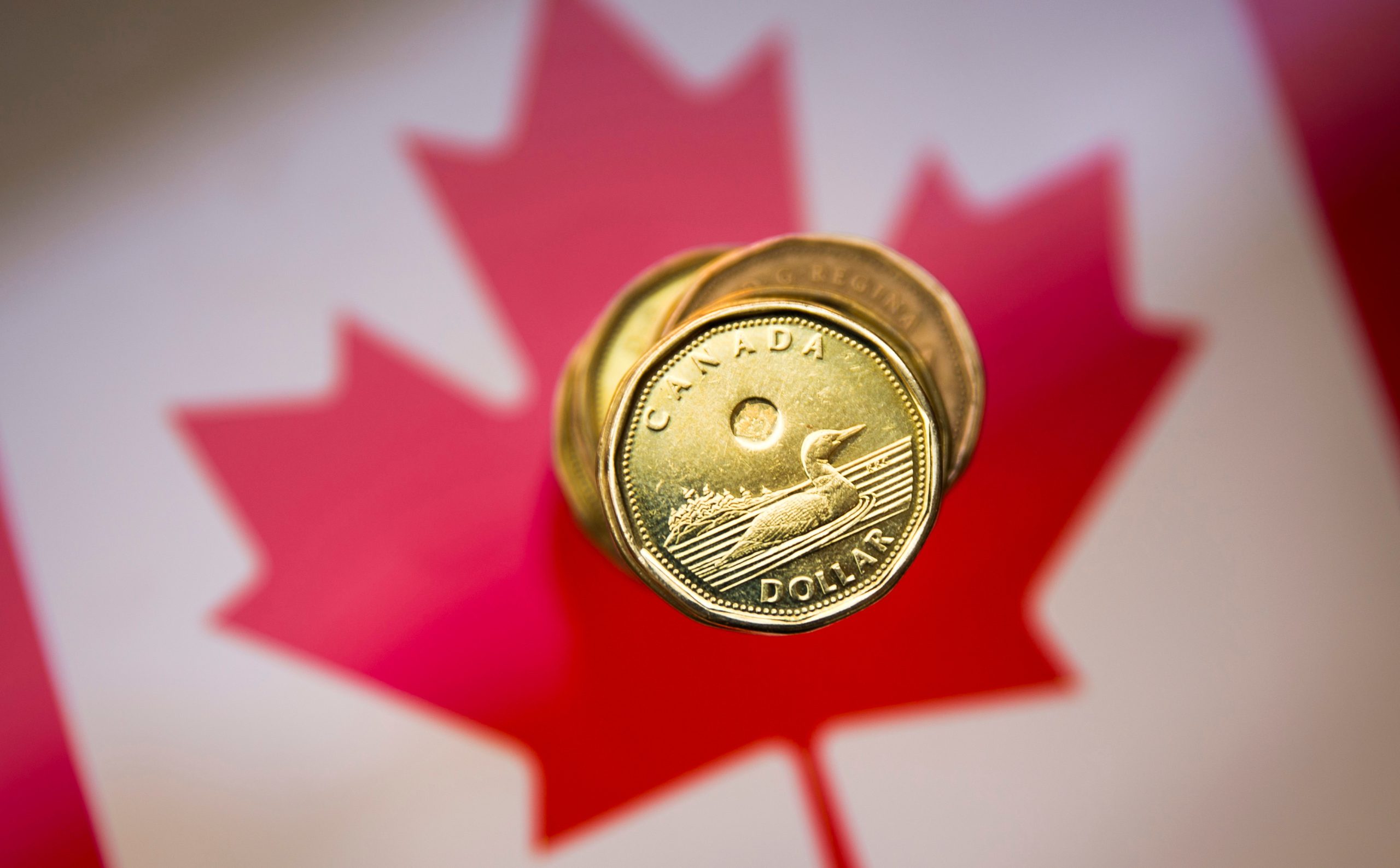
The Canadian dollar was little changed against the greenback on Tuesday, recovering from its weakest level in nearly two weeks, as investors weighed an uncertain outlook for the global economy and data showed Canada’s trade balance shifting into surplus.
Stock markets globally edged lower, adding to recent declines, as the prospect of a ban on Russian oil imports pushed oil prices higher and added to investor fears over inflation.
U.S. crude prices were up 5.2% at $125.64 a barrel.
Oil is one of Canada’s major exports but the historic link between the Canadian dollar and energy prices has weakened during the Russia-Ukraine crisis, leaving the Bank of Canada with one less tool to fight inflation.
Last Wednesday, the central bank hiked interest rates for the first time in three years and made clear more hikes were on the way.
Canada posted a trade surplus of C$2.6 billion in January as imports fell faster than exports, data from Statistics Canada showed. Imports were down 7.4%, while the December data was revised to show a deficit of C$1.6 billion.
The Canadian dollar was trading nearly unchanged at 1.2824 to the greenback, or 77.98 U.S. cents, after touching its weakest intraday level since Feb. 24 at 1.2843.
Canadian government bond yields were higher across a steeper curve, tracking the move in U.S. Treasuries.
The 10-year rose 5.8 basis points to 1.784%, after touching on Monday its lowest intraday level in more than two months at 1.643%.
(Reporting by Fergal Smith; Editing by Bernadette Baum)
Follow Canada News Media
Get the day's top Canadian stories and our two daily 60-second news videos wherever you scroll.
X Threads Facebook Instagram LinkedIn TikTok YouTube Pinterest Reddit Substack Flipboard Newsletter RSS