

In the ongoing conversation about education and history in Canada, there is a growing demand for a more honest and comprehensive curriculum that addresses the historical injustices faced by Black and Indigenous people. While much of Canada’s history with slavery and Indigenous residential schools has often been omitted or glossed over in textbooks, there is a movement, particularly from Black and Indigenous communities, to ensure that the next generation is properly educated about the nation’s colonial past. Advocates argue that without a fuller understanding of these atrocities, the cycle of racial injustice will persist.
Many educators, activists, and community members are calling on the Canadian government and school boards to include more detailed lessons on the history of Black slavery in Canada and the lasting trauma inflicted by the Indigenous residential school system.
“I didn’t learn about Black slavery in Canada until I was in university,” says Aisha Williams, a Black Canadian student at Ryerson University. “I remember being shocked because the narrative growing up was always that Canada was this land of freedom. I thought slavery only existed in the United States. It wasn’t until much later that I learned about the enslaved Black people here and how Canada played a role in the transatlantic slave trade.”
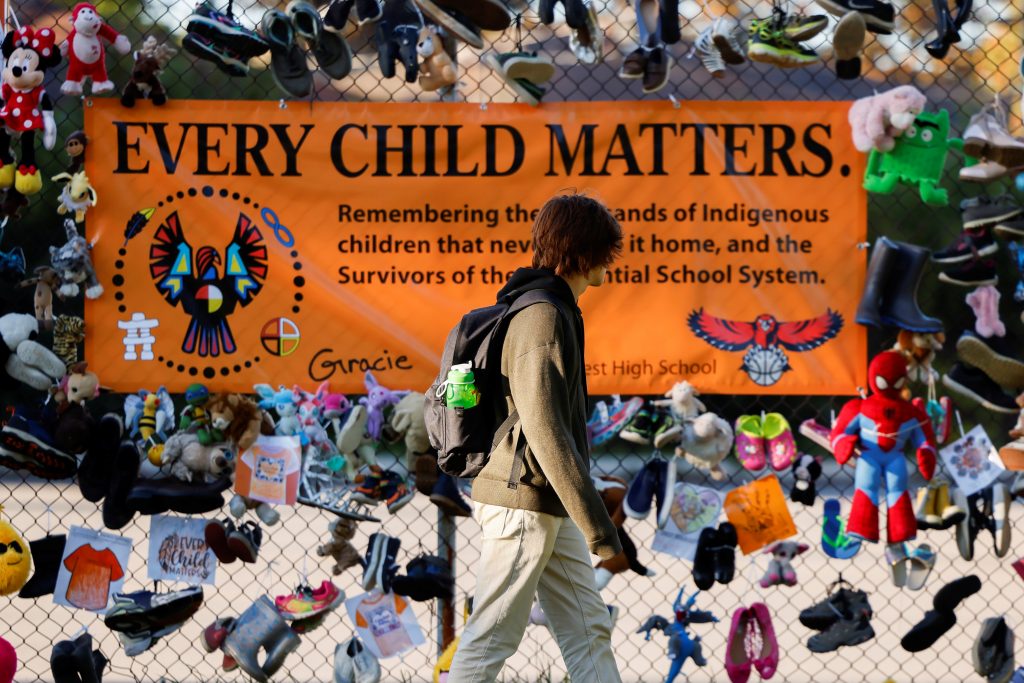
Similarly, residential schools—institutions designed to forcibly assimilate Indigenous children into Euro-Canadian culture—were largely absent from mainstream education until recent decades. While more attention is being given to the residential school system, there is still much work to be done to fully integrate these lessons into the curriculum.
Chief Robert Small of the Cree Nation believes that education is the key to reconciliation. “The Truth and Reconciliation Commission made it clear that we need to teach our children about what happened in those schools. This isn’t just Indigenous history; this is Canadian history. Until every Canadian child understands what happened to Indigenous peoples, we cannot heal.”
Black Slavery in Canada: A Hidden Past
The common narrative that Canada was a safe haven for enslaved people fleeing the southern United States via the Underground Railroad is only part of the story. Black slavery existed in Canada for over 200 years, beginning with the early French colonists in the 1600s and continuing under British rule.
“It’s a dark part of our history that’s often neglected,” says historian Dr. Afua Cooper, who has written extensively about Black slavery in Canada. “Between the 1600s and the early 1800s, thousands of Black people were enslaved in what is now Quebec, Ontario, and the Maritimes. They worked in households, farms, and businesses, and their stories have been erased from the popular narrative.”
Dr. Cooper emphasizes the importance of teaching this history in schools, not only to rectify the erasure but to help Black Canadian students see themselves in the country’s past. “When Black students don’t see their history reflected in the curriculum, it sends a message that their stories don’t matter. But Black Canadians have been here for centuries, and their experiences are central to understanding the development of this nation.”
The Legacy of Indigenous Residential Schools
From the late 1800s to the 1990s, more than 150,000 Indigenous children were taken from their families and placed in residential schools across Canada. Many were subjected to physical, emotional, and sexual abuse. The goal of these schools was clear: to erase Indigenous cultures, languages, and identities in favour of Eurocentric ideals.
Marion Crowe, a survivor of the residential school system, recalls the trauma of being taken from her family at the age of six. “We weren’t allowed to speak our language, practice our traditions, or even see our families. The scars from that experience are deep, and they’ve been passed down through generations.”
While the Truth and Reconciliation Commission (TRC) report, released in 2015, brought widespread attention to the horrors of the residential schools, many Canadians remain unaware of the full extent of this history.
“We need to teach the truth to our children,” says Crowe. “They need to know what happened so they can understand why so many Indigenous people are still struggling today. The intergenerational trauma is real, and it’s time for schools to reflect that in their teachings.”
The Role of Schools in Shaping Perspectives
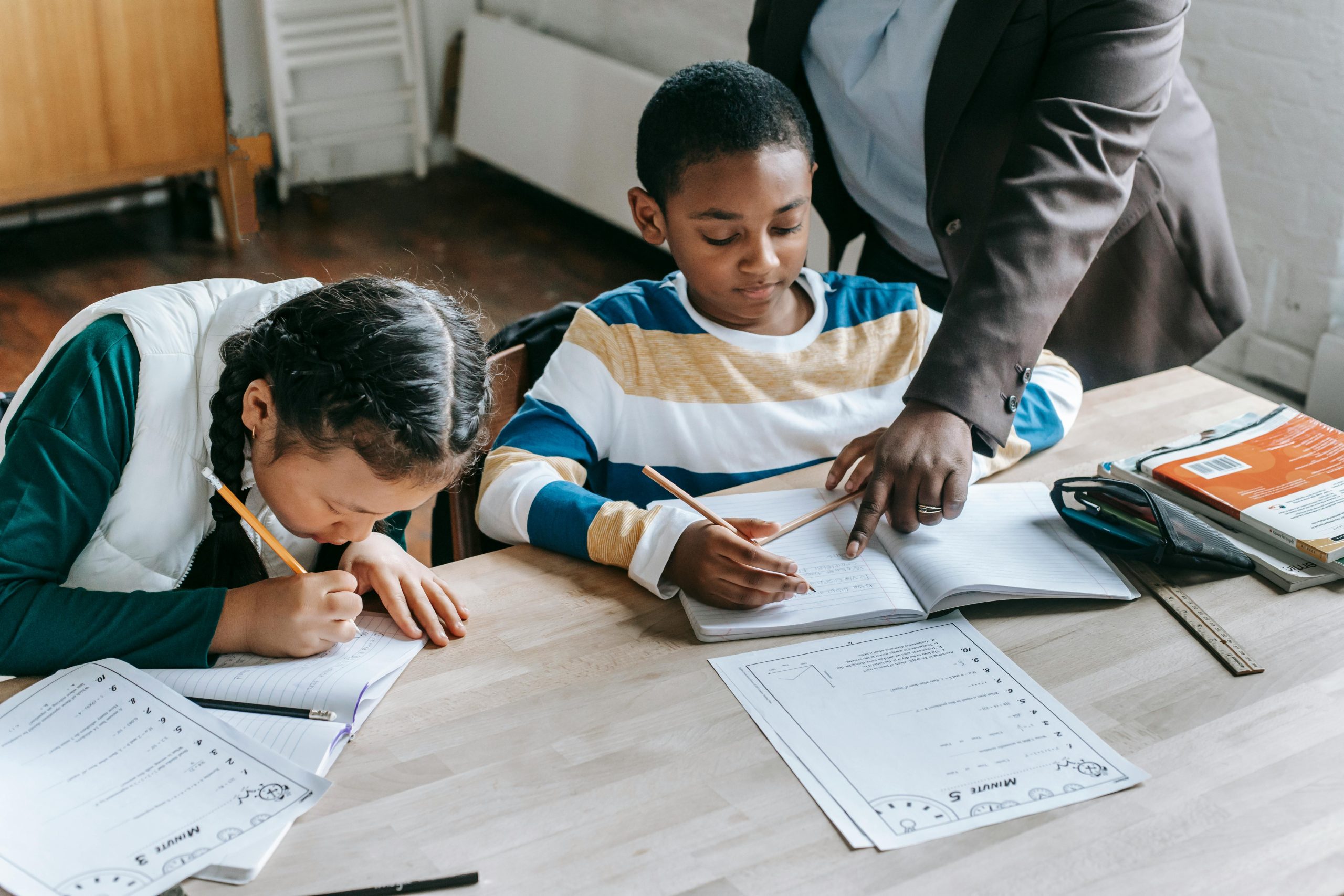
Schools are critical in shaping the views of young Canadians. Advocates argue that if schools fail to teach the realities of Black slavery and Indigenous oppression, they perpetuate the myth that Canada’s history is free of the racial atrocities seen in other countries.
“We need to stop pretending that Canada is somehow ‘better’ than the U.S. when it comes to racism,” says Desmond Cole, a Black Canadian journalist and activist. “Our history is just as violent and oppressive. But we can’t change the future if we’re not willing to confront the past. And that starts in the classroom.”
Cole believes that a more robust curriculum would also help address the racism that Black and Indigenous students still face in Canadian schools today. “When you don’t learn about the real history, it’s easy for people to believe the stereotypes. But when students understand the roots of systemic racism, they’re less likely to perpetuate it.”
Government Responsibility
The push for a more inclusive curriculum has reached government officials, but change has been slow. In response to the TRC’s Calls to Action, some provinces have begun to include Indigenous history in their curricula, but the coverage remains uneven. Similarly, while some schools have started to teach about Black slavery, it is not yet a nationwide standard.
“We need a national mandate,” says Celina Caesar-Chavannes, former Member of Parliament and advocate for racial justice. “It shouldn’t depend on which province or school board you happen to be in. Every child in Canada should learn about the legacies of Black slavery and Indigenous residential schools. These are not regional issues; they’re national ones.”
Caesar-Chavannes adds that the federal government must take responsibility for ensuring these changes are made. “It’s not enough to say ‘we support reconciliation’ or ‘we’re against racism.’ We need concrete actions, and one of the most important actions is ensuring our children are educated.”
The Way Forward
There is a growing consensus that teaching the full history of Canada, including its more uncomfortable truths, is essential for creating a more just and equitable society. However, it will require a collective effort from the government, educators, and communities to make it happen.
Dr. Cindy Blackstock, a prominent Indigenous advocate, believes that the education system has a responsibility to reflect the diversity of Canada’s history. “We can’t pick and choose which parts of history we teach. If we want to move forward as a country, we need to start by telling the truth. And that truth includes the enslavement of Black people and the genocide of Indigenous peoples.”
As calls for change continue to grow, many hope that the next generation of Canadians will have a more comprehensive understanding of the nation’s past—and be better equipped to address the challenges of the future.
Quotes from Real People
“I had to go out of my way to learn about the history of Black people in Canada. It wasn’t something we were taught in school.” — Aisha Williams, Student
“We need to stop pretending that Canada is somehow ‘better’ than the U.S. when it comes to racism. Our history is just as violent and oppressive.” — Desmond Cole, Journalist and Activist
“It’s time for schools to reflect the truth about what happened in residential schools. Our children need to understand so we can start healing as a country.” — Marion Crowe, Residential School Survivor
“Teaching about Black slavery and Indigenous residential schools is not just about the past; it’s about creating a better future.” — Celina Caesar-Chavannes, Former MP
As Canada continues to grapple with its colonial legacy, one thing is clear: the time has come for schools to teach the full story. Only by confronting the past can the country move towards a future of justice, healing, and reconciliation.
Follow Canada News Media
Get the day's top Canadian stories and our two daily 60-second news videos wherever you scroll.
X Threads Facebook Instagram LinkedIn TikTok YouTube Pinterest Reddit Substack Flipboard Newsletter RSS