

The novel coronavirus disease (COVID-19) has affected over 100 million people and inflicted over 2 million deaths globally. The disease portends a poor prognosis especially in patients with diabetes mellitus (DM). Diabetes mellitus is associated with severe disease, intensive care unit admissions, and increased mortality in patients with COVID-19.
No one is sure if the situation is ever going to go back to normal and if what happen when this is the new normal. Any ways the corona-virus is one of the toughest viruses and situation that the world must bear.
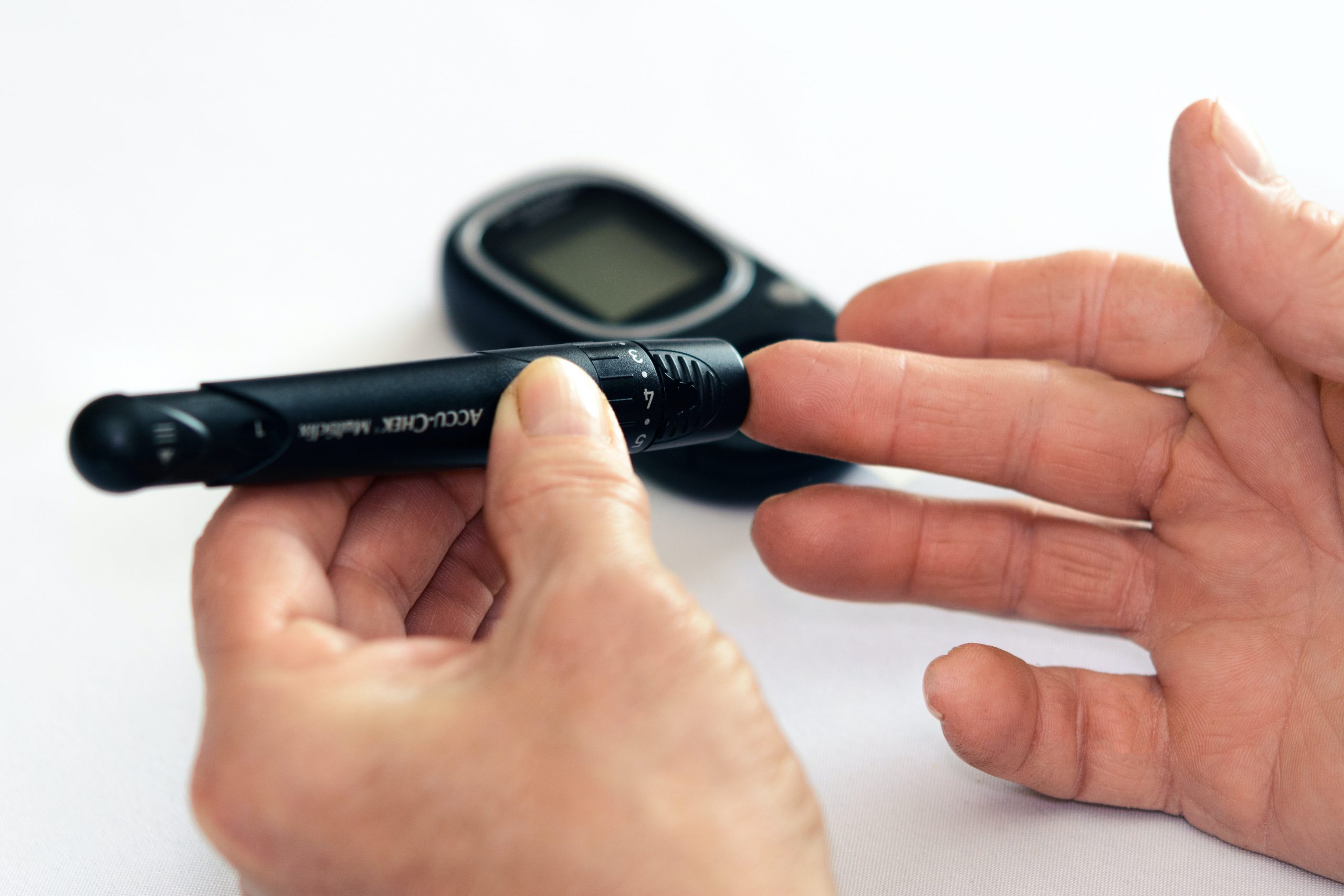
This situation is not only about treating people but more about how to treat people with different conditions that would have a direct or an indirect impact on the health of certain individuals suffering from certain illnesses. In situations as such continuous tracking and monitoring of diabetes must be done more responsibly.
Several recent studies have shown that both patients with type 2 diabetes (T2D) and type 1 diabetes (T1D) have an increased vulnerability to severe illness from COVID-19 compared with people without DM. In relative terms, patients with T1D and those with T2D had similar adjusted odds ratios (ORs) for hospitalization (3.90 for T1D vs. 3.36 for T2D), severity of illness (3.35 vs. 3.42), and in-hospital mortality (3.51 vs. 2.02). Besides, good glycemic control before hospital admission, as indicated by glycated hemoglobin (HbA1c), has not been consistently associated with improved outcomes in patients with DM admitted for COVID-19. Thus, primary prevention remains the mainstay for mitigating the risks associated with COVID-19 in patients with DM.
VH is defined as the “delay in acceptance or refusal of vaccination despite availability of vaccination services” and includes all the negative attitudes toward vaccination, from utter opposition to reluctance. This phenomenon has progressively and significantly increased in the last decade, with tangible effects on vaccine acceptance rates, that have prompted the World Health Organization (WHO) to list VH among world major health. Vaccines 2021.
Indeed, type 2 diabetes has been proven to be—together with cardiovascular diseases and overweight—one of the major risk factors associated with severe complications and worse prognosis, with an estimated case-fatality rate of 7.3% vs. 2.3% in the nondiabetic population of COVID-19 confirmed cases.
Although the exact mechanisms responsible for the increased vulnerability of diabetic patients to SARS-CoV-2 infection remain to be explained, great efforts are being done to ensure the widest vaccine coverage in these patients in the shortest possible time.
Are the vaccines safe?
We know that some people may still be worried about how quickly the vaccines are being developed. But this has been possible because scientists, governments, and industry all around the world have focused their attention on this one shared goal.
All the vaccine trials have included the usual number of participants and no stages of development and testing have been rushed or skipped. The joint worldwide effort to find a vaccine has allowed for funding and approval processes to be fast-tracked, and manufacturing to begin early. This, alongside using existing technologies in the vaccine development, is why they have been developed quicker than usual.
The MHRA will also continue to monitor the vaccines over time and make sure vaccinations follow a very high standard. And it’s also useful to know that the vaccines have been tested in men and women of different ages and ethnicities, with a range of health conditions – including diabetes.
We know from previous research that the immune response to fighting coronavirus in people with diabetes is no different to people who don’t have diabetes. So, there’s no evidence to suggest that the vaccine will work less well in people with diabetes.
Conclusion:
There is still research that needs to be conducted on this end and considering the massive amount of increase in the patients it is only safe to say that vaccines need to be available before any such research is conducted.
In addition to the above there is some evidence showing that this could be true but then again, the real question changes to the situation that vaccine still needs to be produced and should be given to the people without diabetes
This has resulted in a premature debate in the international community that people should be treated differently and should be considered as special cases (it would be completely wrong to ignore them).
Finally, the pandemic has engulfed the world in a way that being specific about who to treat and how to treat is going to be one more complication on an already complicated problem. It is difficult to get this done either way. The whole world has seen a change and how do we overcome adversity and work under these tough times.
Our decisions today will have an impact on the future that is to be and the future that could have been. So we need to make sure that we are making consciously active decisions in the process of healing the world.
Follow Canada News Media
Get the day's top Canadian stories and our two daily 60-second news videos wherever you scroll.