



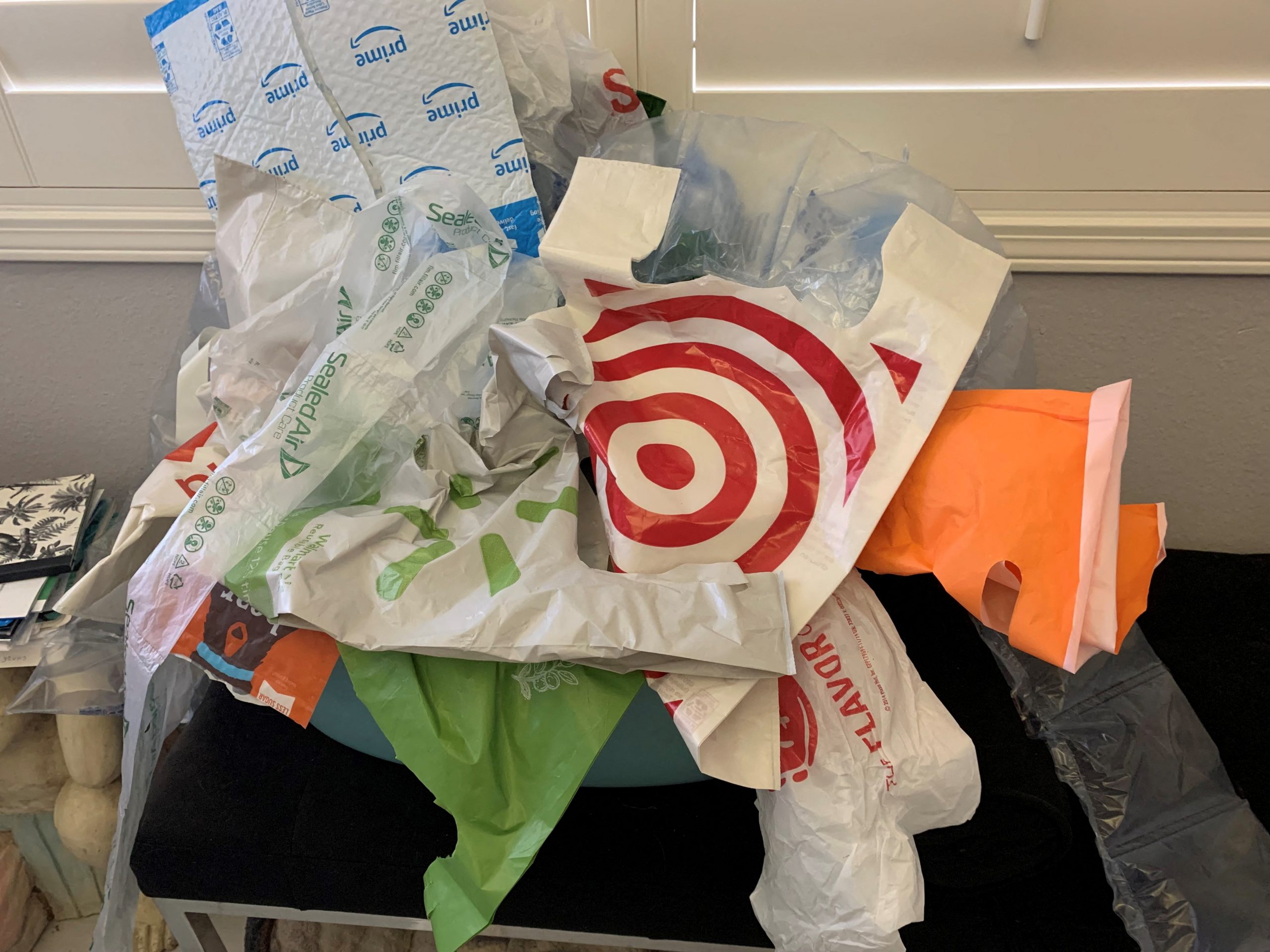
Ditch the Disposables (Plastic use).
Since 1950, the world has produced 9.2 tonnes of plastic, of which only 10% has been recycled. Did you know? that a single-use bag is used for only 12 minutes? Here are some small actions we can do that could add up to huge results.
There are many ways to reduce the use of disposable items:
Bring your own reusable mugs( many coffee shops offer discounts when you bring in your own mug).
Bring your own bags shopping.
Refuse single-use plastics like straws and utensils.
Use reusable alternatives like beeswax wraps and containers for food storage.
Swap, Share, and Repair
In today’s society products are short-lived and disposable. Sharing and repairing are some of the best ways to reduce household waste and money.
There are many actions we can take to extend a product’s lifespan.
Shop at thrift stores.
Borrow or rent instead of buying new, especially for a tool or appliance that you can only use occasionally.
Use the library system to borrow or download your next read.
Sell or give away items you no longer use.
Learn how to make basic repairs. Local repair groups are a great resource.
Get to know your local repair shops. Always go local.
Food-Just Eat In.
Did you know that 1/4 of the food the average household buys is thrown out, and half of that food is edible? The average Canadian household spends $1,766.00 on food that is wasted over a year and that costs the Canadian economy$49 billion annually.
What to do?
Make a meal plan.
Make a grocery list and stick to it.
Practice first in, first out positioning new products behind older ones.
Get creative with leftovers.
Understand best before dates and store food properly.
Participate in The Circular Economy.
A circular economy means moving towards a system of production and consumption that involves reusing, sharing, leasing, repairing, refurbishing, and recycling materials and products as long as possible.
Above all else, put pressure upon corporations that make your favorite products and products that you consume daily. You must demand better, longer-lasting, and longer-lasting products. Better ways to package items, and always buy locally, as it guarantees freshness and accountability. If you are not satisfied with a product, it is easier to communicate with a local firm other than one a world away.
Buying Locally is a democratic process we can all enjoy.
Saving our world, increasing local employment, and saving money all lie within our personal preview.
I know the holidays are upon us, but there is a point when we will need to stand firm against the wasteful economic system we live within. Waste not – Want not. Buy what you need, and not what corporate Canada tells you to buy.
We are the sum total of the choices we have made. it was true in Eleanor’s time and also in ours. We get the society we have made. Do you want your children to have a bright future? Make changes today.
Steven Kaszab
Bradford, Ontario
Follow Canada News Media
Get the day's top Canadian stories and our two daily 60-second news videos wherever you scroll.
X Threads Facebook Instagram LinkedIn TikTok YouTube Pinterest Reddit Substack Flipboard Newsletter RSS