




In a nation characterized by its diverse landscape and multifaceted social fabric, political debates serve as an essential platform for the exchange of ideas. The most recent political debates in Canada have been no exception, illuminating the critical issues at the forefront of the Canadian psyche as the country moves toward the next federal election. These debates have not only showcased the personalities of the leaders but have also highlighted the significant differences in their policies, philosophies, and visions for the future.
The Setting
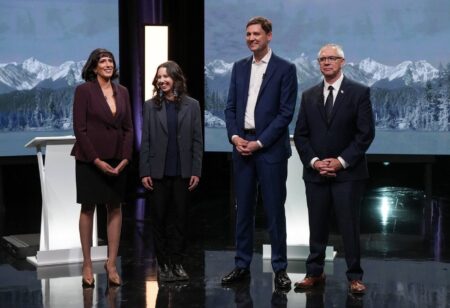
Staged against the backdrop of ongoing economic uncertainty, climate change, and social justice issues, the debates drew millions of viewers both online and on television. Organized by major news networks, the contentious discussions featured leaders from Canada’s federal parties: the Liberal Party, the Conservative Party, the New Democratic Party (NDP), and the Bloc Québécois, each vying to capitalize on the vulnerabilities of their opponents.
Key Issues: A Focus on Economic Policies
The debates highlighted a fundamental divide in economic philosophies. The Conservative leader emphasized fiscal responsibility and proposed significant tax cuts, arguing that reducing government intervention would stimulate innovation and job creation. “We believe in a government that breathes less down the neck of entrepreneurs,” he stated during one heated exchange.
In contrast, the Liberal leader touted a more interventionist approach aimed at social equity. “We believe in investing in people, not just profit margins,” she insisted, outlining plans for social programs and increased funding for education and healthcare. The stark differences in their proposals underscored the clash between right and left in Canadian politics, a narrative that resonated with viewers concerned about economic disparity.
Climate Change: Polarized Perspectives
Climate change emerged as another central topic, showcasing the leaders’ divergent approaches to environmental policy. The NDP leader passionately advocated for a Green New Deal, positioning climate action as a non-negotiable priority. “The science is clear,” he called out, “and we owe it to the next generation to act decisively.” His call for comprehensive environmental reforms struck a chord with younger voters, who are increasingly engaged in this vital issue.
The Conservative leader, however, framed climate action within the context of economic prudence, expressing concerns about job losses in traditional industries. “We can’t save the planet and destroy our economy in the process,” he replied, highlighting a fundamental tension between economic growth and environmental responsibility that has pervaded Canadian politics for decades.
Social Justice: A Divisive Topic
As social justice movements gain momentum across the globe, Canada has not remained untouched. The debates saw leaders grappling with the complexities of race relations, gender equity, and Indigenous rights. The Bloc Québécois leader emphasized the importance of Quebec’s distinct cultural identity, navigating the delicate balance between nationalism and inclusivity.
The Liberal leader’s commitment to addressing systemic racism was a focal point, as she addressed the need for comprehensive reforms in policing and social services. This topic drew significant responses from the audience, revealing a growing appetite for substantive discussions around equity and justice. “We must confront uncomfortable truths about our past to build a better future for all Canadians,” she stated, garnering applause and nods from many viewers.
Debate Dynamics: Performance and Persona
While policies were at the forefront, the dynamics of political debates often hinge on performance. Viewers are not just interested in what candidates propose, but also how they connect with the audience. The Conservative leader’s debate style was marked by a combative approach, focusing on attacking his opponents’ record. In contrast, the Liberal leader adopted a more measured tone, often trying to connect personally with voters by sharing relatable stories.
Body language and rapport proved crucial, as the NDP leader often interjected with personal anecdotes that resonated with emotional candor. “These aren’t just statistics; these are real lives,” he asserted while discussing healthcare reform, successfully portraying empathy as a strength.
Public Response: Engaging the Electorate
The impact of these debates rippled beyond immediate viewership ratings. Social media platforms buzzed with real-time commentary, memes, and reactions, making these political conversations accessible to a broader audience. Hashtags like #CanadaDebates trended, capturing the attention of not just engaged citizens but also younger demographics who may be voting for the first time.
Conclusion: The Road Ahead
As Canada approaches the next federal election, the recent debates have set the stage for the political battleground. While the leaders have showcased their visions for the country, it is the electorate that will ultimately decide the direction Canada will take. With issues like economic recoveries, climate action, and social justice at play, voters have a crucial decision to make—one that could shape the nation’s identity for years to come. The clash of ideas observed in the debates serves as a reflective microcosm of the conversations that will undoubtedly continue to unfold in Canadian society.
Related Products
Follow Canada News Media
Get the day's top Canadian stories and our two daily 60-second news videos wherever you scroll.
X Threads Facebook Instagram LinkedIn TikTok YouTube Pinterest Reddit Substack Flipboard Newsletter RSS