





As the planet grapples with the escalating impacts of climate change, Canada’s economy finds itself at a crossroads. With its vast natural resources, a traditionally resource-dependent economy, and commitment to environmental targets, Canada faces unique challenges and significant opportunities in the years ahead. This article explores how climate change is influencing the Canadian economy, the financial implications for the future, and the steps being taken to secure a sustainable economic path.
The Cost of Inaction
According to a report from the National Round Table on the Environment and the Economy, the economic costs of climate change in Canada could reach $21 to $43 billion annually by 2050 if significant action is not taken. This projection accounts for infrastructure damage from extreme weather events, rising health care costs from pollution-related illnesses, and losses in agriculture due to shifting climate patterns. Such numbers underscore the critical importance of proactive measures to mitigate climate risks.
Key Sectors Affected
Canada’s economy is heavily reliant on several sectors that are directly impacted by climate change: agriculture, forestry, and energy. Each of these sectors faces distinct climate-related challenges, yet also stand to gain from a transition toward a low-carbon economy.
Agriculture
The agriculture sector, a cornerstone of Canada’s economy, is particularly vulnerable to climate variability. Farmers have already reported experiencing altered growing seasons and reduced crop yields due to the increased frequency of droughts and floods. For instance, the Canadian Federation of Agriculture has indicated that by 2050, agricultural productivity could decline significantly if climate adaptation strategies are not employed. However, innovation in sustainable farming practices, biotechnology, and water management may help to alleviate some of these challenges.
Forestry
Forests, which cover about 40% of Canada’s land area, are facing increased threats from pests, wildfires, and changes in forest composition due to climate change. The Canadian Forest Service has noted that forest fires in British Columbia alone cost the economy approximately $1 billion in 2017. Yet, with a shift toward sustainable forestry and the adoption of carbon capture techniques, the forestry sector can contribute positively to both the economy and climate change mitigation efforts.
Energy
Canada is one of the largest producers of fossil fuels, but the global shift toward renewable energy presents both risk and opportunity. With increasing investments in wind, solar, and hydroelectric power, the energy sector is poised for transformation. The International Energy Agency projects that Canada could lead the way in the global transition to clean energy, creating jobs and driving economic growth in the renewable energy sector. However, balancing the needs of traditional energy industries with emerging sectors remains crucial.
The Role of Policy and Investment
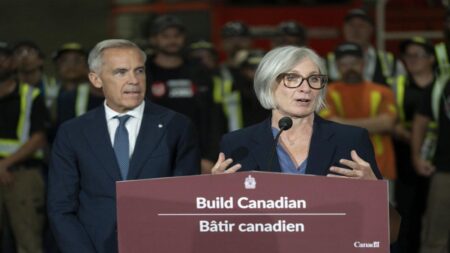
Government policy plays an essential role in guiding Canada’s economic response to climate change. The Canada Greenhouse Gas Emissions Report outlines the federal government’s commitment to reduce emissions by 40-45% below 2005 levels by 2030. Initiatives such as the carbon pricing framework are aimed at incentivizing industries to reduce their Carbon Footprint, signaling a shift towards sustainable practices. Furthermore, investments in green technologies and infrastructure are beginning to take shape, with financial commitments from both public and private sectors.
Investing in the Green Economy
Transitioning to a green economy is expected to yield substantial financial benefits. A report by Ecofiscal Commission indicates that for every dollar invested in clean energy, Canada could see a return of up to $3 in economic growth. The growing market for green technologies, sustainable agriculture, and renewable energy is expected to create an estimated 300,000 new jobs over the next decade, fostering a workforce ready for a low-carbon future.
Challenges and Opportunities Ahead
Despite the opportunities, significant challenges remain. The recent IPCC report emphasizes that without immediate and sustained action, the impacts of climate change will be relentless and costly. The question of how Canada will balance its economic goals with urgent climate action continues to be a contentious debate. Critics argue that the reliance on fossil fuel exports undermines the country’s credibility regarding climate commitments.
Another concern is the economic disparity that may arise from the shift to a green economy. Regions heavily reliant on fossil fuel production may face job losses without existing plans for retraining workers or transitioning local economies. As a solution, experts advocate for a just transition approach that includes supportive policies for affected communities.
Conclusion
As Canada maneuvers through the complexities of climate change and economic sustainability, it stands at a pivotal moment where decisive action can lead to robust economic resilience. The next decade will be critical, with the government, industries, and citizens all having a role to play in forging a sustainable financial future. Through innovative approaches and commitment to climate action, Canada has the potential to emerge as a leader in the global green economy while ensuring economic stability for generations to come.
Related Products
Follow Canada News Media
Get the day's top Canadian stories and our two daily 60-second news videos wherever you scroll.
X Threads Facebook Instagram LinkedIn TikTok YouTube Pinterest Reddit Substack Flipboard Newsletter RSS