



Advertisement
Dr. Tom Price, former U.S. Secretary of HHS, writes for Fox News and divides his analysis of the 2019 Coronavirus novel (2019-nCoV) into the good (e.g., location of the source) that bad (a vaccine is not) available for many months), and the ugly (China):
The good
Advertisement
To date, there have been only eight cases of infection with this new virus in the United States. It seems that all but one occurred in people who had traveled to Wuhan, China before entering the state and therefore contracted an illness outside of our borders. The spouse of one of these patients – who had not traveled to China – became ill with the disease, which is evidence of human-to-human transmission. This is a matter of greatest concern. However, it seems that close contact with an infected person is required to infect themselves.
, , ,
The bad
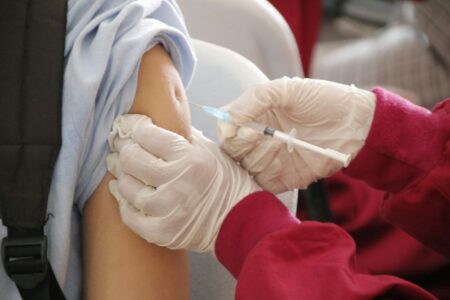
Since viruses cannot be treated with antibiotics, the care of the infected is primarily supportive. Treatment is to relieve symptoms with fluids, antivirals, and medications for fever and pain. A vaccine is the best form of treatment to stop the spread and prevent the occurrence or spread of a large number of infections. With a new virus, however, it takes time to develop a safe and effective vaccine. The 2019-nCoV gene sequence was determined very quickly, and the CDC has made this information available to everyone so that manufacturers can work on the development of this new vaccine as soon as possible. It is likely that we will have this protection at the earliest in late summer or autumn.
The ugly
, , ,
However, China is China. If the past is a prologue, there is little confidence that China will provide all the information it needs, especially the number of cases and deaths. There are reports of thousands of deaths in China that have not yet been reported to the international health community. Bugs are smart and have no respect for international or geographic borders. It is for this very reason that complete openness and disclosure of information is essential for an appropriate response and the closure of this epidemic.
Read the rest of the article here.
Advertisement

Follow Canada News Media
Get the day's top Canadian stories and our two daily 60-second news videos wherever you scroll.
X Threads Facebook Instagram LinkedIn TikTok YouTube Pinterest Reddit Substack Flipboard Newsletter RSS