


The latest:
Cases of COVID-19 continue to surge in communities across Canada, with Ontario recording its biggest single-day increase on Saturday.
Ontario reported 978 more cases of COVID-19, with nearly 44,200 tests completed, two weeks after the Thanksgiving holiday weekend.
Saturday’s count of new cases surpassed the previous high of 939, reported on Oct. 9.
Locally, there are 348 new cases in Toronto, 170 in Peel Region, 141 in York Region, 89 in Ottawa and 51 in Durham Region.
Ontario reported 826 new cases of COVID-19 on Friday and nine new deaths linked to the virus.
Quebec on Saturday reported 1,009 new cases and 26 more deaths, after recording 905 new COVID-19 cases and 12 deaths the previous day.
As of Friday, there were 540 people in hospital, including 99 in intensive care. In its latest projections, the province’s national health institute said hospitals will not reach full capacity in the next four weeks due to the rate of transmission having stabilized in recent days.
WATCH | COVID-19 cases threaten to overwhelm Canadian hospitals, doctor says

CBC medical contributor Dr. Peter Lin stresses the need to make sure hospitals are equipped to deal with the resurgence in coronavirus cases. 8:42
Premier François Legault has said it’s likely the province will have to maintain many public health restrictions currently in place in red zones past Oct. 28, including keeping restaurants and bars closed.
Dr. Theresa Tam, Canada’s chief public health officer, issued a statement on Saturday reiterating her warning from the previous day that the number of people “experiencing severe illness” due to the pandemic continues to rise.
“As hospitalisations and deaths tend to lag behind increased disease activity by one to several weeks, the concern is that we have yet to see the extent of severe impacts associated with the ongoing increase in COVID-19 disease activity,” Tam said.
“As well, influenza and respiratory infections typically increase during the fall and winter, placing increased demands on hospitals. This is why it is so important for people of all ages to maintain public health practices that keep respiratory infection rates low.”
WATCH | Reduce gatherings even more, health experts urge:
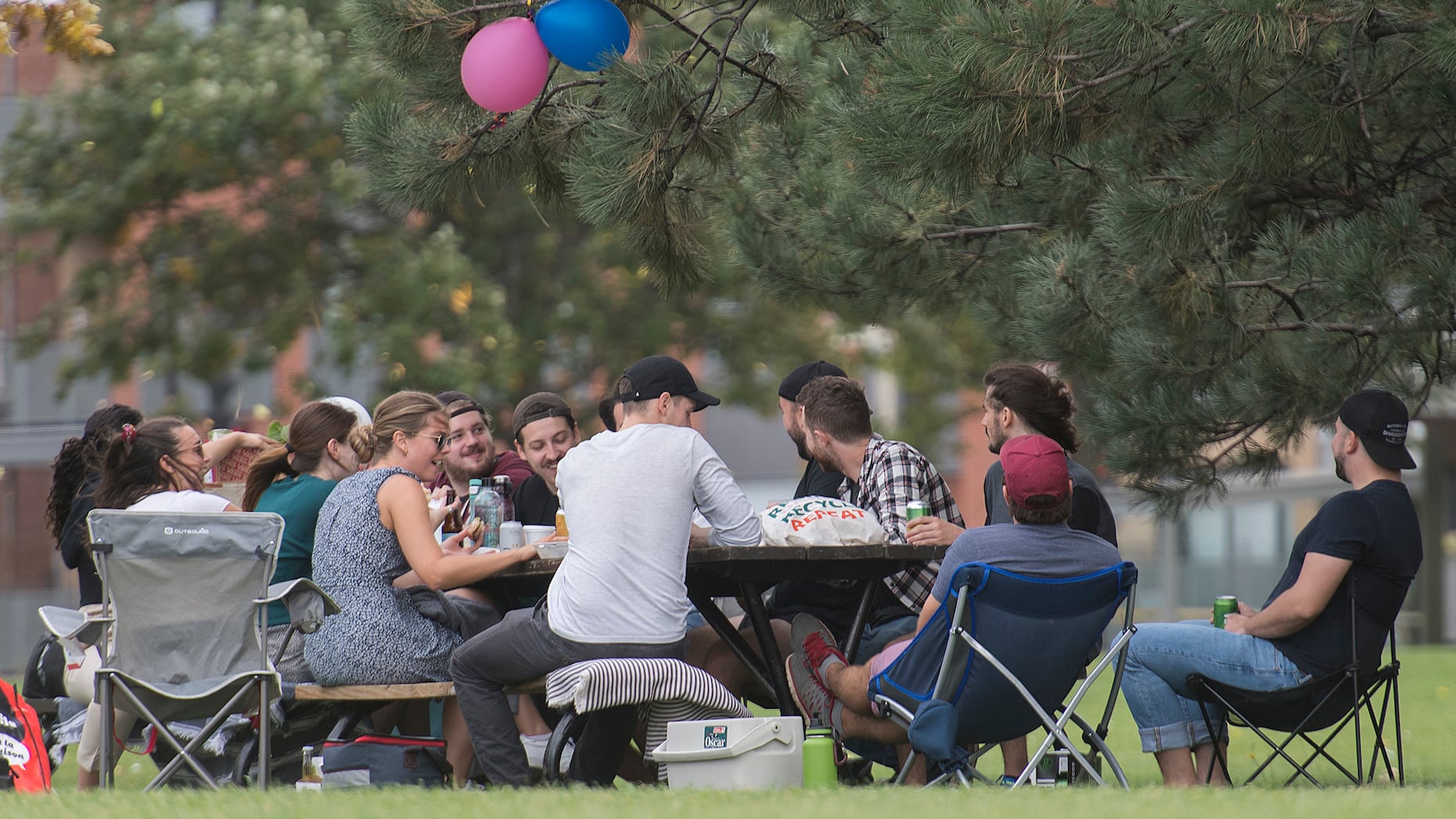
British Columbia’s Provincial Health Officer Dr. Bonnie Henry expressed concerns around the spread of COVID-19 at social gatherings, something that infectious diseases specialist Dr. Sumon Chakrabarti says is being seen across the country. 1:54
“Over the past seven days, there was an average of just over 1,000 individuals with COVID-19 treated in Canadian hospitals, including over 200 in critical care,” Tam said.
Cases of COVID-19 continue to surge in communities across Canada, with Ontario and Quebec remaining the hardest-hit provinces; however, other provinces are seeing record increases.
Alberta reached the grim figure of 300 COVID-19 deaths on Friday while setting records yet again for new cases and active cases.
The province reported 432 new cases and 3,651 active cases, the third straight day records were set.
Fifty inmates and five staff members at the Calgary Correctional Centre have tested positive for the infection, according to a statement from Alberta Health Services.
All inmates and staff are being tested, and isolation and monitoring of the positive cases are underway. Contact tracing for anyone potentially exposed to these individuals is ongoing.
What’s happening elsewhere in Canada
As of 12:50 p.m. ET on Saturday, Canada had 212,750 confirmed or presumptive coronavirus cases. Provinces and territories listed 179,537 of those as recovered or resolved. A CBC News tally of deaths based on provincial reports, regional health information and CBC’s reporting rose to 9,920.
Prime Minister Justin Trudeau updated Canadians on vaccine development Friday — a day after Canada tallied a record high of new cases in a single day at 2,788 — saying the federal government is spending $214 million toward the development of COVID-19 vaccines, signing deals with two Canadian biotech firms.
Trudeau warned it’s unlikely that any of these candidates will be ready to distribute to Canadians this year or early next year. It’s reasonable to expect that vaccines will start to roll out at some point in 2021, he said, but even then, supply will be limited, and high-risk populations will be prioritized for inoculation.
Trudeau said his government signed a $173 million contract with Quebec’s Medicago to secure the rights to buy 76 million doses of its vaccine, should it meet health and safety standards. The funding will also be used to establish a production facility in Quebec City, he said.
Ottawa is also investing $18.2 million in a potential vaccine from British Columbia’s Precision NanoSystems. Meanwhile, the National Research Council is spending $23 million to support other Canadian vaccine initiatives, Trudeau said.
WATCH | Study casts doubt on use of convalescent plasma for COVID-19 treatment:
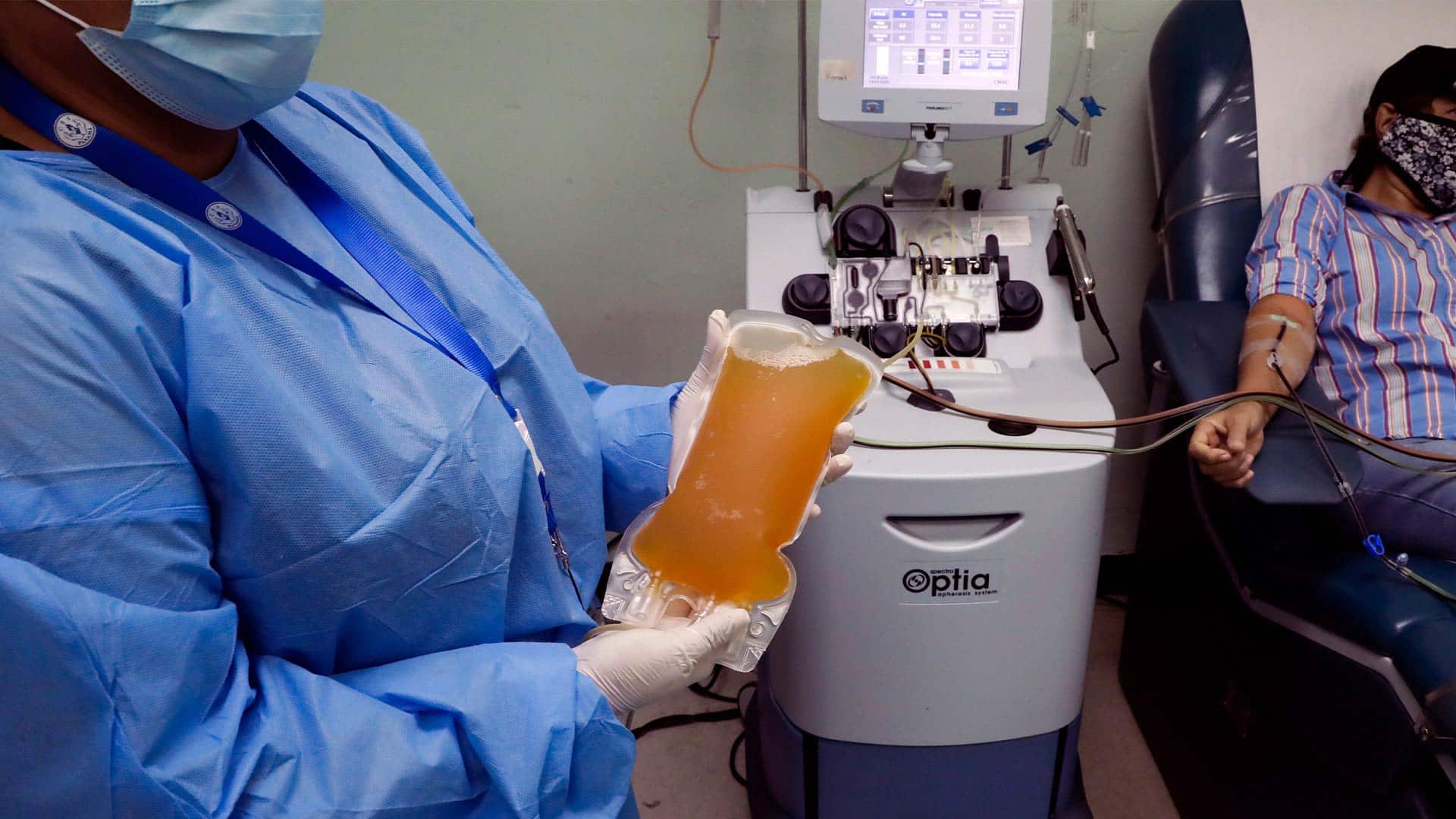
An Indian study is casting doubt on the effectiveness of giving patients sick with COVID-19 the blood plasma of others who have battled it, to transfer antibodies. But Canadian researchers say it could still work, if the antibody levels are tested. 3:27
The prime minister said Canada has signed six agreements with a number of companies taking part in the global race to produce a safe and effective vaccine for COVID-19 .
Two more American vaccine makers, Moderna and Pfizer, have asked Health Canada to review their products, which are undergoing clinical trials.
In British Columbia, health officials announced 223 new cases of COVID-19 on Friday. Seventy-five people are in hospital, with 24 in intensive care.
Yukon‘s chief medical officer of health, Dr. Brendan Hanley, has reported three new cases in Watson Lake, which he says are part of a “family cluster.” They hadn’t travelled outside Yukon, so it’s not known yet where they contracted the virus.
WATCH | Manitoba’s top doctor on the increasing community spread of COVID-19:
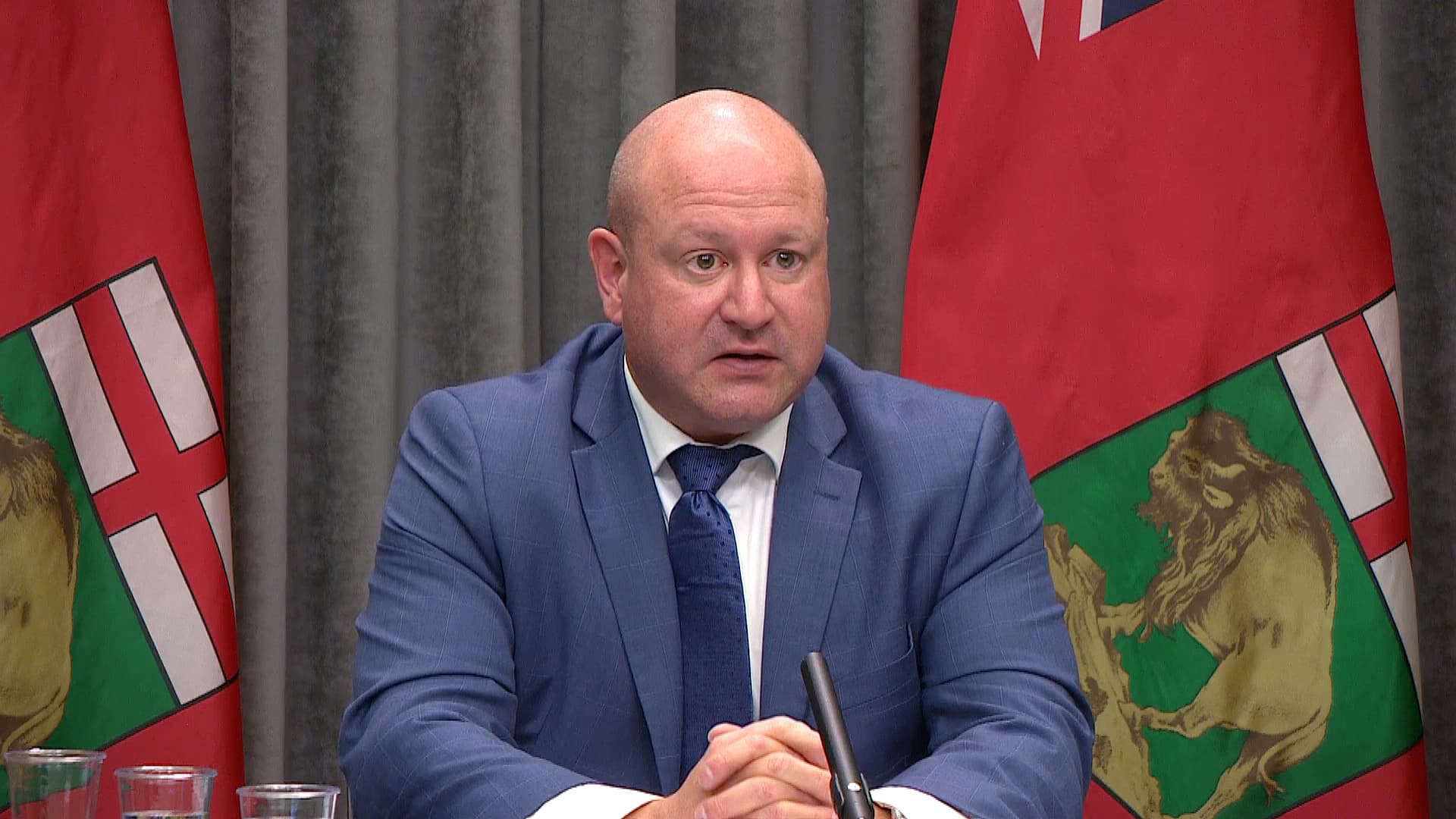
Dr. Brent Roussin, Manitoba’s chief public health officer, explains why increasing community spread of COVID-19 makes targeted approaches to control the illness less effective. 0:48
Manitoba reported a total of 163 new infections on Friday, most concentrated in Winnipeg. The province also said a man in his 80s is the latest death linked to an outbreak at Winnipeg’s personal care home Parkview Place, where 15 residents have died of the illness.
The province has announced new rules for northern Manitoba and schools in both the Winnipeg area and the north. Those measures will take effect on Monday.
Nova Scotia reported no new cases of COVID-19 on Friday, a day after the province warned residents against unnecessary travel to the Campbellton-Restigouche area of New Brunswick due to a COVID-19 outbreak.
The recommendation came after New Brunswick announced new restrictions for the Campbellton region, almost two weeks after it was pushed back to the orange phase of recovery. While Zone 5 will remain in the orange stage, people will be limited to interacting with a single household bubble, N.B. Chief Medical Officer of Health Dr. Jennifer Russell said.
New Brunswick announced two new COVID-19 cases on Saturday, in addition to two new cases on Friday. That brings the total number of cases the province has recorded to 326, with four deaths.
Newfoundland and Labrador reported one new confirmed case of COVID-19 on Saturday, a man from the Eastern Health region in his 50s who had returned home to the province after working in Alberta.
Out of an abundance of caution, the province’s Health Department is asking passengers who travelled on Air Canada Flight 690 from Toronto to St. John’s last Tuesday to arrange for COVID-19 testing.
What’s happening around the world
According to Johns Hopkins University in Baltimore, the global total of confirmed coronavirus cases stands at more than 42.2 million. More than 1.1 million people have died, while more than 28.5 million have recovered.
In Europe, Polish President Andrzej Duda has tested positive for coronavirus, his spokesperson says. Duda’s diagnosis comes amid a huge surge in the number of confirmed cases of COVID-19 and deaths in Poland, pushing the country’s strained health system to the breaking point. The government is preparing to open field hospitals, but it is not sure where it will find the doctors and nurses to staff them.
In the Americas, the U.S. hit a daily record of coronavirus cases on Friday with more than 84,000 reported infections, thousands more than the previous peak in July. The numbers are an ominous sign the disease still has a firm grip on the nation that has more confirmed virus-related deaths and infections than any other in the world. Many states are reporting a surge of cases and say hospitals are running out of space in areas where the pandemic seemed remote only months ago.

In Asia, authorities in Sri Lanka closed at least two fishery harbours and many stalls after a surge of 609 cases linked to the country’s main fish market. Authorities say the outbreak is related to a cluster in a garment factory early this month, which has grown to 3,426 cases, almost half the country’s total of 6,287. Several thousand people have been asked to quarantine at home.
In Africa, the Ethiopian attorney general’s office said authorities can jail people for up to two years if they deliberately violate restrictions amid concerns that citizens are becoming lax after a state of emergency was lifted. The country has seen more than 91,000 cases and more than 1,300 deaths.
Have a coronavirus question or news tip for CBC News? Email us at [email protected]