


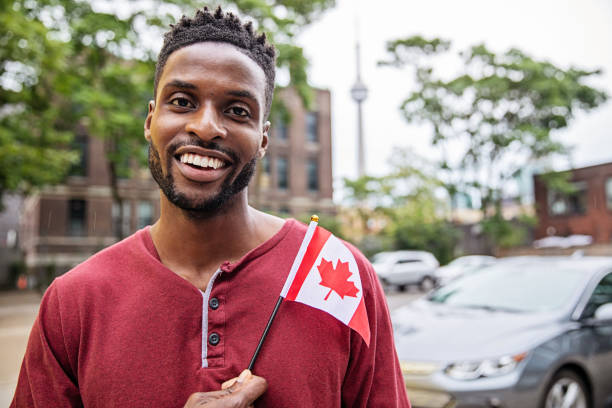
In the intricate tapestry of Canadian society, Black Canadians often find themselves navigating through a maze of stereotypes and misunderstandings. These misconceptions, rooted in historical biases and perpetuated by media narratives, create barriers to genuine understanding. This exploration aims to shed light on the stereotypes that have long shadowed Black Canadians and advocates for a more nuanced and empathetic perspective.
Stereotypes: Unpacking the Baggage
- The Monolith Myth: The Monolith Myth is a pervasive stereotype that treats the Black community as a singular, homogeneous entity, overlooking the rich diversity that exists within. This oversimplification assumes a uniformity of experiences, cultural backgrounds, and aspirations among Black individuals. In reality, the Black community is incredibly diverse, with members hailing from various countries, cultures, religions, and socio-economic backgrounds.Cultural Diversity Ignored:
- Reality: The Black community is not a monolithic entity with uniform cultural practices. It encompasses a multitude of traditions, languages, and customs, reflecting the rich tapestry of the African diaspora.
- Myth Impact: The Monolith Myth ignores this cultural diversity, perpetuating the misconception that all Black individuals share identical cultural characteristics.
- Individual Experiences Oversimplified:
- Reality: Each person, regardless of their racial background, has unique experiences shaped by various factors such as family, education, and socio-economic status.
- Myth Impact: The Monolith Myth oversimplifies the experiences of Black individuals, neglecting the nuanced narratives and challenges that vary widely within the community.
- Complex Identities Reduced:
- Reality: Black individuals, like anyone else, have multifaceted identities that go beyond their race. These identities may include nationality, gender, religion, and more.
- Myth Impact: The Monolith Myth reduces complex identities to a singular, often stereotypical, dimension, preventing a full understanding of the diverse identities within the Black community.
- Criminalization and Racial Profiling: Black Canadians often face the unjust stereotype of being associated with criminality. Racial profiling, both institutional and societal, perpetuates these harmful stereotypes, leading to biased policing and systemic discrimination. The unjust stereotype of associating Black Canadians with criminality is deeply rooted. It not only perpetuates systemic discrimination but also influences public perception, contributing to biased policing and prejudiced attitudes.Racial profiling, both at institutional and societal levels, amplifies the criminalization stereotype. It leads to unwarranted suspicion, unjust arrests, and systemic inequalities within the justice system.
The criminalization stereotype not only affects individuals but also impacts communities. Unjust profiling fosters a sense of mistrust and fear, hindering positive community-police relationships and perpetuating cycles of systemic discrimination.
Racial Profiling Realities: Racial profiling, both at institutional and societal levels, amplifies the criminalization stereotype. It leads to unwarranted suspicion, unjust arrests, and systemic inequalities within the justice system.
Community Impact: The criminalization stereotype not only affects individuals but also impacts communities. Unjust profiling fosters a sense of mistrust and fear, hindering positive community-police relationships and perpetuating cycles of systemic discrimination.
- Educational Achievement Myths: Stereotypes surrounding academic performance unfairly stereotype Black students as underachievers. This overlooks systemic barriers to quality education and undermines the achievements of many Black Canadians who excel in various fields.Stereotypes surrounding academic achievement create an unfair burden on Black students. The assumption that they are underachievers can exacerbate challenges faced within educational systems that may not be fully equipped to address diverse learning needs.
Achievements Across Fields: Contrary to stereotypes, Black Canadians excel across various educational fields. From science to the arts, many have overcome systemic barriers to achieving academic excellence, challenging the notion that academic success is confined to specific communities.
Representation Matters: Highlighting the achievements of Black scholars, scientists, and intellectuals in various fields is essential. It not only breaks down stereotypes but also provides role models for future generations, showcasing the vast possibilities within the educational landscape.
Stereotypes in Sports: Beyond the Athletic Arena: One prevalent stereotype places Black individuals in the narrow lens of athleticism, assuming a singular prowess in sports. While Black athletes have made significant contributions, this stereotype overlooks the diverse talents and interests within the community.
Cultural Diversity in Athletics: Black athletes come from varied cultural backgrounds, each contributing a unique flavor to the sports landscape. Stereotyping them based solely on physical abilities negates the cultural richness they bring to their respective sports.
Breaking the Mold: Celebrating Black athletes not just for their physical abilities but for their leadership, strategic thinking, and dedication to their craft helps dismantle the stereotype of a monolithic athletic identity.
Misunderstandings about cultural practices and traditions contribute to an environment where Black Canadians may feel isolated or misrepresented. This lack of cultural understanding perpetuates stereotypes and hinders meaningful cross-cultural interactions.
The assumption that all Black Canadians share a uniform economic experience neglects the complexities within the community. Disparities in employment opportunities, income levels, and access to resources are often misunderstood or ignored.
The diversity within the Black community, including variations in immigration experiences, socioeconomic status, and educational backgrounds, is often overlooked. This contributes to a limited and inaccurate understanding of the challenges and successes within the community.
Real Voices: Stories Beyond Stereotypes
“I’m not a stereotype; I’m a multifaceted individual with dreams, talents, and a unique story. The world needs to see us beyond the narrow lens of preconceived notions.”
— Keisha, a Black professional
“Stereotypes only serve to limit our potential. It’s time to break free from these chains and recognize the richness and diversity within the Black community.”
— Jamal, an advocate for social justice
These real voices echo the sentiment that Black Canadians are not defined by stereotypes. Their experiences and aspirations transcend narrow perceptions, urging society to recognize the depth and diversity within the community.
Fostering Understanding: A Call to Action
- Media Literacy Initiatives: Media plays a powerful role in shaping perceptions. Initiatives that promote media literacy can help deconstruct harmful stereotypes and foster a more accurate understanding of the diverse experiences within the Black community.
- Education on Black History and Culture: Integrating comprehensive education on Black history and culture can challenge stereotypes at their roots. It provides context for understanding the richness and resilience of the Black Canadian experience.
- Diverse Representation: Actively promoting diverse representation in various sectors, including media, business, and politics, is instrumental in breaking down stereotypes. Seeing Black individuals in a variety of roles contributes to a more accurate and positive public perception.
Building Bridges, Not Walls
Understanding the multifaceted reality of Black Canadians requires dismantling stereotypes and actively seeking to comprehend the diversity within the community. By challenging assumptions, fostering open dialogue, and promoting initiatives that celebrate the richness of Black identities, Canada can move toward a more inclusive and empathetic society. It’s a collective effort to build bridges of understanding, ensuring that stereotypes give way to a genuine appreciation for the unique stories and contributions of Black Canadians.
Follow Canada News Media
Get the day's top Canadian stories and our two daily 60-second news videos wherever you scroll.
X Threads Facebook Instagram LinkedIn TikTok YouTube Pinterest Reddit Substack Flipboard Newsletter RSS