


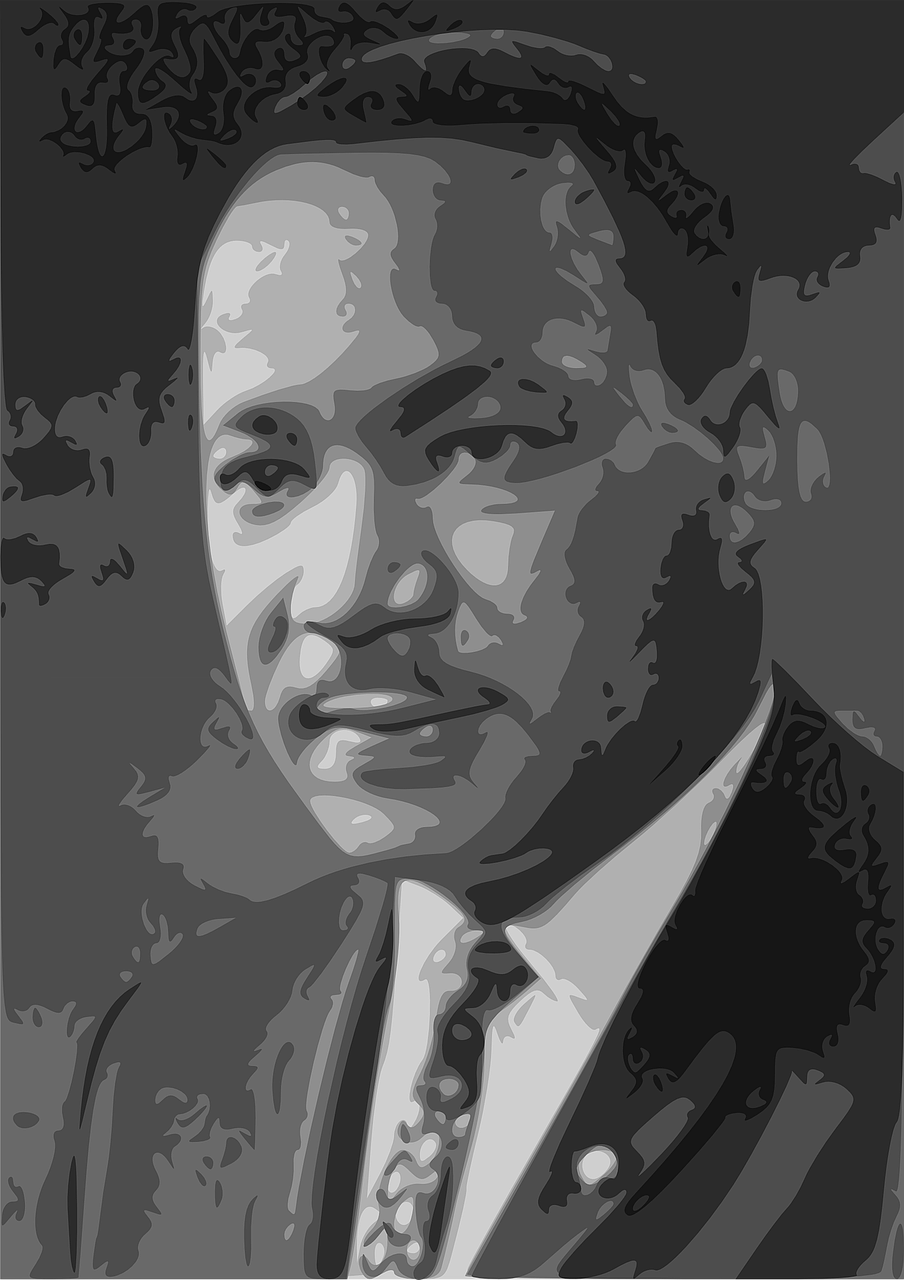
As America honours Dr. Martin Luther King Jr’s legacy today January 16, 2023, Canadians might wonder about the influence Martin Luther King Jr. may have had on Canada. Certainly, his name is recognized by most Canadians, and parts of his famous “I have a dream” speech would also be familiar to many. But what may not be well known is that in 1967, Canada’s centennial year, Martin Luther King Jr. delivered the Canadian Broadcasting Corporation’s annual Massey Lectures.

The Massey Lectures were started in 1961 as an annual series of lectures by leading thinkers, originally broadcast on the CBC radio program Ideas. CBC producers initially planned that for 1967 the prominent lecture series be delivered “by a group of leading Canadian lights reflecting on Canada at 100.”
However, in the summer of 1967, race riots erupted in black neighbourhoods in Detroit and Newark. The immediate cause was police brutality, but the real issues were segregated housing and schools and rising black unemployment. In five days, 43 people were killed (33 blacks and 10 whites) and nearly 1200 injured. In the midst of the “largest urban uprising of the 1960s,” Martin Luther King Jr. called for radical nonviolent social change through mass civil disobedience in Washington, D.C.
Dr. Martin Luther King Jr. Canada powerful oratory, his passion for racial equality, and his commitment to nonviolent action caught the attention of CBC producers in Canada. In a letter dated August 11, 1967 Janet Somerville, the senior producer at Ideas responsible for the lectures, approached King with a request to author and deliver the lectures for that year.
“This summer’s harsh new evidence (on several continents) has made the case for non-violence harder to hear. We need to hear it argued with all the new evidence considered. But this same summer has also begun to demonstrate to everyone the interconnectedness of the problem of violence – world-wide, history-long, bone-and-soul-deep… Anything implied by the question ‘is it human to hope to move forward without violence?’ is relevant to the series we would like to broadcast.”
 The result was a 5-part lecture series entitled “Conscience for Change” which was broadcast in December 1967. In the first four lectures, King explored the impasse of race relations, the effect of the Vietnam War on the social fabric of the US, youth and social action, and nonviolence and social change. The final lecture was a Christmas sermon on peace delivered in Ebenezer Baptist Church in Atlanta, Georgia and broadcast by CBC on Christmas Eve 1967.
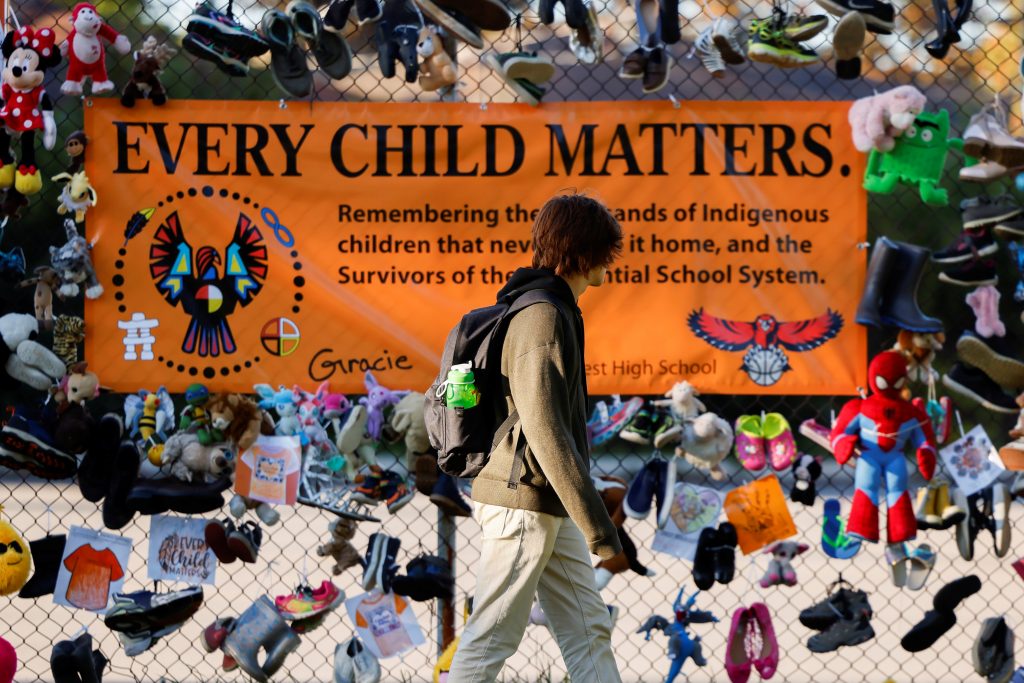
While King’s call for nonviolent social change stemmed from events and experiences in the US, it was relevant beyond those borders. Canadian cities weren’t suffering violent riots, but Canada too possessed economic and social inequity and racial and ethnic tension. The growing demand of Indigenous people for the dismantling of racist systems of oppression put Canadians on notice. Social change was certainly needed here as well.
King’s challenge to remember our human inter-connectedness, both nationally and globally, and to work for change through nonviolent means is worth hearing again as we celebrate his life on the 50th anniversary of his death.
As King boldly stated at the end of lecture three, “If the anger of the peoples of the world at the injustice of things is to be channeled into a revolution of love and creativity, we must begin now to work, urgently, with all the peoples, to shape a new world.“[i]
Follow Canada News Media
Get the day's top Canadian stories and our two daily 60-second news videos wherever you scroll.
X Threads Facebook Instagram LinkedIn TikTok YouTube Pinterest Reddit Substack Flipboard Newsletter RSS