



Article content continued
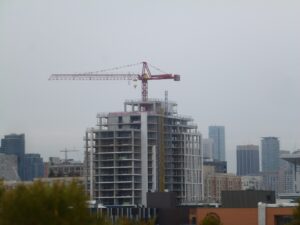
Many groups favour growth through intensification only, arguing this will help the city meet its greenhouse-emissions goals by requiring less driving to and from work and avoiding suburban sprawl. Others say that approach will jack up prices: if you don’t increase the supply of land, housing becomes unaffordable. There are further discussions of what intensification would actually mean – sky-high buildings, of the type Ottawans seem to dislike, or low-rise multi-unit structures and more infill in established neighbourhoods? There is also healthy consideration of “15-minute neighbourhoods,” where people can live within walking distance of the amenities – grocery stores, restaurants, retailers and jobs – that they’d like to access without jumping in a vehicle. Still others wonder whether we should step back and consider what long-range lessons the novel coronavirus holds for planning in general.
These are all essential discussions for a mature metropolis, and anyone listening to the delegations who spoke eloquently on the matter this week would have emerged with fresh ideas to think about.
Too many councillors, however, are unlikely to do that thinking. They’ll line up with their allies, as they did during the unseemly street spat, voting with their buddies instead of their brains. Do better, council. This time it’s the city’s future at stake.

Follow Canada News Media
Get the day's top Canadian stories and our two daily 60-second news videos wherever you scroll.
X Threads Facebook Instagram LinkedIn TikTok YouTube Pinterest Reddit Substack Flipboard Newsletter RSS