

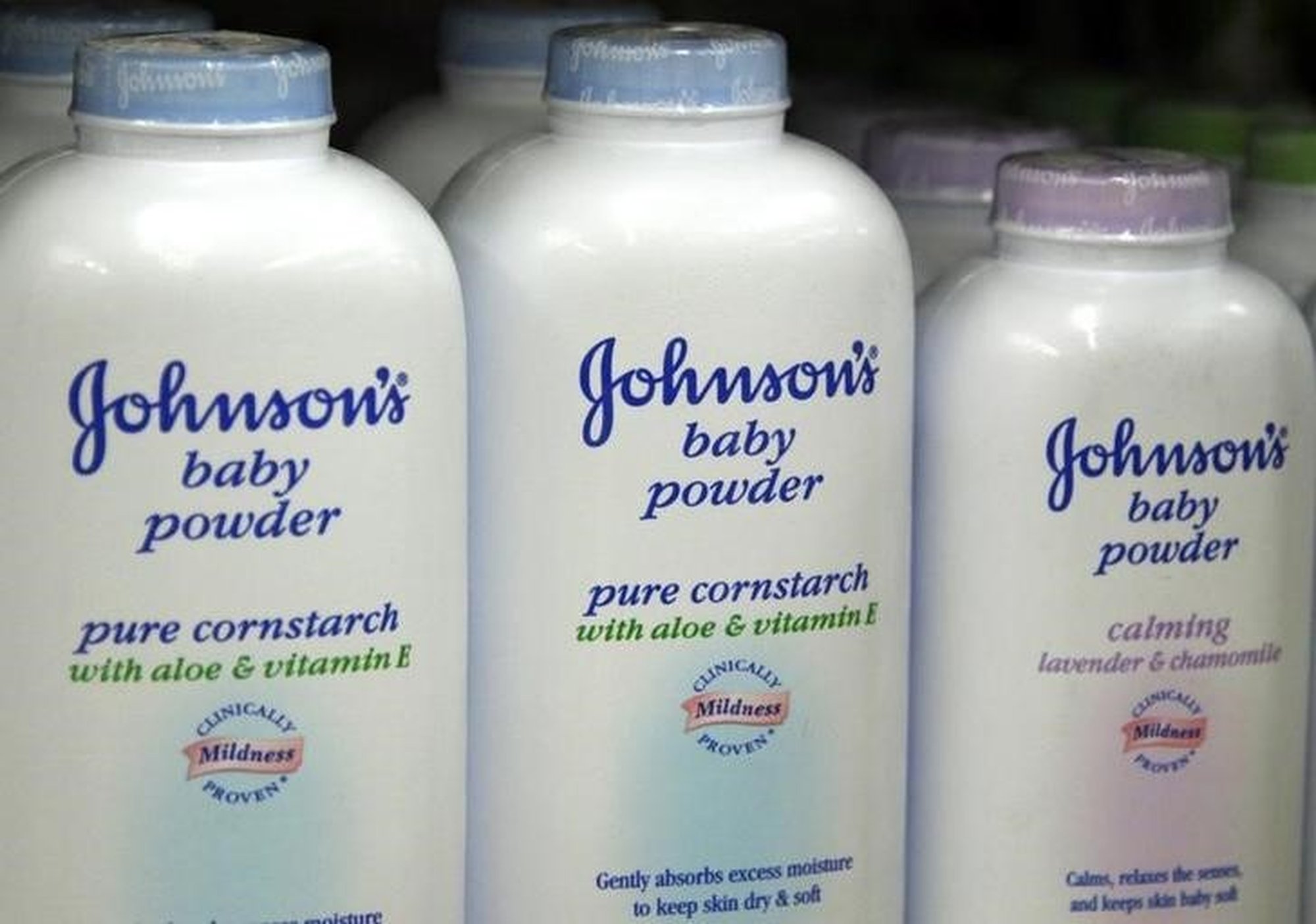
New Brunswick, United States of America (USA)- The global pharmaceutical company, Johnson & Johnson (J&J), has announced it will cease selling its talc-based baby powder globally come 2023.
In 2020, J&J announced that it would stop selling its talc-Baby Powder in the US and Canada because demand had fallen in the wake of what it called misinformation about the product’s safety amid a barrage of legal challenges.
“We continuously evaluate and optimize our portfolio to best position the business for long-term growth. This transition will help simplify our product offerings, deliver sustainable innovation, and meet the needs of our consumers, customers and evolving global trends.
Our position on the safety of our cosmetic talc remains unchanged. We stand firmly behind the decades of independent scientific analysis by medical experts around the world that confirms talc-based Johnson’s Baby Powder is safe, does not contain asbestos, and does not cause cancer.
As part of a worldwide portfolio assessment, we have made the commercial decision to transition to an all-cornstarch-based baby powder portfolio. As a result of this transition, talc-based Johnson’s baby powder will be discontinued globally in 2023,” said J&J in a statement.
Lawsuits have been filed against the company alleging that asbestos in its talcum powder causes cancer. A St. Louis jury delivered a US$4.7 billion verdict against the company in 2018, saying the company was negligent and did not warn consumers about possible health risks from its baby powder.
Ben Whiting, an attorney with the plaintiffs firm Keller Postman, said because the lawsuits are paused in bankruptcy, the company’s sales decision won’t immediately impact them, but if a Federal appellate court allows the cases to move forward, the consumers could try to use the global pharmaceutical company’s decision to pull the products as evidence, “if these cases were to again, then it’s a very big deal.”
Internal company records, trial testimony and other evidence showed that from at least 1971 to the early 2000s, J&J’s raw talc and finished powders sometimes tested positive for small amounts of asbestos.
A handful of talcum powder companies have put warning labels on their products, but J&J argued such a label would be confusing because it stood by its product. Some scientific studies have shown that women have an increased risk of ovarian cancer with talc use in the genital area, but others do not.
Follow Canada News Media
Get the day's top Canadian stories and our two daily 60-second news videos wherever you scroll.
X Threads Facebook Instagram LinkedIn TikTok YouTube Pinterest Reddit Substack Flipboard Newsletter RSS