


By a Concerned Canadian
Date: October 2023
As Canada navigates a post-pandemic recovery in an increasingly volatile global economy, the role of fiscal policy has never been more critical. With inflation still a concern, public debt on the rise, and job markets struggling to stabilize, Canadian citizens are left with pressing questions: What fiscal policies can we expect from the government, and how might these impact long-term economic growth?
The Current State of Canada’s Economy
The Bank of Canada has reported that after experiencing a rebound in 2021, economic growth has started to slow in 2022 and 2023. High inflation rates, exacerbated by global supply chain issues and geopolitical tensions, have put pressure on household finances and dampened consumer spending. As of September 2023, inflation stands at approximately 3.5%, which, while lower than the previous year, remains significantly above the Bank’s target range of 1-3%.
The rise in interest rates, a tool used by the Bank to combat inflation, has made borrowing more expensive, further constraining economic activity in sectors such as housing and consumer goods. Consequently, the government is faced with the dual challenge of fostering growth while keeping inflation at bay.
Understanding Fiscal Policy
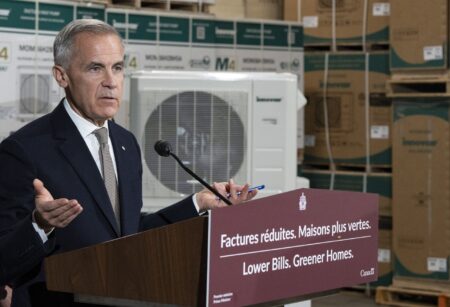
Fiscal policy encompasses government spending and tax policies that shape the economy. The Liberal government, under Prime Minister Justin Trudeau, has largely employed a deficit financing approach, aimed at stimulating growth through increased spending on infrastructure, social services, and green initiatives.
As Canada’s federal debt-to-GDP ratio hovers around 45%, concern over fiscal sustainability is growing; however, many economists argue that investment in critical areas can yield substantial long-term benefits. For instance, Rolling back some pandemic-era spending may be necessary, but strategic investments remain vital for growth.
Government’s Upcoming Fiscal Strategies
The 2023 federal budget, anticipated in November, is likely to prioritize measures aimed at tackling inflation while boosting economic resilience. Policy experts suggest that the government may introduce targeted tax relief for low- and middle-income earners, as well as incentives for businesses investing in green technologies.
Infrastructure spending will likely remain a focal point in the government’s plan. With the infrastructure deficit in Canada estimated to exceed $100 billion, strategic investments in public transportation, affordable housing, and renewable energy could also generate jobs and stimulate local economies.
Moreover, as Canada shifts towards a more sustainable economy, investments in green technology and renewable energy are expected to play a significant role in fiscal policy. In alignment with the global decarbonization strategy, the government aims to foster innovation and create a sustainable job market that benefits all Canadians.
Impact on Canadian Households
With fiscal policies directly influencing households, understanding how they will shape everyday life is crucial. As interest rates rise, many Canadians are feeling the pinch. Mortgages, auto loans, and credit card debt become more burdensome. The government’s approach to managing fiscal pressures will be vital for household stability.
Experts predict that targeted financial relief measures for struggling families, alongside a focus on job creation, will be integral as households adapt to an expensive living environment. Additionally, social support programs aimed at vulnerable populations will likely see reinvestments, bolstered by the need for social equity in economic recovery efforts.
Long-term Economic Growth and Sustainability
The short-term fiscal decisions made now will have lasting implications for growth. Investing in education, health care, and green technology can set the stage for long-term economic sustainability. Economists emphasize that while reducing deficits is important, it should not come at the cost of hindered economic growth or social equity.
The return on investment from a skilled workforce and a robust social safety net may outweigh the immediate benefits of austerity measures. As businesses increasingly face challenges related to climate change and global market disruptions, a forward-thinking fiscal policy will become indispensable for maintaining Canada’s competitive edge.
A Call for Transparency and Accountability
Canadians deserve clarity regarding how fiscal policies will unfold and evolve. Transparent communication from the government about the rationale behind spending decisions and tax adjustments is essential to build public trust. Furthermore, the government should ensure that fiscal measures are inclusive and equitable, addressing the diverse needs of Canada’s population.
As we look ahead, it is imperative for the Canadian government to strike a balance between short-term relief and long-term investment. By adopting a holistic fiscal strategy, characterized by transparency, societal benefit, and sustainability, Canada can navigate these uncertain times and emerge stronger in the years to come.
Related Products
Follow Canada News Media
Get the day's top Canadian stories and our two daily 60-second news videos wherever you scroll.
X Threads Facebook Instagram LinkedIn TikTok YouTube Pinterest Reddit Substack Flipboard Newsletter RSS