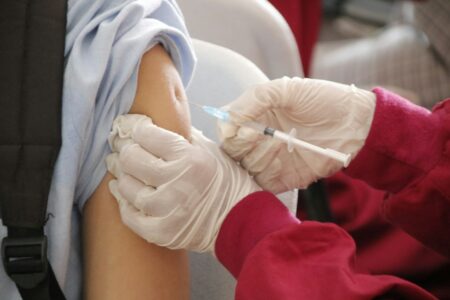




New Brunswick Public Health is reporting a spike in influenza cases in the first week of December, including eight school outbreaks.
In its weekly reporting of respiratory illness released on Tuesday, the province says cases of flu and COVID-19, including hospitalizations, increased in the week of Dec. 2 to Dec. 9.
The biggest change from the week before was a near doubling of flu cases (83 the week before compared to 164) and people admitted to hospital with the flu (15 the week before, compared to 37).
However, a chart provided by the province also showed that influenza is tracking within the historical average in New Brunswick for this time of year.
When it comes to COVID, confirmed lab cases crept up from 138 to 167, and hospitalizations from 51 to 73. There were two deaths caused by COVID (a stable number, as two people died from COVID the week before). Flu caused no deaths.
New Brunswick’s COVID death rate since the removal of pandemic restrictions in March 2022 is appallingly high.
Megan Mitton
However, outbreaks have also spiked. COVID outbreaks went from 13 to 27 (affecting six nursing homes and other institutions). The week before there were no flu outbreaks, whereas eight schools reported flu outbreaks in the most recent reporting period.
The latest data was issued on the same day Green MLA Megan Mitton called upon the Progressive Conservative government to hold an independent public inquiry into its handling of the COVID-19 pandemic.
“New Brunswick’s COVID death rate since the removal of pandemic restrictions in March 2022 is appallingly high,” said Mitton, referring to recently released Statistics Canada data that New Brunswick’s COVID death rate last year was the highest recorded of any province or territory and higher than most American states.
“We need a full public inquiry to get to the bottom of this and the government’s ongoing handling of COVID-19 over the past four years.”
Auditor General Paul Martin said the provincial government had a good track record during the early stages of the pandemic, but he’s been critical of it for not keeping accurate records of key decision-making. His reports only looked at the period during the two-year provincial state of emergency, which started in March 2020 and expired in March 2022.
“The Auditor General’s review into COVID-19 was limited in its scope, so I didn’t feel I got all of the answers I was looking for,” Mitton said. “A full public inquiry is needed to shine a light on how we went from the lowest COVID death rate in the country to the highest.”
The provincial government didn’t immediately respond for comment.

Follow Canada News Media
Get the day's top Canadian stories and our two daily 60-second news videos wherever you scroll.