


“Adult tyrannosaurs were well-equipped for seizing and killing large prey, like duckbilled dinosaurs and horned dinosaurs. Their skulls and teeth were capable of withstanding the major torsional stresses associated with biting and holding onto large prey,” said François Therrien, dinosaur palaeoecology curator at the Royal Tyrrell Museum in Alberta and co-leader of the study published in the journal Science Advances.
“In contrast, the weaker bites and teeth of young tyrannosaurs were ideal for slashing bites, not holding onto prey. They would have been well-equipped for hunting smaller dinosaur species and young dinosaurs,” Therrien added.
The study indicates that tyrannosaurs occupied different ecological niches during their lifespan: “mesopredators” – mid-size predators – while young, becoming apex predators as adolescents and adults. That means juvenile tyrannosaurs did not compete with their elders for the same prey.
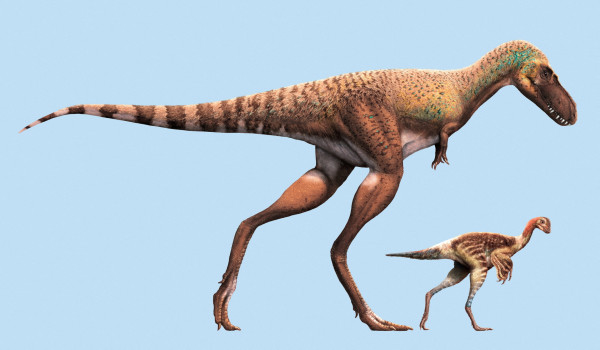
“Young tyrannosaurs had blade-like teeth, lightly built skulls, relatively weak bites, long legs and appeared more ‘athletic’ than adult tyrannosaurs, which were very robustly built, had massive skulls, thicker teeth – often described as ‘killer bananas’ because of their shape – and powerful bites that allowed them to crush bones,” Therrien said.
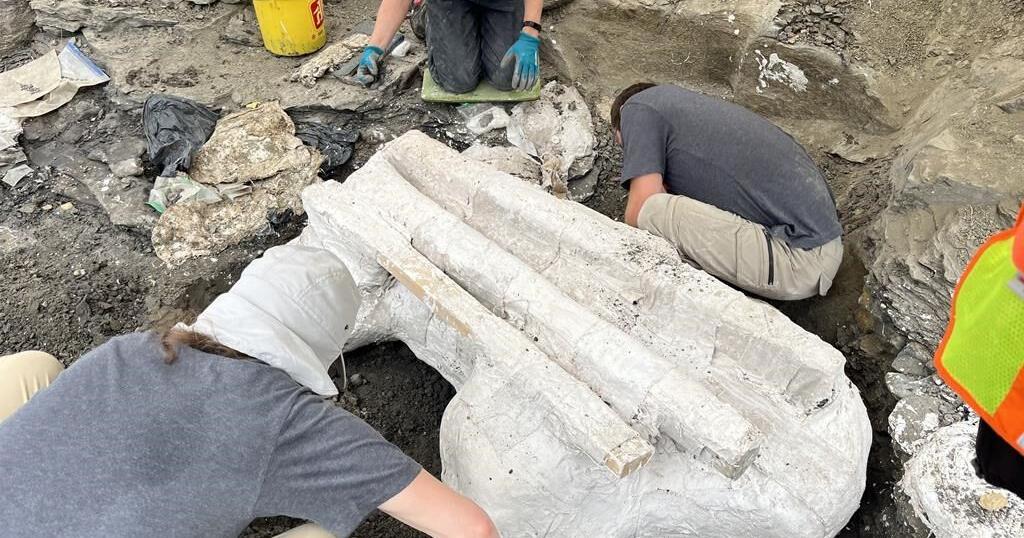
Gorgosaurus, a bit smaller than Tyrannosaurus, ruled its ecosystem. It walked on two legs, had short arms with two-fingered hands, a massive skull three feet (one meter) long, reached 30-33 feet (9-10 meters) in length and weighed 2-3 tons. This juvenile Gorgosaurus weighed about 730 pounds (330 kg), with a skull around 20 inches (50 cm) long.
The fossil was unearthed at Dinosaur Provincial Park in southern Alberta. The region during the Cretaceous Period was a forested coastal plain near the western shore of a vast inland sea that split North America into two halves.