


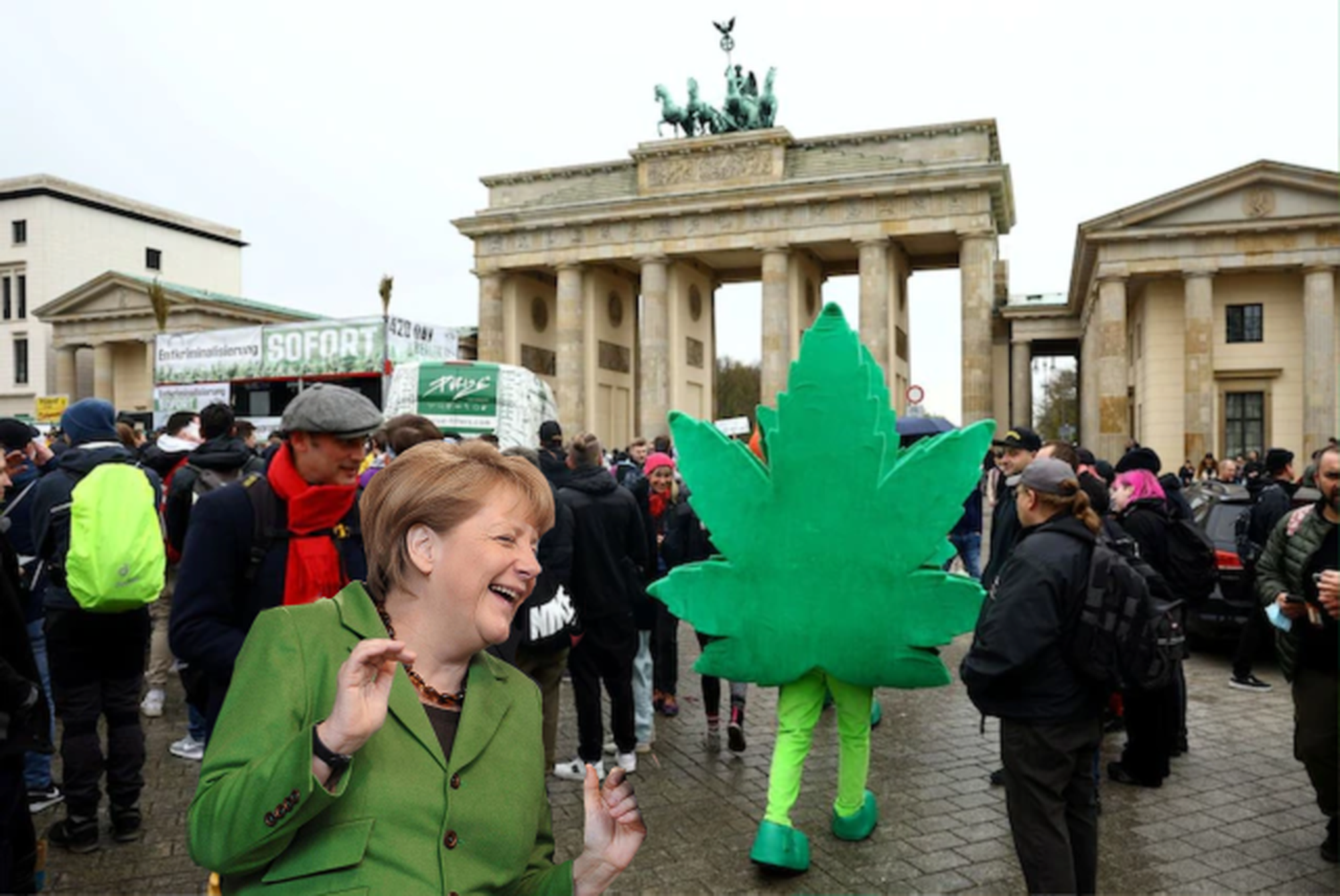
Berlin, Germany- German Health Minister Karl Lauterbach has said plans are underway for adults to purchase and own up to 30g of cannabis for recreational use and to privately grow up to three plants.
Lauterbach said that Germany’s drug policy had to be renewed because the current policies weren’t successful in limiting consumption.
“If this law comes to pass, it would be the most liberal project to legalize cannabis in Europe, but also the most regulated market. We don’t want to expand cannabis consumption but to improve the protection of youth and health,” said the Health Minister.
In addition, the Health Minister said the cultivation of cannabis by individuals would be permitted to a limited extent. Lauterbach said that the regulated production of cannabis in Germany would be part of the legalization, too.
The sale of cannabis products would likely take place in licensed establishments such as pharmacies, though the association of German pharmacists has spoken out against legalizing the drug, warning this week it could be forced into competition with other commercial providers.
However, Lauterbach said the legalization of cannabis edibles, such as gums or baked goods, was still being looked into but was unlikely, as was the introduction of a general upper limit on the content of THC, the main psychedelic constituent of cannabis. An upper THC limit for 18- to 23-year-olds, however, is considered likely.
Germany’s Finance Minister Christian Lindner (FDP) had said last month that cannabis could potentially be legalized by 2023.
However, federal Drug and Addiction Commissioner Burkhard Blienert had suggested in July that it was questionable if such a law could be implemented before 2024.
In Uruguay, where recreational use of cannabis has been legal since 2013, only 25 pharmacies are licensed to sell the drug and 70 percent of consumers still buy off the black market, in the United States, California, which legalised recreational cannabis use in 2016, the legal weed industry has struggled to compete with the illicit market, while Canada has made some progress since the legalization in 2018, but through a regionally varied patchwork of free-market and State-controlled supply systems that makes it hard to draw broad lessons.
Moreso, in the Netherlands, which is known for its relaxed attitude to smoking cannabis but still technically criminalizes recreational use, possession and trade, the government is experimenting with a closed supply chain scheme and a track-and-trace system in order to cut the black market out of its coffee shop culture.
Follow Canada News Media
Get the day's top Canadian stories and our two daily 60-second news videos wherever you scroll.
X Threads Facebook Instagram LinkedIn TikTok YouTube Pinterest Reddit Substack Flipboard Newsletter RSS