


:format(jpeg)/cloudfront-us-east-1.images.arcpublishing.com/tgam/KCKKT5TKYJD3DDNU2IUIH4BTBY.jpg)
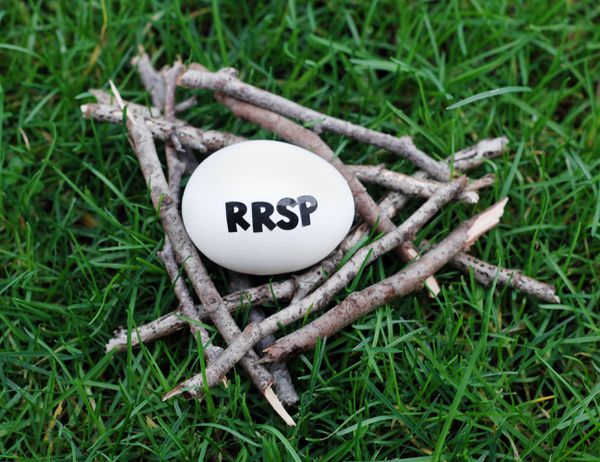
At this time of year, investors are bombarded with reminders to load up their RRSPs for the tax deduction and deferral benefits – and, of course, to save for retirement. But is it possible to have too much in your RRSPs?AnthonyRosenberg/iStockPhoto / Getty Images
Sign up for the Globe Advisor weekly newsletter for professional financial advisors on our newsletter sign-up page. Get exclusive investment industry news and insights, the week’s top headlines, and what you and your clients need to know.
Whether investors contribute to registered retirement savings plans (RRSPs) year-round or in the lead-up to the March 1 contribution deadline, determining when and where to allocate remains top of mind for many wanting to grow their investments and get a tax break.
The need for advice on how to invest in RRSPs has also become more acute in the past year as turbulent market conditions and spiking inflation have a put focus on protecting income for the future.
Here’s a list of some recent Globe Advisor articles that tackle some of the key issues that clients face this RRSP season and how experts are strategizing to make the most of the investment vehicles.
How to strategize RRIF withdrawals when markets are down
Mandatory annual withdrawals from registered retirement income funds (RRIF) in a down market can be tricky, but with some planning, clients can ease through without issue. Having a dedicated amount of cash holdings in a RRIF portfolio can prevent clients from having to collapse investments, some advisors say. Also, the sooner clients can withdraw from the RRIF, the less they will be required to withdraw later on. Deanne Gage speaks with advisors about how they mitigate down markets when clients need to withdraw income.
Stocks and ETFs to consider this RRSP season
Most investors were happy to see 2022 in their rearview mirrors. It was a rare year in which most major equity indexes lost ground while fixed-income returns were also negative. This year, though, looks to be off to a more encouraging start. So, what does that mean for investors who are considering how to deploy their money – in particular – for RRSPs? Terry Cain speaks with three portfolio managers to get their top picks for client portfolios.
Can you have too much invested in RRSPs?
At this time of year, investors are bombarded with reminders to load up their RRSPs for the tax deduction and deferral benefits – and, of course, to save for retirement. But is it possible to have too much in your RRSPs? Many older investors are asking this question after being forced to take out more money than they may want or need from their RRSPs, especially when they’re converted into RRIFs and the mandatory withdrawal rates kick in. Brenda Bouw looks at the tax hit that retirees face along with the potential clawback of government benefits and how advisors plan for this.
How to manage RRIF withdrawals tax-efficiently to avoid ‘a hefty penalty’
What goes into an RRSP must eventually come out and be taxed as income. Still, advisors employ many strategies to reduce taxes on RRIF withdrawals at or above the minimum – something that may be especially important as retired clients seek more income to meet higher costs driven by inflation. Alison MacAlpine looks at how advisors are helping clients take advantage of their marginal tax rate so they see more of their retirement savings.
The best long-haul RRSP investments from three veteran money managers
How RRSPs will be affected decades from now by an escalating global military buildup or higher interest rates are probably the last things investors are thinking about as they rush to make a contribution before the March 1 deadline. But beyond that tax refund in the spring, the long-term investments inside RRSPs ultimately determine how people live in retirement. That means choosing the right mix of investments that grow over time is paramount. Dale Jackson speaks with three veteran money managers about their best long-haul RRSP investment picks.
Are RRSPs enough to generate lasting income in retirement?
The majority of Canadians believe they need $1.7-million to retire confidently and comfortably, according to a new survey from Bank of Montreal. Yet, the survey also reports that “the average amount held in RRSPs nationally is $144,613, a 2 per cent increase from 2021.” That begs the question – are RRSP contributions enough to retire on? There are many factors to consider when looking at a client’s retirement savings, advisors say. Daina Lawrence looks at the options available to generate income in retirement.
For more from Globe Advisor, visit our homepage.