





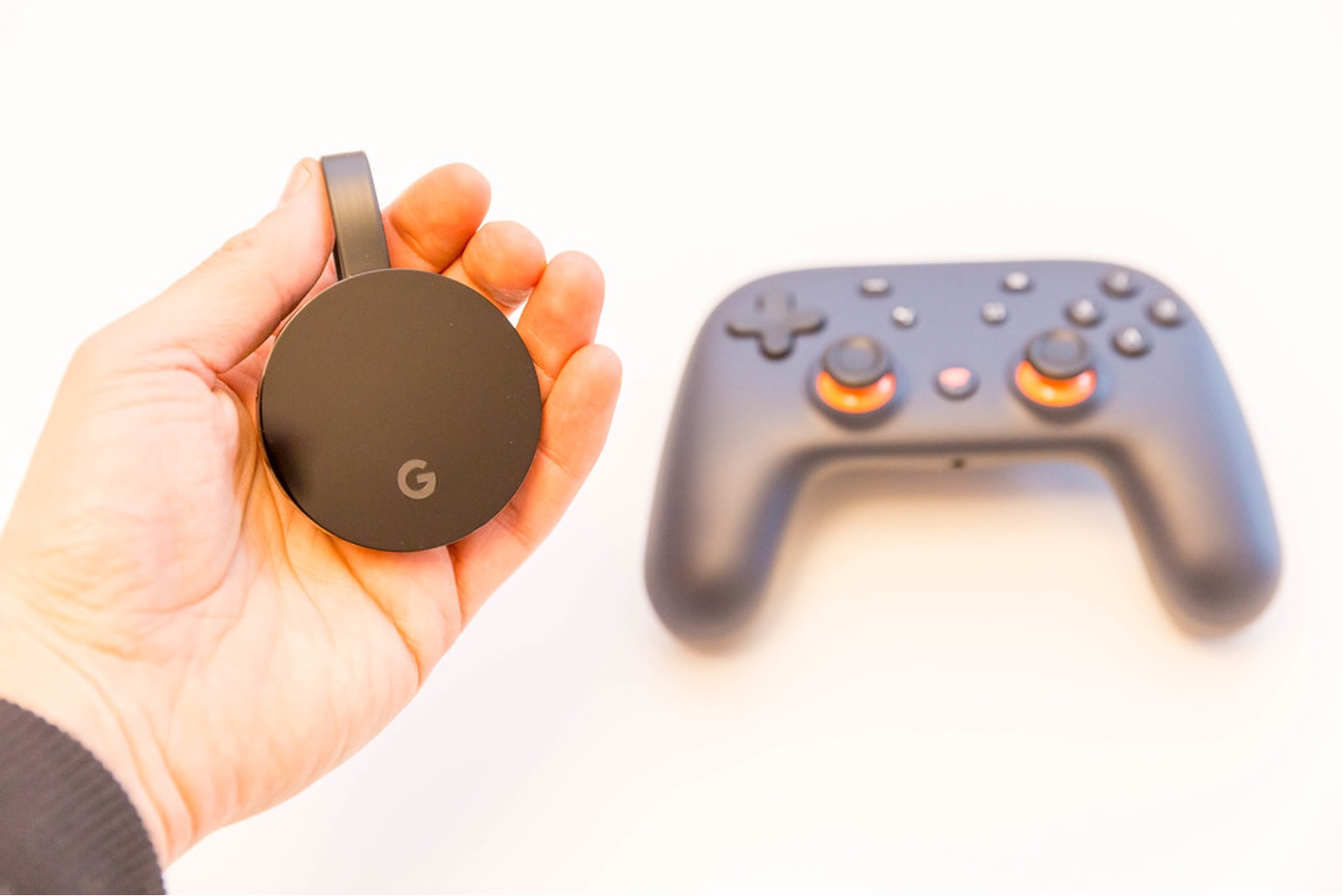
Approaching its third birthday, Google’s online game streaming service Stadia has recently been marked for closure. Considered one of the biggest and best in the space, this announcement has fans disappointed, but for many tech spectators, this development was only a matter of time. Suffering some major hurdles and a lowering of investment by Google, Stadia’s death might not be shocking, but it is a little disappointing for those who believed in what the system could accomplish.
What is Stadia?
As a cloud gaming service, Stadia is a system that closely mirrors the ideals of video and audio streams. Rather than host all the data on a user’s device, cloud streaming for services like Stadia run the calculations on a server, which is controlled by the user on their personal system. This means that games can be run on systems that could never handle them natively, such as Red Dead Redemption 2 is playable on a smartphone.
Causes of Failure
Before looking at the technical problems of Stadia, we first need to understand the financial problems of the system. Built entirely by Google, Stadia’s framework has been incredibly expensive, both to design and maintain. This is because game streaming tech is still in its relative infancy, and it requires a considerable storage and data investment to keep operating.
This isn’t the case for all online entertainment platforms, however. IGaming and e-commerce solutions are also built around creating ecosystems for players and developers, yet these are routinely successful. The difference comes from how iGaming is more evolved, it has a smaller footprint, and it’s continually supported by an industry that believes in the end product. There are now systems that can be tailored to the needs of the business because of the scalability of the software platform.
Google, however, is often not a company which inspires confidence. Google has bought and shut down dozens of popular hardware and software products in its lifespan, quick to kick projects to the curve if they’re not rapid or overwhelming financial successes. This would never be Stadia, which makes it surprising that a company like Google would invest so heavily.
In simple technical terms, the biggest problem with Stadia and other video game cloud streaming services is latency. This is the amount of time it takes a signal to perform a round trip, where more latency creates a delay and a feeling of disconnect between the player and the game. In a fast-paced title, latency is a killer. Thanks to insurmountable limitations on data transmission speeds due to unbreakable laws of physics, latency in Stadia would always be a problem.
Possible Solutions
While you can’t beat the speed of light, Stadia might at least have seen success by better playing to its strengths. Claims of ‘negative latency’ were rightfully mocked as magical thinking, as marketing speak that might convince investors, but not savvy players. In short, Google made claims that Stadia would be great for all games, but thanks to latency, this was a pipe dream.
Instead, Stadia might have seen success by targeting specific types of games, specifically those where reflexes weren’t important. Series like Civilization and XCOM are perfect examples here, where slight delays wouldn’t negatively affect player enjoyment. Unfortunately, Google aimed for all the money rather than just some, creating a too big-to-fail project that was so big that it failed.

Lessons Learned?
Shutting down on January 18, 2023, Stadia users will be granted a full refund on their purchases, but we still have questions about what comes next. With the right attitude, cloud gaming could work, but whether big modern tech companies will narrow their scopes is another question entirely.
The promise is still there, but in an industry so obsessed with maximizing growth over everything else, the promise could remain unfulfilled.
Follow Canada News Media
Get the day's top Canadian stories and our two daily 60-second news videos wherever you scroll.
X Threads Facebook Instagram LinkedIn TikTok YouTube Pinterest Reddit Substack Flipboard Newsletter RSS