


Hate crimes in 2025. Despite Canada’s progressive image, incidents of violence, discrimination, and harassment based on race, religion, sexual orientation, and other marginalized identities have sharply increased. This rise in hate crimes is a stark reminder that the fight against hatred and intolerance in Canada is far from over.
Recent data from Statistics Canada show that hate crimes have risen by 23% in 2025 compared to the previous year, with communities of Black Canadians, Indigenous peoples, and Muslim Canadians among the most targeted. While Canada continues to pride itself on being multicultural and inclusive, the statistics tell a different, darker story—one of growing intolerance and systemic inequities.
The human toll of hate crimes is immeasurable. Behind each statistic lies a personal story of pain, fear, and trauma, often leaving lasting scars on the victims and their communities. One such story is that of Latoya Smith, a Black Canadian woman from Toronto, who experienced a racially motivated attack on public transit in early 2025.
“I was just sitting on the bus, minding my own business, when this man started hurling racial slurs at me,” Latoya recalls. “He accused me of being the reason for Canada’s problems, telling me to ‘go back to where I came from.’ It was terrifying, but what hurt even more was that no one on the bus did anything to help. People just sat there and watched.”
Latoya’s experience is not unique. Many victims of hate crimes in Canada report feeling isolated, fearful, and unsupported, with a lack of bystander intervention only compounding their trauma. Hate crimes don’t just harm individuals—they create a climate of fear for entire communities.
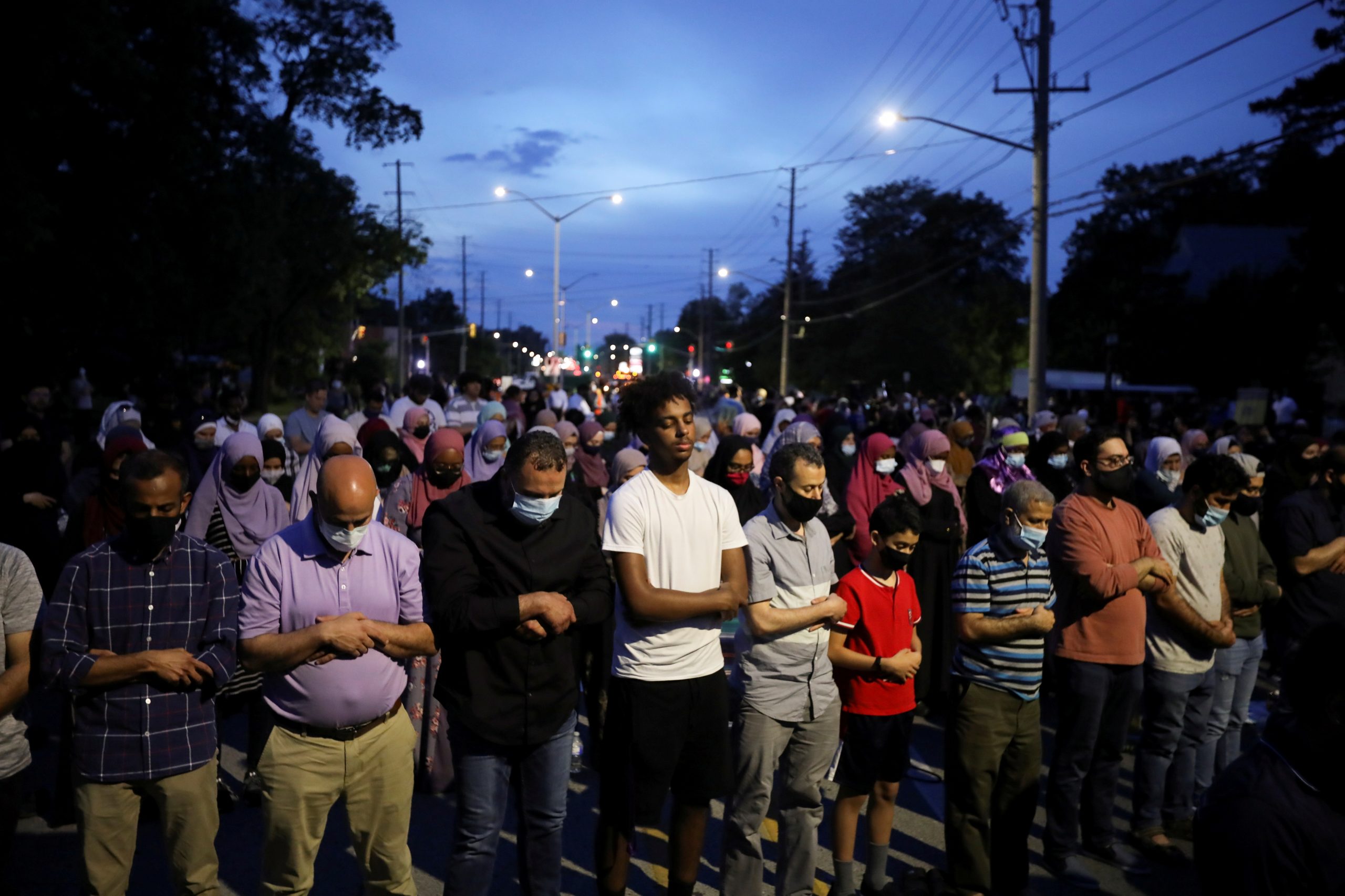
Ahmed Khan, a Muslim Canadian in Vancouver, shares a similar story. “I was walking to the mosque when a group of men started following me, shouting that Muslims are terrorists and don’t belong here. They threw rocks at me and my friend. I couldn’t believe this was happening in my own country, a place where I was born and raised.”
Ahmed’s experience highlights the rise in Islamophobia in Canada, which has intensified in recent years due to global events, including terrorist attacks and anti-Muslim rhetoric fueled by far-right movements. Many Muslim Canadians feel that they are increasingly viewed with suspicion and hostility, despite being part of the fabric of Canadian society for generations.
Experts point to a confluence of factors contributing to the rise in hate crimes in 2025. Among them is the role of social media platforms, which have become breeding grounds for hate speech, misinformation, and radicalization. Far-right extremist groups and individuals have used these platforms to spread their hateful ideologies, often targeting marginalized groups with calls for violence.
Dr. Emily Henderson, a sociologist and expert on hate crimes at McGill University, explains, “Social media has provided a space where hate can flourish unchecked. Algorithms often amplify divisive content, and online anonymity emboldens individuals to express views they might not otherwise vocalize. This has created a culture where hate is normalized, and that is spilling over into real-life violence.”
Political rhetoric, particularly from far-right politicians and figures, has also played a significant role in emboldening hate groups. In recent years, politicians in both Canada and abroad have used inflammatory language to vilify immigrants, refugees, and racial and religious minorities. This rhetoric has given legitimacy to hateful views and has, in some cases, encouraged acts of violence.
“Politicians have a responsibility to set the tone for public discourse,” says Nadine Thompson, an anti-racism activist in Montreal. “When they use dehumanizing language to describe certain communities, it sends a message that it’s acceptable to treat those people as less than human. That kind of rhetoric can lead to violence.”
Black Canadians and Indigenous peoples have been disproportionately affected by the rise in hate crimes. Both communities face a unique intersection of historical and ongoing systemic racism, which has manifested in discriminatory policies, racial profiling, and targeted violence.
Jason Roberts, a community leader in Halifax, Nova Scotia, explains, “As a Black man in Canada, I’ve always been aware of racism. But in the last couple of years, it feels like it’s gotten worse. We’re seeing more attacks on Black people, more vandalism of Black-owned businesses, and more hate speech online. It’s like the mask of civility has been ripped off, and people feel emboldened to show their true colours.”
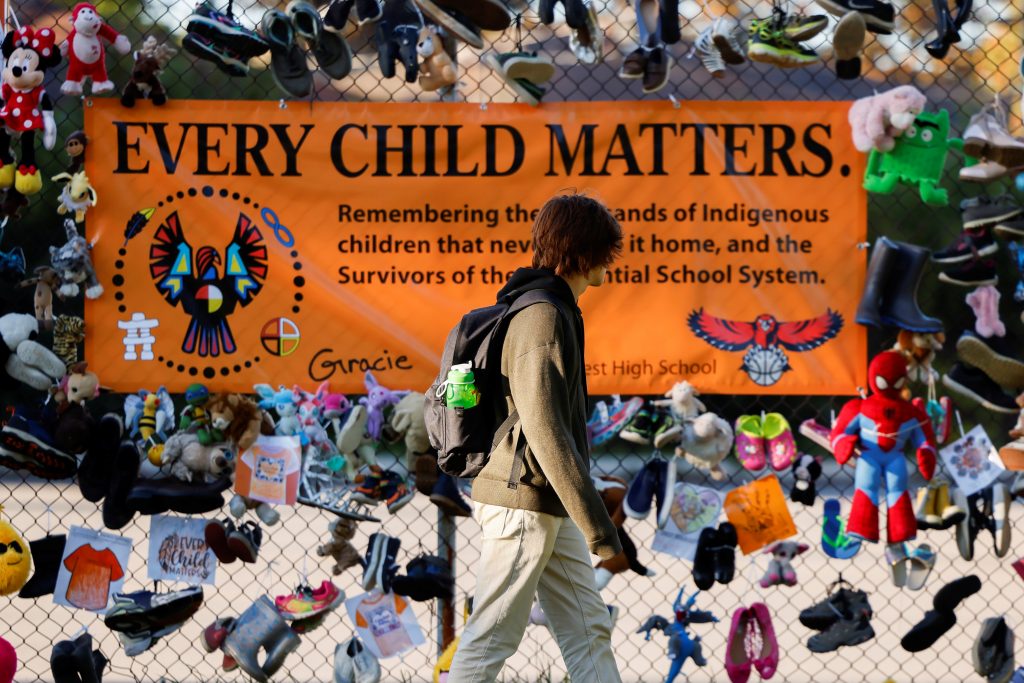
Indigenous communities, too, are grappling with an increase in violence and discrimination. For many, the rise in hate crimes is a painful reminder of the legacy of colonialism and the ongoing marginalization of Indigenous peoples in Canada.
Chief Erica Redbird, of the Cree Nation in Alberta, speaks to the impact of hate on her community. “Indigenous people have always faced racism in this country, but now it’s more overt. We’re seeing more hate crimes against our people, more harassment, more violence. The trauma of colonialism runs deep, and this rise in hate crimes is just another layer of oppression that we have to fight against.”
In response to the rise in hate crimes, the Canadian government has taken steps to address the issue. The federal government has announced plans to increase funding for anti-hate initiatives, including education programs, community support services, and stronger law enforcement measures to investigate and prosecute hate crimes.
Minister of Public Safety Karen Freeman has emphasized the government’s commitment to combating hate in all its forms. “We recognize that hate crimes are a growing problem in Canada, and we are taking concrete steps to address it. We are working with communities, law enforcement, and social media platforms to ensure that hate has no place in our society.”
However, critics argue that the government’s response has been insufficient and that more needs to be done to address the root causes of hate. Anti-racism activists, community leaders, and victims of hate crimes have called for systemic changes, including reforms to policing, the justice system, and education.
“There’s been a lot of talk, but not enough action,” says David Clarke, a racial justice advocate in Toronto. “We need to see real changes, not just empty promises. We need to hold people accountable for hate crimes, and we need to address the systemic racism that allows these crimes to happen in the first place.”
As Canada moves forward in 2025, the rise in hate crimes serves as a stark reminder that the fight against hate is far from over. While progress has been made in creating a more inclusive and equitable society, the surge in hate crimes reveals deep-seated divisions that must be addressed.
Communities across Canada are coming together to resist hate and promote unity. From grassroots organizations to national advocacy groups, there is a growing movement to confront hatred and build a society that values diversity and inclusion.
“The only way we’re going to overcome this is by standing together,” says Monique Johnson, an anti-hate activist in Ottawa. “We need to support each other, stand up against hate, and work towards a future where everyone in Canada feels safe and valued, no matter who they are.”
In 2025, the message is clear: hate has no place in Canada. However, it will take the collective effort of individuals, communities, and institutions to ensure that this message becomes a reality.
The rise of hate crimes in Canada in 2025 is a disturbing trend that requires immediate attention. Behind the statistics lie real people and communities facing the trauma of discrimination and violence. While the Canadian government has made some efforts to address the issue, critics argue that more systemic change is needed to tackle the root causes of hate. The road ahead is challenging, but with solidarity, advocacy, and decisive action, Canada can work towards a more inclusive and hate-free society.
Follow Canada News Media
Get the day's top Canadian stories and our two daily 60-second news videos wherever you scroll.
X Threads Facebook Instagram LinkedIn TikTok YouTube Pinterest Reddit Substack Flipboard Newsletter RSS