




Article content continued
These aren’t necessarily examples of children getting in touch with their naughty selves, Howe explained, but rather a trying on of different personas.
“What does it feel to be a dog? To be a ninja? They step into a role to see how they can make it theirs. They know they’re pretending. It is unlikely to become aggressive.”
“I like to be Harry Potter because I love reading the books and watching the movies,” said Rylee, who is 8. “I like to play Harry Potter with my friends at school. We play different characters.”
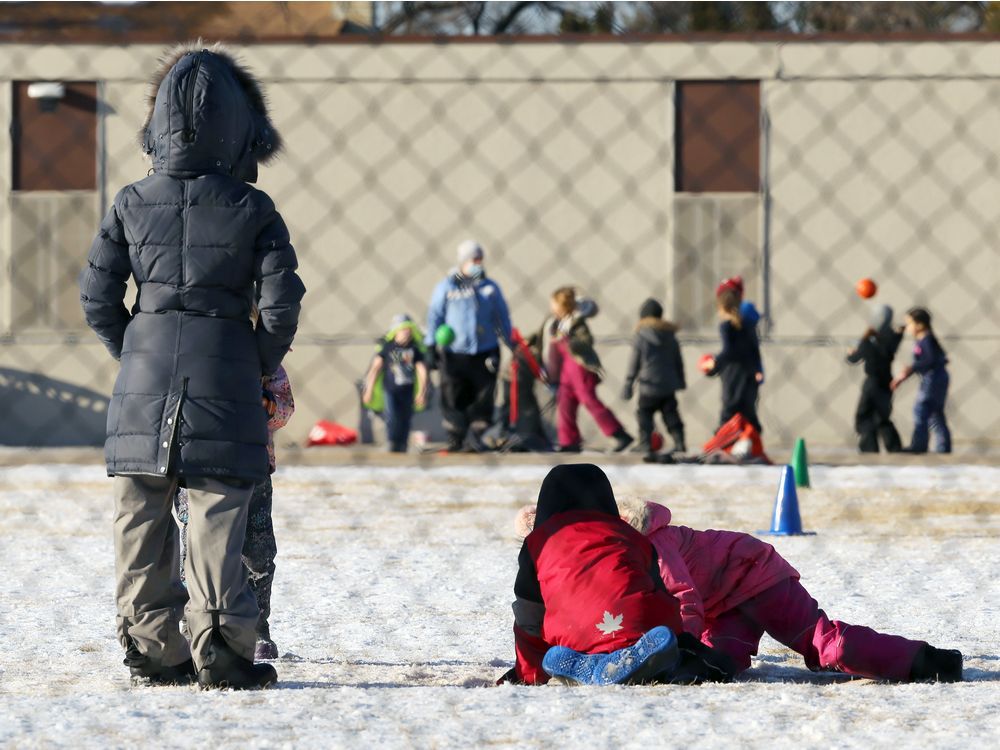
That’s common in the schoolyard, Howe said, where children find common ground with their peers.
Later in elementary school, make believe becomes more private, she said. Trevor found a day-camp friend to story-build with, but by late elementary he transitioned to doodling Magic Moon battle scenes and was less likely to jump around shooting things.
“I took a more administrative role,” he said.
Just because they’re growing up doesn’t mean they’re leaving Neverland forever. Just because we’re grownups doesn’t mean we don’t make believe in our own ways.
“A lot of pretend becomes internalized, our own fantasy world,” Howe said. “It becomes a way we can think in a new situation.
“It doesn’t die away. It just changes form.”