


It’s Heart Month, a time dedicated to eradicating heart disease and there are many of us living with it who may not even know.
According to Statistics Canada, hypertension is the lead risk factor for cardiovascular disease. Nearly one-quarter of Canadian men (24 per cent) and women (23 per cent) have hypertension and only 84 per cent are aware of it.
It’s a concerning figure for people like Ana Lees, who runs a pharmacy in Elliot Lake.
“We need to pay a lot of attention to it, hypertension or high blood pressure is also called the silent killer, it has no symptoms usually so a lot of people don’t even know they have high blood pressure,” said Lees.
She said there are some who find out when it’s too late and they’ve had either a heart attack or a stroke.
“So a lot of Canadians think it’s men who have an issue with high blood pressure or heart issues when actually we need to pay a lot of attention to women, as well,” said Lees.
“Women as we get older, certain hormone changes like pregnancy and menopause can put us at an increased risk, even higher than men.”
There is a range of causes of high blood pressure, she said, including genetic, lifestyle and nutrition.
“Like if you have a lot of salt in your diet,” Lees said. “And sometimes you can be really, really healthy and physically active and still have high blood pressure.”
One person who knows the plight of heart disease all too well is Sault Ste. Marie’s Wayne Sandvik. A financial planner by trade, Sandvik was at home one day in January 2017 when he suffered a heart attack.
He was rushed to the Sault Area Hospital and then sent to Health Sciences North for additional treatment.
“They didn’t think I’d make it but I did,” Sandvik said, smiling.
“I was driven to Health Sciences North and the doctor gave me two stents. Because of the delay I actually spent 13 days recovering at Health Sciences North, which is a little longer than anyone expected, but I’m here now.”
He credited the amazing treatment he got from both hospitals in keeping him alive and now healthy. He now helps others living with heart disease and also takes part in a regular support group.
Healthy diet, deal with stress
“Taking care of your diet, exercise, stress, those are all things that are really important,” Sandvik said.
“A doctor in Sudbury, he gave me a really good tip. I thought that most people might appreciate this time of year, is that we get a lot of snow in northern Ontario and in the wintertime and he was telling me that a lot of people have heart attacks when they’re shovelling snow.”
Lees said she gets questions about it all the time and wants people to know if they have concerns, they shouldn’t be afraid to ask.
She said there are things a pharmacist can do to help the situation.
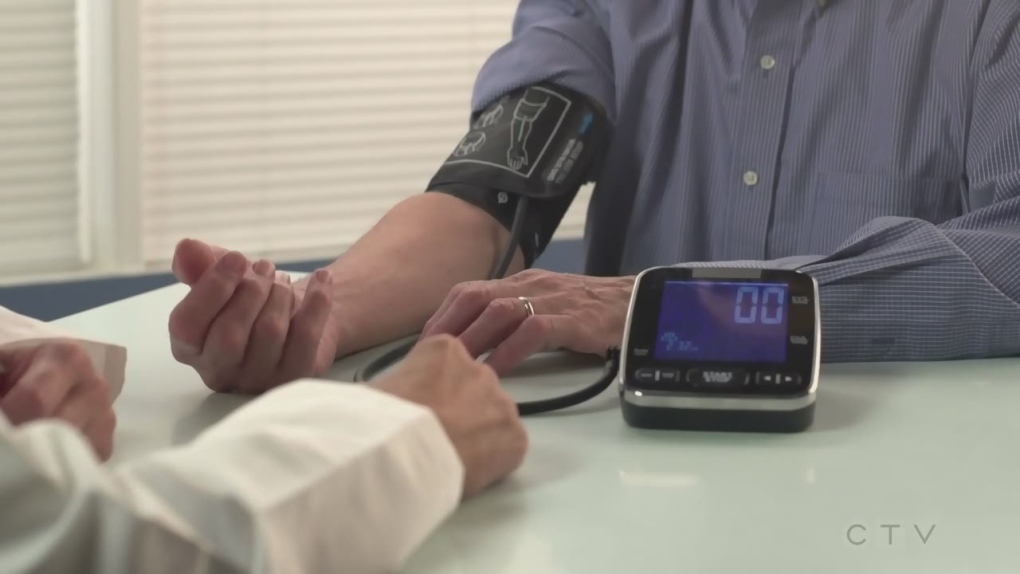
“We can go over your medication, if you’re taking anything, we can also check your blood pressure right in the store (and) a lot of pharmacies have blood pressure machines, either outside offices or the individual ones,” Lees said.
“We can also check your blood sugars to see if your blood sugars might be a little bit high, which puts you at risk of heart disease. And then if we find any of these things … we can also send notification to your doctor, which might get you in a little quicker to see them.”
According to the Heart and Stroke Foundation, every year roughly 35,000 cardiac arrests occur in Canada, the vast majority are either in public places or at home.

Follow Canada News Media
Get the day's top Canadian stories and our two daily 60-second news videos wherever you scroll.
X Threads Facebook Instagram LinkedIn TikTok YouTube Pinterest Reddit Substack Flipboard Newsletter RSS