



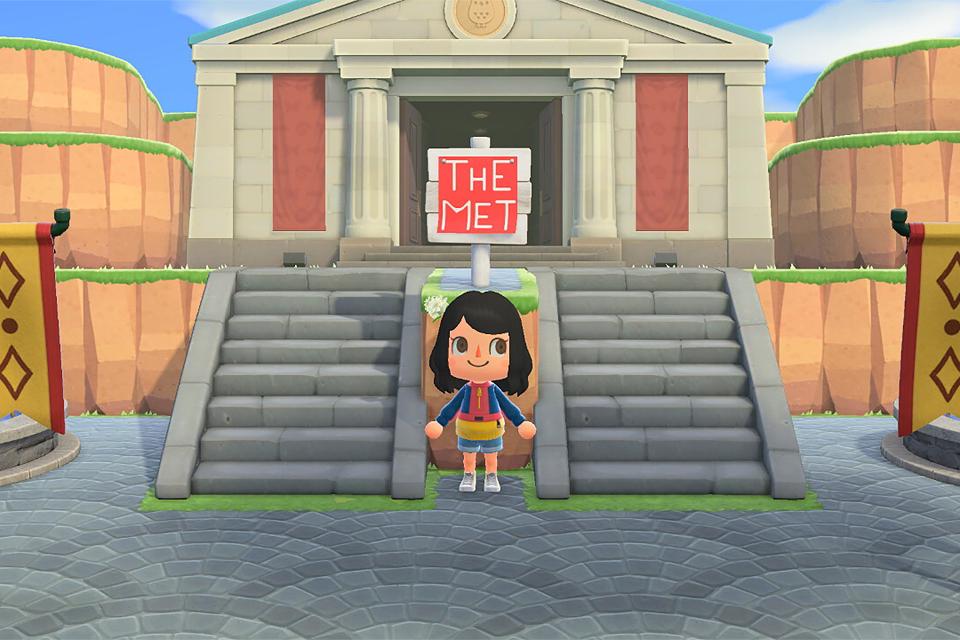
Animal Crossing: New Horizons
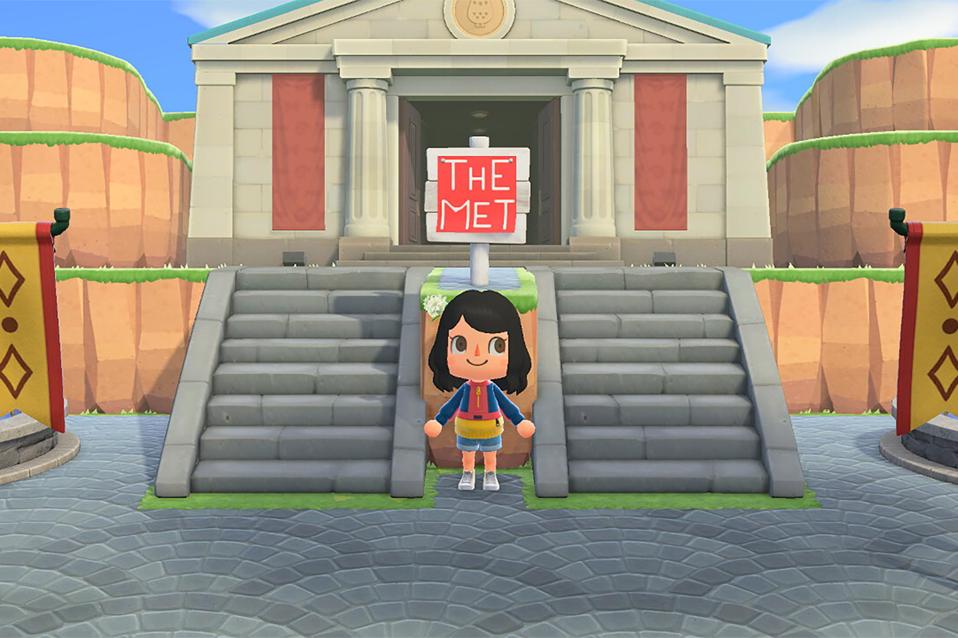
Credit: Nintendo via the Met
First it was the Getty, and then other museums started following suit. Now, the Metropolitan Museum of Art is on board to help you furnish your house in Animal Crossing: New Horizons. This is the genuine article, unlike those counterfeits being passed off by Redd the Fox. The Met has made its entire digital collection of open access images available for conversion to custom designs for use in-game.
To start, just go to the Metropolitan Museum of Art open access database. You can just start scrolling down and seeing what’s on offer, or you can search by geographic region, era, object type and department. Paintings work best, for obvious reasons, but you’re not limited to them. Then, click on the piece you like. In the lower right-hand corner, there’s a little “share” icon that looks like three circles connected by lines. Click that, and you’ll see the familiar logos of the social media giants joined by an Animal Crossing leaf. Click the leaf to generate a code.
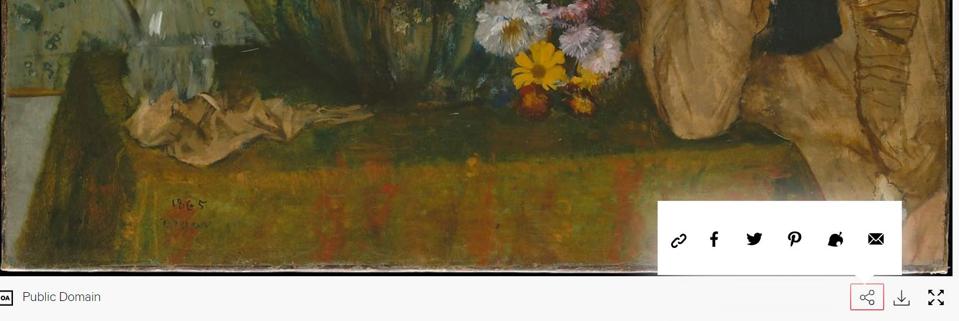
The Met’s Animal Crossing feature
Credit: The Met
The leaf will generate a QR code that you can scan with your phone using NookLink. For full directions on how to use QR codes in Animal Crossing: New Horizons, click here.
After that, you’re ready to slap some impressionist art on your town flag, transform your living room into an art gallery, or whatever you want. The quality is necessarily not quite up there with Redd’s offering: the fox is a little shifty, but his pieces come with a much higher resolution thanks to coming direct from Nintendo. But this is an excellent option too.
It’s been fun to see museums around the world jump on board with this operation. I imagine they’ve got plenty of people that normally work on events and public outreach that don’t have nearly as much to do these days, and this is a great way to get art out into the world far beyond their own walls. Redd has actually been doing a good job with that, too: I’ve had a great time googling and learning about some of his paintings, and just wish he would come around a little more often.
Edited by Harry Miller
Follow Canada News Media
Get the day's top Canadian stories and our two daily 60-second news videos wherever you scroll.
X Threads Facebook Instagram LinkedIn TikTok YouTube Pinterest Reddit Substack Flipboard Newsletter RSS