In Canada, a country that prides itself on multiculturalism and religious freedom, the reality for many racialized religious minorities tells a different story. Discrimination based on race and religion are deeply interconnected, creating unique challenges for Muslim, Sikh, Jewish, Indigenous, and other faith-based communities.
“The racism we see today is often disguised as religious intolerance,” says Dr. Amira Elghawaby, Canada’s Special Representative on Combatting Islamophobia. “People may not say ‘I hate your race,’ but they will say ‘I hate what you wear, how you pray, or how your beliefs shape your identity.’ These are deeply intertwined.”
Despite legal protections under the Canadian Charter of Rights and Freedoms, racialized religious groups experience hate crimes, workplace discrimination, and systemic exclusion—challenges that reflect a broader pattern of racial and religious intolerance.
This article explores how racism and religious intolerance reinforce each other, how public policies have contributed to discrimination, and how advocacy groups are fighting back to reclaim Canada’s commitment to true religious freedom and racial equality.
Religious Discrimination as a Form of Racialized Exclusion
For many racialized communities in Canada, religious discrimination is not just about faith—it’s about ethnic and cultural identity.
Muslims, Sikhs, Jews, and Indigenous spiritual practitioners often face discrimination rooted in racial stereotypes.
“The way Islamophobia functions in Canada is not just about religious doctrine,” explains Nadia Hasan, Chief Operating Officer of the National Council of Canadian Muslims (NCCM). “It’s about how Islam is racialized. A Black Muslim woman wearing a hijab experiences discrimination differently than a white Muslim convert because race is a major factor.”
This dynamic also affects Sikh Canadians, who have historically faced racism in employment and politics due to their turbans and beards, which are fundamental parts of Sikh religious identity.
“People assume my turban makes me a terrorist, or not Canadian enough,” says Jagmeet Singh, leader of Canada’s New Democratic Party (NDP). “Religious intolerance is often just another way to express racial discrimination.”
Meanwhile, Canada’s Jewish communities continue to experience antisemitic attacks, fueled by racialized conspiracy theories about Jewish influence and financial power.
“Antisemitism is racism, full stop,” says Michael Mostyn, CEO of B’nai Brith Canada. “It doesn’t matter that Judaism is a religion—Jewish people are targeted because of deeply embedded racial and ethnic stereotypes.”
Hate Crimes: The Rise of Race-Based Religious Attacks
Hate crimes against racialized religious groups in Canada have surged in recent years.
According to Statistics Canada (2023):
- Hate crimes targeting Muslims increased by 71% between 2020 and 2022.
- Antisemitic incidents rose by 41%, making Jewish Canadians the most targeted religious group.
- Hate crimes against Sikh communities doubled, particularly after India-Canada diplomatic tensions intensified.
These numbers reflect more than just religious bias—they reveal a deeper racial animosity.
“When I walk down the street in my hijab, people don’t just see a Muslim. They see an Arab, an immigrant, an ‘other’ who doesn’t belong,” says Dr. Yasmine Ali, a researcher on Islamophobia at McGill University. “Religious hatred is often racial hatred in disguise.”
Legislated Discrimination: How Policy Fuels Religious Racism
Beyond individual acts of hate, government policies have contributed to institutional discrimination against racialized religious groups.
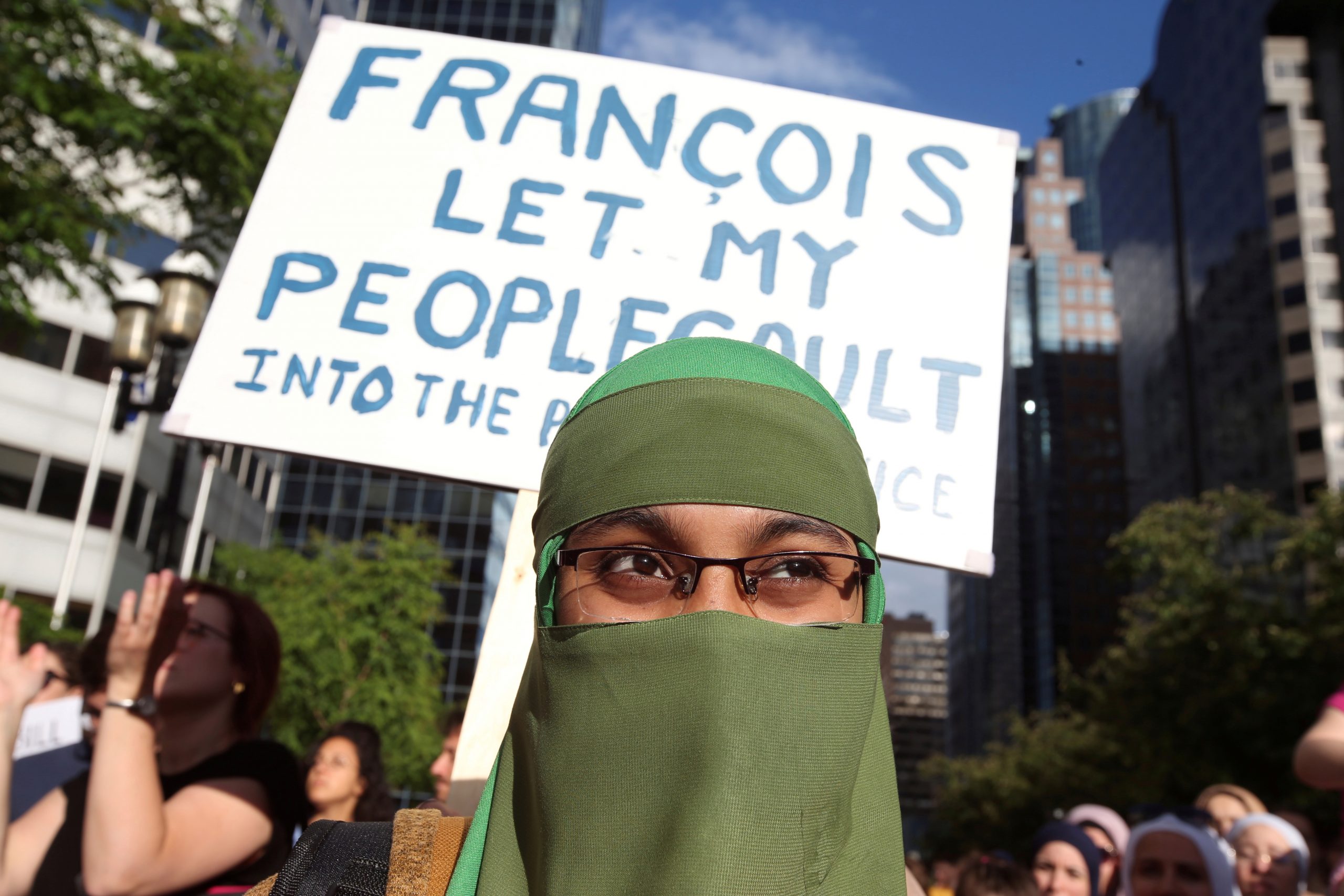
One of the most controversial policies is Quebec’s Bill 21, which bans public sector employees—including teachers, police officers, and government workers—from wearing religious symbols such as hijabs, turbans, and kippahs.
“The law disproportionately affects Muslims, Sikhs, and Jews—because their religious symbols are visible,” says Fo Niemi, Executive Director of the Centre for Research-Action on Race Relations (CRARR). “It’s a racialized attack on religious freedom.”
Many advocates argue that Bill 21 legitimizes discrimination and reinforces anti-Muslim and anti-Sikh sentiment in broader society.
“This is state-sponsored racism under the guise of secularism,” says Haroon Siddiqui, former editorial page editor for the Toronto Star. “It’s telling racialized people that their religious identities are unwelcome in public life.”
Religious Intolerance and Indigenous Spirituality
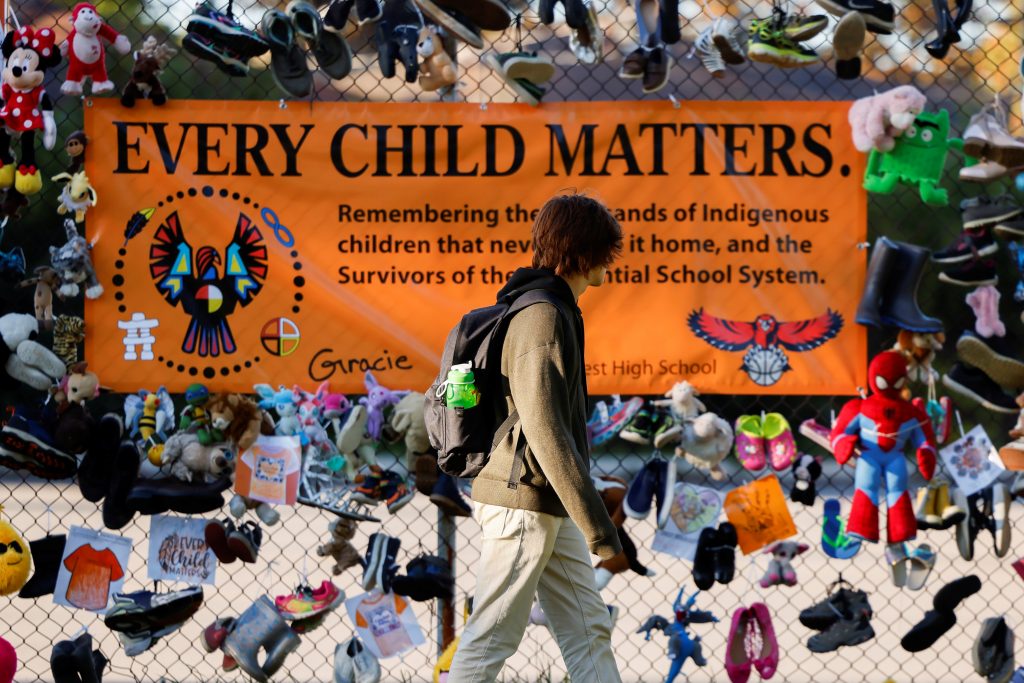
Canada’s legacy of colonialism and forced Christianization continues to impact Indigenous spiritual traditions, which have historically been criminalized and erased.
Until 1951, the Canadian government banned Indigenous ceremonies like the potlatch and the Sun Dance, forcibly converting Indigenous peoples to Christianity as part of residential school policies.
“The oppression of Indigenous spirituality was both religious and racial,” says Dr. Pamela Palmater, an Indigenous rights lawyer and Mi’kmaq activist. “Colonial laws deemed our traditions ‘savage,’ stripping us of our identity and forcing Christianity upon us.”
Today, Indigenous spiritual leaders face ongoing discrimination in land rights, sacred site preservation, and access to ceremonial spaces.
“It’s not just about freedom of religion—it’s about land, sovereignty, and survival,” says Elder Clayton Shirt, an Anishinaabe knowledge keeper. “You can’t separate Indigenous spirituality from our connection to the land, and racism still prevents us from fully practicing our traditions.”
How to Combat Racialized Religious Intolerance
To address the intersections of racism and religious intolerance, experts and advocates call for urgent legal and policy reforms, including:
- Stronger Hate Crime Legislation – Civil rights groups demand stricter enforcement of hate crime laws, particularly targeting racialized religious minorities.
- Repeal of Quebec’s Bill 21 – Advocates argue that overturning the ban on religious symbols in public service is necessary to restore equal rights for all religious communities.
- Increased Representation of Racialized Faith Leaders in Politics and Media – Greater representation can challenge stereotypes and normalize religious diversity.
- Stronger Protections for Indigenous Spiritual Practices – Governments must legally recognize and protect Indigenous ceremonies, sacred sites, and land-based spiritual traditions.
- Education on Religious Diversity and Racism in Schools – Experts suggest expanding anti-racism curricula to include the history of religious persecution in Canada.
“Canada must go beyond tolerance,” says Amira Elghawaby. “We need active inclusion, legal protections, and cultural change.”
Conclusion: A Fight for Justice Beyond Faith
Religious intolerance in Canada is often rooted in racial discrimination, targeting Muslims, Sikhs, Jews, and Indigenous spiritual practitioners based on ethnic and cultural prejudices rather than faith alone.
If Canada is to fulfill its promise of multiculturalism and religious freedom, it must confront the reality that racism and religious intolerance are deeply intertwined.
“Our fight is not just about faith,” says Nadia Hasan of NCCM. “It’s about dignity, justice, and the right to exist as we are—free from both racial and religious persecution.”
As we move forward, the question remains: Will Canada choose true inclusivity, or will religious intolerance continue to serve as a mask for racial discrimination? The answer will determine whether the country remains a beacon of diversity or falls deeper into division.
References:
- Statistics Canada, Hate Crime Trends in Canada (2023)
- National Council of Canadian Muslims (NCCM), Report on Islamophobia and Racial Profiling
- B’nai Brith Canada, Annual Antisemitism Report
- Ontario Human Rights Commission, Religious Freedom and Systemic Discrimination
- Truth and Reconciliation Commission of Canada, Indigenous Spirituality and Colonialism
Follow Canada News Media
Get the day's top Canadian stories and our two daily 60-second news videos wherever you scroll.