



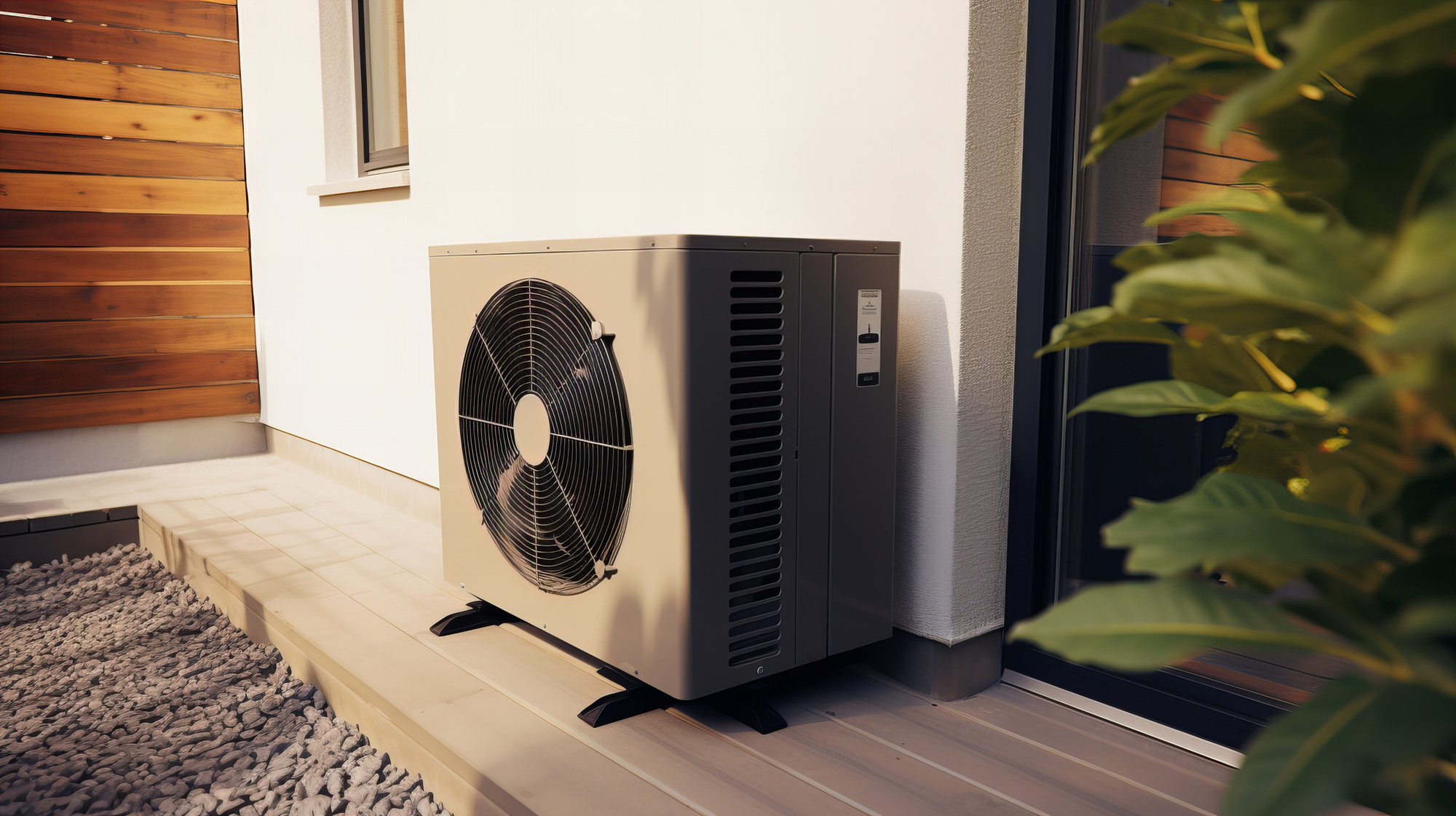
Determining the perfect size for your home’s HVAC (Heating, Ventilation, and Air Conditioning) system is crucial to ensure comfort, efficiency, and longevity of the equipment. An oversized or undersized system can lead to many problems, including inefficient energy use, increased utility bills, uneven temperatures, and premature system failure.
To help homeowners like you, this discussion will guide you through the steps to accurately size an HVAC system for your living space. Read on.
The Importance Of Correct HVAC Sizing And How To Properly Determine It
Before delving into the specifics, it’s important to understand why proper HVAC sizing is essential.
An HVAC system that’s too large will cycle on and off more frequently, a process known as short-cycling, which can lead to wear and tear on components, uncomfortable temperature fluctuations, and wasted energy.
On the other hand, a system that’s too small will struggle to maintain the desired temperature, particularly during extreme weather conditions, leading to constant running, increased energy consumption, and potentially leaving your home uncomfortably warm or cold.
Calculating The Square Footage
The first step in determining the right HVAC system size is to calculate the total square footage of the area needing heating or cooling.
Measure the length and width of each room and multiply these figures to find their areas. Add up these areas to get the total square footage. Remember, for homes with multiple levels, you should calculate the area of each level separately and then add them together.
Understanding The Climate Zone In Your Locality
Different regions require different levels of heating and cooling due to varying climatic conditions.
In Northern America, for instance, there are several climate zones defined by the authorities. Each zone has specific heating and cooling needs expressed in BTUs (British Thermal Units) per square foot. Knowing your location’s climate zone will help you determine the base BTU requirement for heating and cooling per square foot of your residence.
If you’re in Canada, make sure to reach out to local building authorities in your area to determine what is the climate zone there and what is the appropriate HVAC for it.
Accounting For Occupancy And Appliance Heat
The number of people living in your home and the heat generated by appliances and electronics also influence the size of the HVAC system required. Each person and appliance add heat to your home, which can be particularly significant in smaller, well-insulated spaces.
Adding a certain amount of BTUs per person and for the heat generated by appliances can help ensure that your system can handle these internal heat gains. Ontario’s top providers of professional heating and cooling solutions can help you determine the exact figure.
Calculating The Final BTU Requirement
Once you’ve gathered all the necessary information, you can calculate the approximate BTU requirements for your home. This involves adjusting the base BTU figure (from your climate zone and square footage) for factors such as occupancy and internal heat gains.
Many online calculators can help with this, but for accuracy, these calculations should ideally be confirmed by an HVAC professional. These professionals bring a wealth of experience and dedication to ensuring your home’s HVAC system is perfectly sized to meet your needs.
Taking Into Account Insulation And Windows
The quality of your home’s insulation and the type and condition of the windows significantly affect your HVAC sizing, a crucial aspect of properly installing your at-home HVAC.
Good insulation reduces heat loss in winter and heat gain in summer, decreasing the demand on your HVAC system. Similarly, energy-efficient windows can help maintain stable indoor temperatures.
Homes with poor insulation or older windows may require a larger HVAC capacity to maintain comfort levels, emphasizing the importance of accurate evaluation during installation.
Considering The Efficiency Of The HVAC System

When choosing an HVAC system, it’s important to consider the unit’s size and efficiency. Units are rated by SEER (Seasonal Energy Efficiency Ratio) for cooling and AFUE (Annual Fuel Utilization Efficiency) or HSPF (Heating Seasonal Performance Factor) for heating.
Select an HVAC with higher efficiency to help you offset a higher initial cost through lower utility bills over the system’s lifespan.
Getting A Professional Assessment
While homeowners can perform initial calculations, a professional HVAC contractor can provide a more accurate assessment using the Manual J calculation process. This method considers various factors, including climate, house orientation, insulation levels, window types, and more, to determine your home’s most accurate HVAC size.
Hiring a professional to do the HVAC sizing assessment for you ensures that all aspects of your home’s unique characteristics are considered, leading to a more tailored and efficient sizing.
To Conclude
Determining the perfect size for your HVAC system involves a detailed process that accounts for your home’s square footage, insulation quality, climate zone, window types, occupancy, and internal heat gains. While homeowners can make preliminary estimates, consulting with a professional for a comprehensive assessment ensures the most accurate and efficient sizing.
Remember, a correctly sized HVAC system is key to maximizing comfort, efficiency, and longevity of your system, helping to create a more comfortable and sustainable home environment.
Follow Canada News Media
Get the day's top Canadian stories and our two daily 60-second news videos wherever you scroll.
X Threads Facebook Instagram LinkedIn TikTok YouTube Pinterest Reddit Substack Flipboard Newsletter RSS