





Indigenous and Black communities face disproportionate levels of contaminated air and water
Federal lawmakers have voted to collect data to document the issue of “environmental racism” in Canada. The bill aims to uncover the impact of siting a disproportionate number of polluting industries and landfills in areas inhabited by racial minority communities, including Indigenous and Black communities.
Environmental racism refers to the exposure of these communities to higher levels of toxic pollutants, such as contaminated air and water, resulting in adverse health impacts. One of the most significant examples of this phenomenon is the Grassy Narrows First Nation community in Ontario, where residents have suffered the effects of mercury contamination from a former pulp and paper mill since the 1960s.
Similar cases of racial minority communities being subjected to polluting industries are prevalent in Canada and the United States. President Joe Biden has taken a stance on the issue, signing an executive order in January 2021 pledging to tackle environmental racism.
The bill passed by Canadian lawmakers will provide critical data and evidence to shed light on the issue and drive much-needed change. Data collection is a step towards ensuring that all communities, regardless of race, have access to a clean and healthy environment.
This bill marks a crucial step towards acknowledging and addressing the systemic barriers that have led to racial minority communities being disproportionately affected by toxic pollutants. The Canadian Parliament has taken a critical step to expose the disturbing reality of environmental racism. Indigenous and Black communities are disproportionately exposed to contaminated air and water.
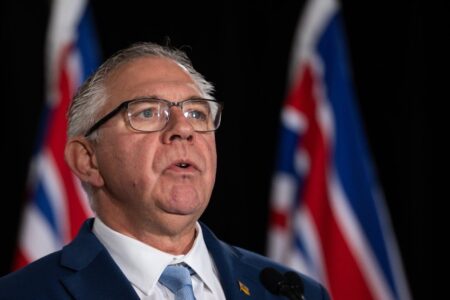
Liberal MP from Nova Scotia and sponsor of the bill says that it is high time that society recognizes this issue and takes action to address it. The collection of data, including the location of environmental hazards and levels of health problems in affected areas, will help bring the issue to the forefront and aid in creating policy recommendations.
In 2019, a United Nations special rapporteur concluded that Indigenous Peoples are at the receiving end of the toxic divide and are subjected to unacceptable conditions in Canada. However, opposition parties argue that the government has failed to act on pollution threats, pointing to delays in fulfilling its 2015 pledge to clean up water supplies in Indigenous communities and end water boil advisories.
The growing movement to address environmental racism has highlighted the need for comprehensive data to combat the issue effectively. As the climate crisis continues to escalate, the reality of environmental racism must also be addressed. Indigenous and Black communities are disproportionately exposed to contaminated air and water, making this a matter of life and death.
The bill is a vital step towards creating a more just and equitable society where all citizens have access to clean air and water.
Elliot Page Addressed This Significant Issue Back in 2019:
The Netflix documentary from 2019 featuring Elliot Page was centered on a bill that drew inspiration from the extensive research conducted by sociologist Ingrid Waldron of Dalhousie University in Nova Scotia. Waldron’s work highlighted that marginalized communities, mainly Black and Indigenous people in the province, bear the brunt of the negative impacts of environmental hazards.
Waldron studied the case of the town of Shelburne, where a toxic waste dump close to a Black neighborhood is believed to have led to higher cancer rates. He argues that the placement of these facilities is rooted in racism. His work gained attention through a 2019 Netflix documentary directed and narrated by Elliot Page.
The recent bill introduced to address environmental racism in Canada will only have limited success unless similar changes are made at the provincial level, according to Dayna Scott, a professor of environmental law at York University. The bill requires the federal government to collect data on environmental racism and create a strategy to address the issue.
However, the problem often lies in industrial permitting decisions made at the provincial level, where changes such as prohibiting the siting of polluting facilities in areas already overburdened with them would need to be made.
Follow Canada News Media
Get the day's top Canadian stories and our two daily 60-second news videos wherever you scroll.
X Threads Facebook Instagram LinkedIn TikTok YouTube Pinterest Reddit Substack Flipboard Newsletter RSS