





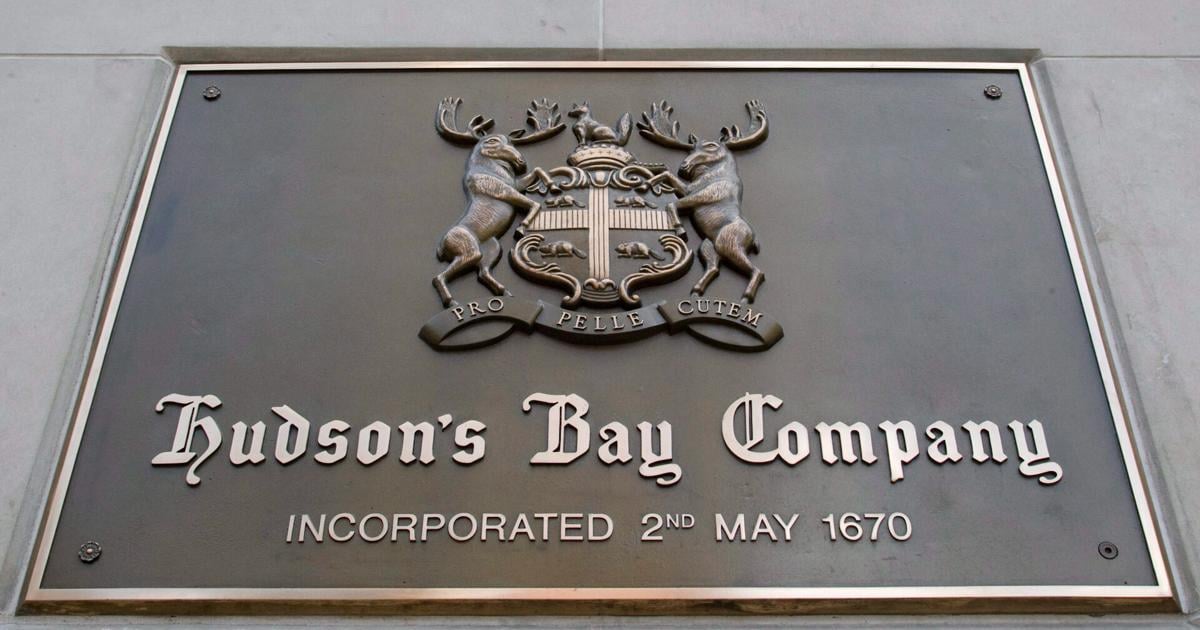
The Hudson’s Bay Company (HBC), established in 1670, stands as one of the oldest commercial enterprises in North America. Renowned for its pivotal role in the fur trade and the colonization of vast territories, HBC’s history is intertwined with various socio-economic dynamics, including connections to slavery. This article delves into HBC’s historical associations with slavery and examines how profits from such practices may have influenced its operations.The Canadian Encyclopedia+1Wikipedia+1
Direct Involvement in Slavery
While HBC’s primary operations centered around the fur trade, there are documented instances of direct involvement in slavery:
- Employment of Enslaved Individuals: Historical records indicate that HBC employed enslaved individuals in its operations. For instance, Joseph Lewis, a Black man from New England, worked for the company as a chattel slave in what is now The Pas, Manitoba. Wikipedia+6Scene7+6NPS History+6UM Today
- Utilization of Indigenous Slaves: In the Pacific Northwest, where slavery was prevalent among Indigenous cultures, HBC sometimes utilized enslaved labor. The company did not enslave individuals directly but negotiated for the services of enslaved people from their Indigenous owners. Despite officially disapproving of slavery following the Imperial Emancipation Act of 1833, HBC occasionally resorted to this labor due to challenges in recruiting free Indigenous workers for certain tasks. NPS History
Indirect Connections Through Financial Associations
Beyond direct involvement, HBC’s financial ties further connect it to the institution of slavery:The Canadian Encyclopedia+1Connecticut Public+1
- Edward Ellice’s Involvement: Edward Ellice, a prominent director of HBC, was a significant slave owner. He received compensation for 308 enslaved individuals he owned across plantations in St. Lucia, Grenada, and Jamaica following the abolition of slavery in the British Empire. The profits from these plantations, and the compensation received, likely influenced his investments and decisions within HBC. Black Outdoors
- Economic Context of the Textile Industry: HBC’s iconic point blankets, integral to its trade, were manufactured in Britain during a period when the textile industry heavily relied on cotton produced by enslaved African labor in the Americas. This connection underscores how the broader economy of the time, intertwined with slavery, indirectly supported HBC’s commercial activities. Home
Perspectives from Scholars and Historians
Experts provide nuanced insights into HBC’s historical ties to slavery:
- Emphasizes the importance of acknowledging these connections: “Understanding the multifaceted history of institutions like the Hudson’s Bay Company requires us to confront uncomfortable truths about their involvement, direct or indirect, in systems of oppression such as slavery.”
- Highlights the broader implications: “The entanglement of major corporations with the institution of slavery had lasting socio-economic impacts, influencing wealth distribution and contributing to systemic inequalities that persist today.”
Contemporary Reflections and Corporate Responsibility
In recent years, there has been a growing movement urging corporations to address historical injustices linked to their past:
- Corporate Acknowledgment: Some companies have begun to acknowledge their historical ties to slavery and have taken steps toward reparative actions. While HBC has not publicly addressed this aspect of its history, there is a broader expectation for corporations to confront and reconcile with their past.Scene7
- Educational Initiatives: Institutions are increasingly supporting educational programs and research to shed light on historical injustices. By funding scholarships, exhibitions, and public lectures, companies can contribute to a more comprehensive understanding of history.
The Hudson’s Bay Company’s historical connections to slavery, both direct and indirect, reflect a complex legacy intertwined with colonial expansion and economic exploitation. Recognizing and understanding these aspects are crucial steps toward addressing historical injustices and fostering a more equitable society.
Follow Canada News Media
Get the day's top Canadian stories and our two daily 60-second news videos wherever you scroll.
X Threads Facebook Instagram LinkedIn TikTok YouTube Pinterest Reddit Substack Flipboard Newsletter RSS