





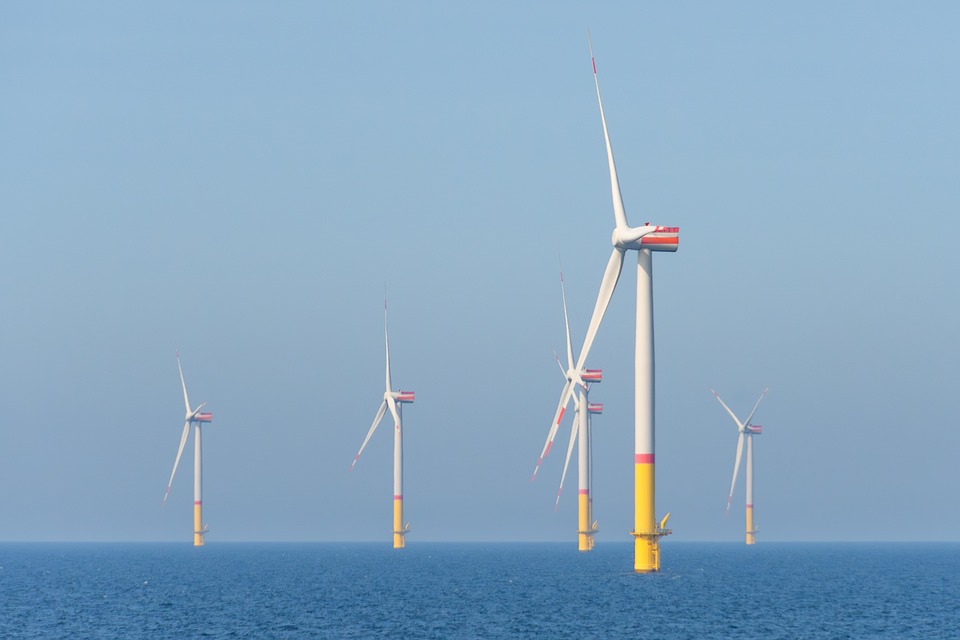
In recent years, the dialogue surrounding sustainable energy has evolved to include an increasingly significant voice: Indigenous communities. As the world grapples with the impacts of climate change and a pressing need for renewable energy, the collaboration between Indigenous nations and corporations has emerged as a pathway not only for economic opportunity but also for environmental stewardship and cultural preservation.
Historical Context
Historically, Indigenous communities have been disproportionately affected by energy developments, often facing land dispossession and environmental degradation. However, as conversations around energy transition intensify, these communities are not just victims but active participants in crafting a sustainable energy future. Their traditional ecological knowledge and deep-rooted connections to the land offer unique insights that can enhance modern sustainable practices.
Case Studies of Collaboration
One prominent example of successful Indigenous partnership is the joint venture between the Kitimat First Nation and an energy development company in British Columbia. The agreement not only provides jobs and revenue for the community but also ensures that environmental concerns are addressed throughout the project’s lifecycle. “We are stewards of the land,” says Chief Councilor of Kitimat, “and our input is crucial for the success of such projects.”
Another notable collaboration is the partnership between the Navajo Nation and Solar Energy companies in the Southwestern United States. This initiative aims to harness the region’s abundant solar potential. Local leaders emphasize the importance of energy sovereignty, stating that by investing in renewable resources, they can empower their communities and reduce reliance on fossil fuels, which have historically contributed to pollution and economic challenges.
The Importance of Cultural Inclusion
At the heart of these partnerships is the principle of cultural inclusion. Collaborative projects are increasingly being designed to integrate Indigenous ways of knowing, which emphasizes harmony with nature and long-term sustainability. According to Dr. Leanne Betasamosake Simpson, an Indigenous scholar, “Indigenous peoples have been living sustainably for thousands of years; this knowledge is invaluable in today’s context of climate emergency.” Incorporating such insights can lead to more effective and culturally respectful energy solutions.
Challenges and Opportunities
Nevertheless, the road to successful partnerships is not without challenges. Many Indigenous communities continue to face systemic barriers, including legal hurdles that prevent them from fully participating in energy ventures. Additionally, the historical backdrop of colonization poses trust issues in dealings with corporations and government entities. Advocacy for Indigenous Rights—such as those outlined in the United Nations Declaration on the Rights of Indigenous Peoples—is vital in bolstering these communities’ positions in negotiations.
However, the demand for sustainable energy presents significant opportunities. As global and national policies shift toward greener initiatives, Indigenous communities are finding allies in governmental bodies as well as the corporate sector. Funding opportunities, grants, and investment in infrastructure are increasingly making their way to Indigenous-led projects, allowing for self-determination in energy production and management.
Innovative Solutions for Sustainability
Indigenous-led energy initiatives are not just about renewable sources; they also encompass innovative technologies and systems that embed sustainability at their core. For example, the Inuvialuit Regional Corporation in Canada has developed community-based energy plans that include renewable energy infrastructure alongside conservation projects aimed at restoring traditional practices such as hunting and fishing.
In recent times, blockchain technology has also been explored for its potential in sustainable energy systems. By enabling decentralized energy trading, Indigenous communities can take control of local energy production and consumption, ensuring the profits circulate within the community, thereby fostering economic resilience.
Towards a Synergistic Future
Looking ahead, the integration of Indigenous wisdom in energy policies and practices offers a synergistic approach to addressing climate change. As climate refugees begin to emerge due to unmitigated environmental deterioration, the lessons learned from Indigenous stewardship become increasingly relevant. Those engaging in energy projects must listen to Indigenous voices, recognizing them not merely as stakeholders but as integral partners whose knowledge can lead to sustainable solutions.
Conclusion
The collaboration between Indigenous communities and energy developers represents a transformative step towards a sustainable future. As this dialogue deepens and relationships strengthen, the potential for mutual benefit becomes apparent. Greater inclusion of Indigenous perspectives in energy development not only addresses historical grievances but also paves the way for innovative approaches to a global energy crisis. By nurturing these partnerships, society can work towards a landscape where energy justice is intertwined with ecological integrity and cultural respect—ultimately fostering a more sustainable world for all.
Related Products
Follow Canada News Media
Get the day's top Canadian stories and our two daily 60-second news videos wherever you scroll.
X Threads Facebook Instagram LinkedIn TikTok YouTube Pinterest Reddit Substack Flipboard Newsletter RSS