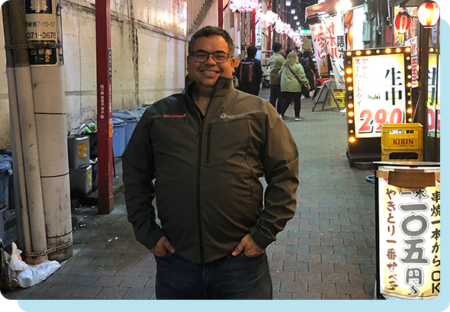



In a recent development that has raised concerns about intellectual property rights and systemic challenges within the Royal Canadian Mounted Police (RCMP), Staff Sergeant Craig Smith, an African Nova Scotian officer with nearly three decades of service, claims he was removed from his position after raising concerns about the ownership of anti-racism workshop materials he developed.
Staff Sgt. Smith has been instrumental in developing the African Canadian Experience workshop, an initiative aimed at educating RCMP officers about the historical and contemporary experiences of African Canadians. The workshop’s roots trace back to 2006 when Smith published his second book, You Had Better Be White By 6 a.m.: The African-Canadian Experience in the RCMP. Drawing from this research, he initiated the African Nova Scotian Experience Workshop, which later evolved into the African Canadian Experience workshop in 2017, expanding its scope and duration. ca.news.yahoo.com
The crux of the dispute centers on the ownership of the workshop materials. As the federal government expressed interest in expanding the workshop nationally by 2022, Smith sought compensation for his intellectual property, asserting that the materials were based on his independent research and publications. He stated, “I didn’t think it was fair that my material be used without my permission and without me being compensated for it.” ca.news.yahoo.com
In response, the RCMP maintains that materials created in the course of employment are owned by the employer. Assistant Commissioner Dennis Daley, Nova Scotia’s commanding officer, acknowledged awareness of Smith’s concerns but refrained from discussing personnel matters publicly. He emphasized, “I am 100 per cent committed to the delivery of the African Canadian experience course and I look forward to continuing to educate our employees.” ca.news.yahoo.com
Intellectual property lawyer Catherine Lovrics explains that, generally, employers own works created by employees during their employment, with exceptions typically applicable to contractors or third parties. She noted, “Your employer will own all of the works that you create in the course of your employment.” ca.news.yahoo.com
Following the dispute, Smith was reassigned to national recruitment, and the workshop was condensed from five to three days, with his materials reportedly removed. He expressed frustration over the changes, stating, “I built up this course that garnered national attention, was attended by hundreds of officers across the country and gave racialized members a safe place to talk about their experience and all of a sudden you want to dismantle it.” ca.news.yahoo.com
The situation has elicited reactions from various quarters. Advocates for diversity and inclusion within law enforcement express concern that such disputes could hinder progress in addressing systemic racism. They emphasize the importance of recognizing and valuing contributions from officers like Smith, who bring lived experiences and cultural insights to educational initiatives.
The dispute between Staff Sgt. Craig Smith and the RCMP underscores the complexities surrounding intellectual property rights within institutional frameworks, especially concerning initiatives addressing systemic issues like racism. As the RCMP continues its efforts toward diversity and inclusion, the resolution of such disputes will be pivotal in fostering trust and collaboration both within the force and with the communities it serves.
Follow Canada News Media
Get the day's top Canadian stories and our two daily 60-second news videos wherever you scroll.