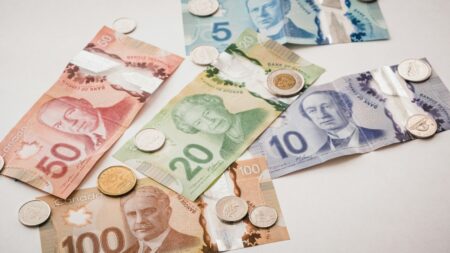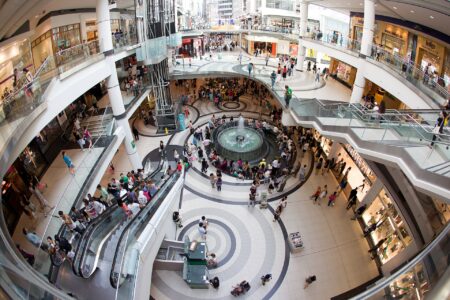






As the aftermath of the COVID-19 pandemic lingers, Canadians are finding their footing in a recovering economy marked by shifting consumer habits. The initial wave of lockdowns transformed the way people viewed purchasing, blurring lines between luxury items and everyday necessities. According to Statistics Canada, retail sales showed a resurgence in 2022, with many Canadians reevaluating what they deem essential.
The New Consumer Mindset
The pandemic galvanized a significant cultural shift, compelling Canadians to reconsider their spending habits. With travel plans dashed and dining out curtailed, disposable income initially found its way into online shopping for home comforts—the cozy couch or luxury entertainment systems became the new status symbols.
“People are spending more on quality rather than quantity,” says Emily Carter, a consumer behavior analyst based in Toronto. “There’s a greater appreciation for products that enhance the home experience, leading to a spike in sales of high-end kitchen gadgets, furniture, and home decor.”
Data-Driven Decisions
Surveys conducted by the Canadian Retail Federation indicate that 57% of Canadians have prioritized spending on essentials over luxuries this year. However, the definition of essential has shifted. For some, smart gadgets that facilitate remote working have become everyday necessities.
“The pandemic has pushed technology to the forefront. Laptops, ergonomic chairs, and office setups are no longer considered luxury but essentials for many,” notes Carter. Major electronics retailers, like Best Buy, report a 25% rise in sales for home office equipment in the first half of 2023 compared to pre-pandemic figures.
The Luxury Market’s Resilience
Despite the increased emphasis on necessities, the luxury goods market has not faltered. Brands such as Canada Goose and Sephora have reported robust sales, particularly in categories like winter apparel and beauty products. According to a report by Bain & Company, the luxury market in Canada is projected to see a steady growth of 6% annually over the next five years.
“Canadians are eager to treat themselves after years of restrictions,” says Andrew Smith, co-owner of a high-end retail boutique in Vancouver. “Luxury items serve not just as status symbols but also as affirmations of resilience and recovery.”
Outdoor and Travel Spending
Your summer of lockdown dreams included a lot of outdoor adventures, and that enthusiasm hasn’t ebbed. The Federation of Canadian Municipalities reported approximately 40% growth in outdoor recreation retail sales. Hiking gear, camping supplies, and bicycles are in high demand as Canadians flock to nature for solace and escape.
Travel is also making a notable comeback, albeit with a preference for premium experiences. Travel agencies report an uptick in bookings for luxury travel options, highlighting an interesting paradox—while many Canadians are tightening their belts, they are spending more on experiences that bring joy and wellness.
The Balancing Act
The challenge remains in striking a balance between luxury and necessity. Consumers are increasingly aware that their choices reflect their values. More than just economic circumstances dictate their spending behaviors; ethical considerations, sustainability, and their personal well-being now play crucial roles.
For example, many Canadians are opting for eco-friendly products that, while possibly more expensive, align with their values. “People want to ensure that their purchases contribute positively, not only to their lives but to the planet,” Carter reflects.
What Lies Ahead
As Canada continues its recovery, experts suggest a hybrid shopping landscape is likely to dominate. “We’re going to see a blend of necessity and luxury continue to coexist,” states Carter. “Brands that can successfully navigate this landscape, offering high-quality, ethically-sourced products, are poised for growth.”
The Canadian economy remains in a state of flux, but consumer confidence is slowly on the rise. While traditional luxury items maintain their charm, a new definition is emerging—luxury is increasingly personalized, contextual, and emotionally resonant. Whether necessities will continue to compete with luxuries for consumers’ attention is still unfolding.
Conclusion
As Canadians reevaluate their priorities, their spending reflects a deeper understanding that luxury isn’t solely materialistic. It embodies experiences, comfort, and emotional well-being. In this dynamic market, those who embrace the evolving definitions of need and want will find opportunities for innovation.
In a world still grappling with the ramifications of the pandemic, the question isn’t just what people are buying but why they are choosing to spend their money in the way they do. The answers reveal a Canadian consumer more conscious, discerning, and ultimately hopeful for a brighter, more fulfilling future.
Related Products
Follow Canada News Media
Get the day's top Canadian stories and our two daily 60-second news videos wherever you scroll.
X Threads Facebook Instagram LinkedIn TikTok YouTube Pinterest Reddit Substack Flipboard Newsletter RSS