


The text and images platform, owned by the company that runs Facebook and Instagram, has amassed at least 100 million users since it started last week
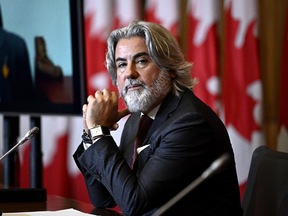
Canada’s heritage minister is leaving the door open to regulating new social media platform Threads under a bill forcing Google and Meta to pay publishers for content they link to or repurpose.
“We don’t know yet, but it’s going to be more precise as we go into regulations.”
The text and images platform has garnered at least 100 million users since it sprang up last Wednesday, after the act targeting Meta properties Facebook and Instagram along with Google’s search engine and news products received royal assent on June 22.
The act has since sparked a tit-for-tat relationship between the digital giants and the federal government.
In his latest salvo, he pulled the federal government’s $10 million in annual advertising spend from Meta’s platforms last week.
News and telecommunications businesses Quebecor, Bell Media, Torstar Corp., Cogeco, and Postmedia Network Canada Corp. made the same move, which was replicated by the Universite de Montreal on Wednesday.
“Google decided to stay at the table and keep discussing with us. Meta took the bully approach and decided not to discuss with us anymore,” said Rodriguez.
“Since then, we met with Google on Friday… are working on having an update this week.”
Rodriguez declined to discuss the specifics of the conversations he has been having with Google, but said they have been “open, frank discussions.”
“I think they are going in the right direction,” he said.
“We hope that the government will be able to outline a viable path forward,” Kent Walker said.
Meta declined to comment.
Rodriguez’s conversations with Google come as he released a document Monday saying that he was proposing a financial cap on how much Google and Facebook would have to provide in compensation to media companies that it based on a platform’s estimated Canadian revenues, and would be specific to each platform and their position within the news marketplace.
The proposal reaffirms that non-monetary offerings to news organizations, such as training, could be included as exemption grounds and works to provide clarity on what constitutes a “significant portion” of independent local news businesses, Indigenous news outlets, and official-language minority community news outlets.
While he didn’t get into specifics around what the financial cap digital giants must pay could be or how many organizations they will need to broker deals with, he stressed that the regulations will touch every province and territory, impact English and French publications and ensure Indigenous media and outlets of all sizes are represented.
CBC, the country’s public broadcaster, could also gobble up some cash through the act, Rodriguez said, but that will come down Google and Meta and who they chose to strike deals with.
While such matters are still be worked out, Rodriguez said he remains open to meeting with Meta.
“We don’t want confrontation. We were very disappointed by Meta’s attitude, which is in our opinion, irresponsible,” he said.
“We’re not acting the same way, we’re saying guys, come at the table.”