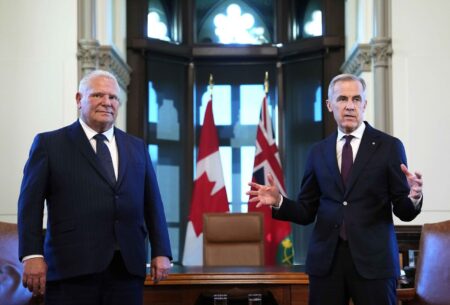






As Canada approaches the last quarter of 2023, a slew of new economic data has emerged, offering a complex and often conflicting picture of the nation’s economic health. From fluctuating inflation rates to changing employment statistics, both policymakers and the public face a challenging landscape that demands careful navigation.
The Inflation Conundrum
In September, annual inflation in Canada was reported at 4.1%, a notable decrease from the 8.1% peak recorded in June 2022. The Canadian Consumer Price Index (CPI) has shown signs of cooling, which some experts herald as a victory in the fight against inflation. However, beneath this seemingly positive indicator lies a series of complexities that cast doubt on the sustainability of this trend.
According to Andrew McCormick, an economist with the Bank of Montreal, “While it’s encouraging to see a decline in inflation rates, the uncertainty surrounding global supply chains and the effects of geopolitical tensions, particularly with events like the ongoing conflict in Ukraine, can trigger sudden spikes in prices.” McCormick suggests that volatility in essential commodities, including oil and grains, could lead to unexpected challenges ahead.
Employment Trends: Gains Amidst Caution
Employment data released in early October revealed an increase of 50,000 jobs in September, a relatively robust figure that signifies resilience in the Canadian job market. The unemployment rate, which currently sits at 5.4%, remains lower than the historical average, further indicating a level of economic stability.
However, experts urge caution. “It’s essential to recognize that the job growth is uneven across sectors,” says Lisa Chen, a labor market analyst. “While some sectors like technology and healthcare are thriving, traditional industries like manufacturing are experiencing layoffs, primarily due to automation and shifting demand.”
As remote work continues to evolve, there’s an increasing disconnect between job availability and workers’ skills, especially in rural areas. This dissonance raises questions about long-term job security and the types of roles that will be available in the future economy.
Interest Rates and Housing Market Impacts
Perhaps one of the most influential factors in the current Canadian economy is the Bank of Canada’s decision to maintain its key interest rate at 5.0%. This move aims to control inflation but has significant implications for mortgage rates and consumer spending. The central bank’s stance has led many potential homebuyers to delay their purchases, resulting in a cooling housing market that has drawn both concern and relief from various stakeholders.
“Higher interest rates make it more difficult for first-time homebuyers to enter the market,” notes John Darnell, a real estate expert. “While this might help stabilize prices, it also means that many Canadians are stuck in leasing arrangements, which can lead to a stagnant economy if consumer spending declines.”
Recent statistics indicate a 30% drop in home sales in Urban Canada compared to the previous year. This decline has fueled debates about the future of real estate, leading to discussions on affordable housing initiatives as a necessary response to prevent wider economic fallout.
Exports and Global Market Uncertainties
Canada’s export sector is also experiencing turbulence amidst changing global demand. The International Monetary Fund (IMF) has projected a slowdown in global economic growth through 2024, primarily influenced by tightening monetary policies in major economies. Canadian exports have faced headwinds, particularly in the energy sector, where demand fluctuates alongside global energy prices.
“Canada’s heavy reliance on natural resources makes it particularly vulnerable to global conditions,” explains Emily Reid, an international relations specialist. “Trade wars, tariffs, and diplomatic relations can have immediate impacts on our economy. The need for diversification in imports and exports has never been more pressing.”
A Path Forward: Policy Recommendations
In light of the mixed economic signals, industry leaders and policymakers are calling for proactive measures in sectors that require urgent attention. Key recommendations include enhancing support for technology and skill development programs targeted at workers in transitioning industries, as well as incentivizing sustainable business practices.
Furthermore, there is a growing consensus on the need for improved infrastructure that facilitates trade, boosts energy efficiency, and fosters economic resilience. “Investments in green technology can create jobs, reduce costs in the long run, and position Canada as a leader in sustainability,” advocates Chen.
Conclusion: Eyes on the Horizon
As Canada navigates through the current economic uncertainty, the interplay of inflation rates, employment trends, and global market dynamics presents a multifaceted picture that requires careful consideration. While signs of recovery exist, stakeholders must remain vigilant. The road ahead may be fraught with challenges, but embracing innovation and adaptability could pave the way for a more resilient economy.
In the end, as Canadians grapple with their economic reality, one thing is clear: the tenuous balance between optimism and caution will shape the future of the nation’s economy for years to come.
Related Products
Follow Canada News Media
Get the day's top Canadian stories and our two daily 60-second news videos wherever you scroll.
X Threads Facebook Instagram LinkedIn TikTok YouTube Pinterest Reddit Substack Flipboard Newsletter RSS