


Article content continued
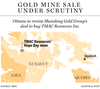
Although TMAC has struggled to achieve profitability, it has built considerable infrastructure including a port and an airstrip, as well as a processing plant. Its strategic infrastructure has drawn attention to — and criticism of — China’s growing presence in the Canadian Arctic.
“If you look at it from a security and military point of view, the concerns would be they have physical assets on the ground in the Arctic,” said Pierre Leblanc, a private consultant with military experience in the Arctic, who advises mining corporations.

The mine’s infrastructure could allow China to service ships using Arctic waters, the port could be used to bring large equipment into North America, and serve as a spot to covertly monitor conversations or Canada’s early warning radar system that is based in the Arctic, Leblanc said. Still, the government could monitor the site and these concerns need to be weighed against the economic benefits of an operating mine including the jobs and tax income it provides, he said.
TMAC had previously indicated that Ottawa was considering whether to review the transaction. On Thursday, TMAC said in a press release that the review would occur under the Investment Canada Act and expects it to conclude by the first quarter of next year.
“We expected that there probably would be a national security review,” Jason Neal, chief executive of TMAC, told the Financial Post.
If you look at it from a security and military point of view, the concerns would be they have physical assets on the ground in the Arctic
Pierre Leblanc
Zarah Malik, a spokesperson for the Ministry of Public Safety, which is conducting part of the review, initially said she would provide comment, but then deferred questions to the Ministry of Innovation, Science and Economic Development, which did not respond to questions by the time of publication.