

/cloudfront-us-east-1.images.arcpublishing.com/tgam/67XKAZQARJKT3JD3K7VDVZC7MA.jpg)
Hello,
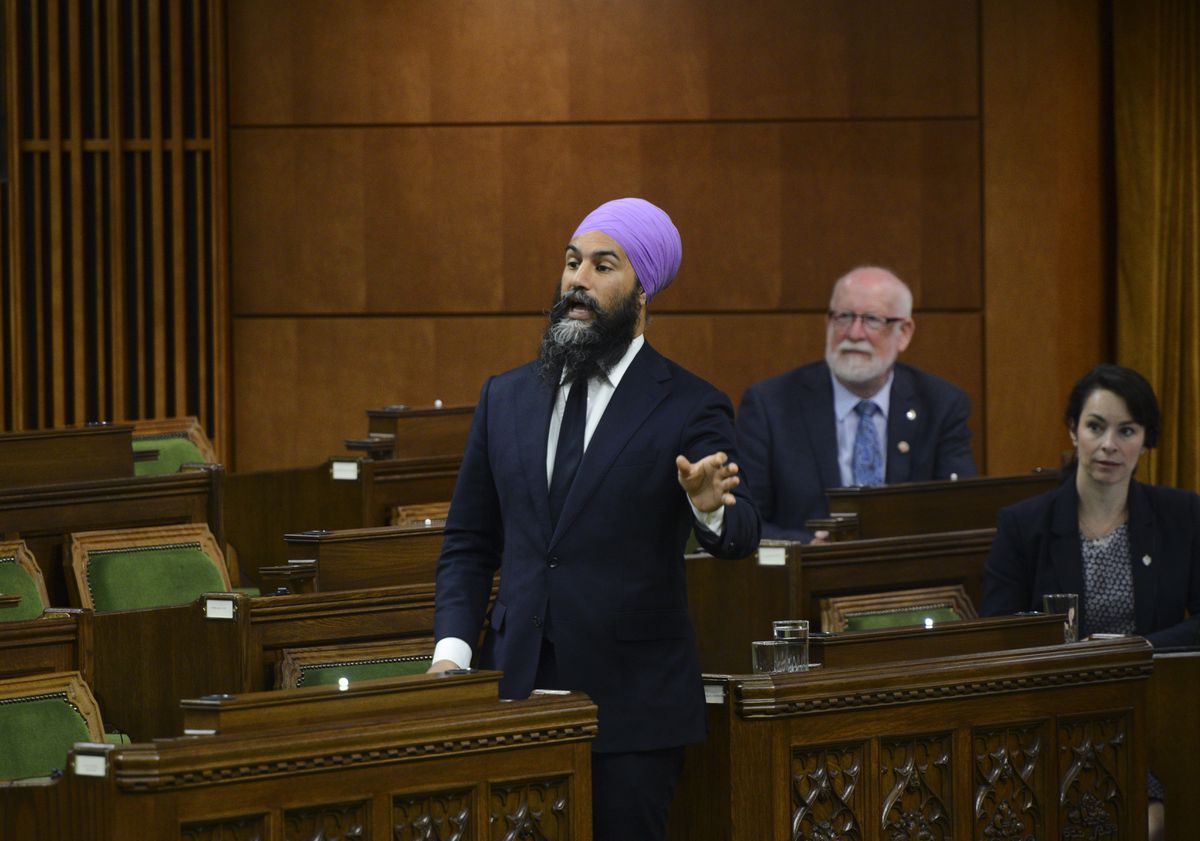
Today sees a rare occasion for the House of Commons in the past year: it’s actually sitting. It’ll be the 39th time that’s happened in the past 12 months. (That count does not include the days in which the special COVID-19 committee has convened, during which legislation is not debated.)
After that, the House is currently scheduled to sit one more day (next Wednesday) then rise until late September. The procedure and House affairs committee is still examining what will happen when MPs return – such as whether there could be more frequent sittings with remote voting – and is to report back by June 23.
This is the daily Politics Briefing newsletter, written by Chris Hannay. It is available exclusively to our digital subscribers. If you’re reading this on the web, subscribers can sign up for the Politics newsletter and more than 20 others on our newsletter signup page. Have any feedback? Let us know what you think.
TODAY’S HEADLINES
The government is introducing today a bill that gives new penalties to fraudulent emergency-benefit claims – something that policy experts say is odd, given the penalties are retroactive.
The federal government’s rent-relief program has not had much uptake among small businesses, and apparently neither has a $20-billion co-lending program meant to ensure banks continue providing loans to small- and medium-sized businesses.
The Liberal government first announced a $25-million fund for Black community groups more than a year ago and has reannounced it since then, but very little of the money has actually flowed to organizations yet.
Former Bank of Canada governor Stephen Poloz has snagged a second postretirement gig on the board of consulting firm CGI Inc.
Assembly of First Nations national chief Perry Bellegarde says Indigenous communities should be allowed to keep their borders closed to limit the spread of the novel coronavirus.
Prominent veterans advocate Sean Bruyea has settled a defamation suit with the federal government and Liberal minister Seamus O’Regan.
And Sweden says it has finally solved the 34-year-old mystery of who assassinated Prime Minister Olof Palme, but some aren’t so sure.
Shirley Phillips (The Globe and Mail) on her experiences at the highest levels of government: “However, I cannot count the number of times I’ve been told, in the friendliest way, that I got to where I did because ‘I checked so many boxes.’ Female, racialized, fluently bilingual. Notably in the economic and trade portfolios, but in most others, too, I was often the only racialized female in many rooms, at many tables. I held my own, but I’ve felt invisible, been ignored, even dismissed. I’ve been mistaken for the assistant and asked to fetch coffee, until it became clear I was actually chairing the meeting and in charge of the agenda.”
John Ibbitson (The Globe and Mail) on parliamentary accountability in the age of COVID-19: “Since minority Parliaments tend to have a shelf life of 1½ to two years, it’s entirely possible that Mr. Trudeau will take us into an election next spring, seeking a fresh mandate to govern in the wake of the pandemic. If so, the 43rd Parliament could give the 31st of 1979 – Joe Clark’s short-lived Conservative government – a run for its money as the Parliament with the fewest sitting days.”
Andrew Coyne (The Globe and Mail) on punishments for CERB fraud: “That was quite a turnaround. Was it only last month that the Liberal government was issuing memos telling its employees not to alert investigators in cases of suspected abuse of the Canada Emergency Response Benefit (CERB), but simply to cut the cheques as usual?”
Got a news tip that you’d like us to look into? E-mail us at [email protected]. Need to share documents securely? Reach out via SecureDrop