



Good Monday morning,
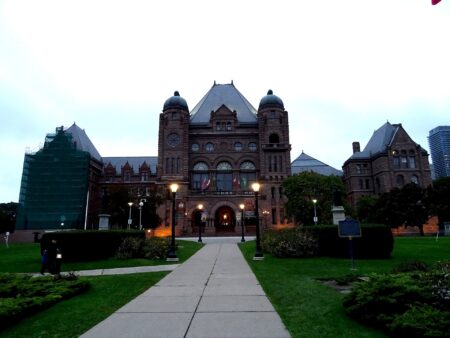
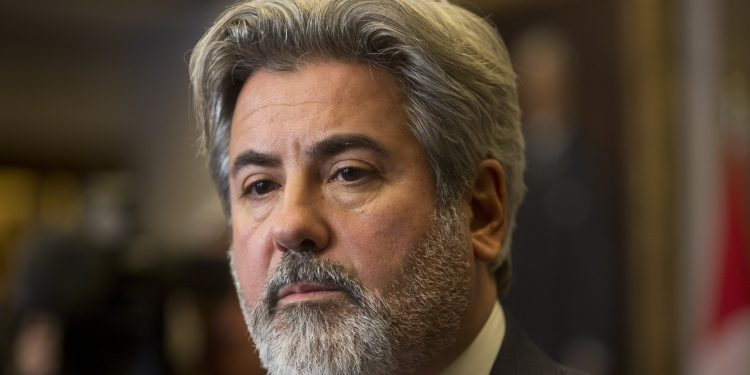
Government House Leader Pablo Rodriguez has asked Speaker Anthony Rota for advice on the possibility of convening the House virtually. “I would like advice and assistance on the ability for the House of Commons administration to support and facilitate virtual sittings of the House of Commons where it could conduct its regular business.” Since the current Standing Orders don’t allow for electronic or remote voting, Mr. Rodriguez acknowledged, there would have to be “substantial revisions” to the rulebook. The letter addressed to the Speaker, who presides over the Commons, was also copied to opposition House leaders.
The Bloc Québécois said it’s supportive of the idea of holding virtual sittings, saying in a statement that it has been calling for such measures for days to allow for opposition parties to hold the government accountable for its COVID-19 response. The Bloc also proposed some parameters under which a virtual sitting might take, including adjusting the hours MPs are normally expected to sit and that speaking times should be negotiated and reflect a party’s respective standing.
Conservative Leader Andrew Scheer last week called for increased accountability, saying that “these accountability sessions could take place via videoconference, be chaired by the Speaker, and follow House rules until MPs can meet in person.”
Though the House motion that called for its temporary suspension marked April 20 as the date Parliament would return, it appears unlikely, given expectations that physical-distancing measures will remain in place for several weeks more, that all 338 MPs will resume sitting on the Hill. NDP whip Rachel Blaney told The Hill Times last week parties were in “preliminary discussions” over how Parliament might make up for the week lost, or be allowed to return to normal.
It was also still unclear when exactly the House will be recalled to pass the feds’ enhanced wage-subsidy program. Ms. Blaney said opposition parties want to have enough time to review the bill, to avoid another late-night showdown over the government’s proposed spending powers, which it later retreated from.
The online portal to apply for the feds’ Canada Emergency Response Benefit opens today. Since the government has staggered application dates by birth months, those born between January and March are first in line. While the criteria for the CERB stipulates that the beneficiary must be at least 15 years old, some students may find themselves unable to qualify if they haven’t earned at least $5,000 in the past 12 months. It also excludes those who have voluntarily quit their jobs.
Prime Minister Justin Trudeau and Finance Minister Bill Morneau have acknowledged that the programs being rolled out may not cover everyone who stands to be affected, but have said more relief measures are in the works.
Mr. Trudeau and his team have signalled that they’re hoping that working the phones, as opposed to initiating retaliatory measures against the U.S., will help resolve the dispute over the shipment of medical supplies, particularly 3M masks, to Canada. ” I will say that we will do what is necessary to keep Canadians safe and we will do it in as constructive a way as possible,” he told reporters Sunday.
ICYMI, Dr. Theresa Tam, chief public health officer, has carved out some exceptions—in instances where one cannot practice physical distancing on public transit—for when she thinks wearing homemade masks is a “good idea.”
Queen Elizabeth wants Canadians to know that Canada is on her mind, as she acknowledged, in a statement, the difficulty of remaining hopeful “when faced with loss and uncertainty, but Canadians have many reasons for optimism, even in the most trying times.”
Later, this week, the House Finance and Health committee are expected to convene again for more virtual meetings, though times for those meetings have not yet been made public.
The Hill Times

Follow Canada News Media
Get the day's top Canadian stories and our two daily 60-second news videos wherever you scroll.
X Threads Facebook Instagram LinkedIn TikTok YouTube Pinterest Reddit Substack Flipboard Newsletter RSS