



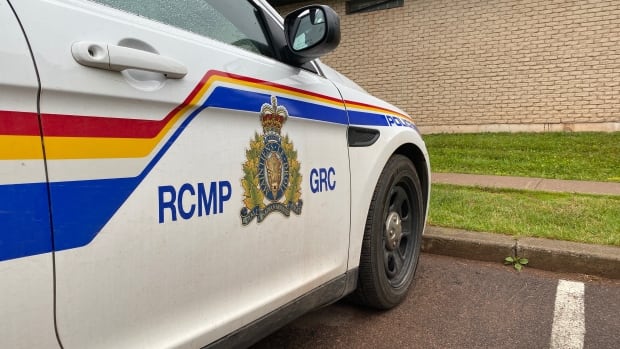
In the pursuit of justice and safety, law enforcement agencies play a pivotal role. However, when the very entities tasked with upholding the law engage in racial profiling, the pillars of trust and equity crumble. The Royal Canadian Mounted Police (RCMP), a symbol of national pride, has come under scrutiny for the alleged profiling of Black individuals. This intricate issue delves into historical legacies, systemic biases, and the profound impact on affected communities. As Canada grapples with its commitment to inclusivity and justice, it’s imperative to examine the matter of racial profiling within the RCMP and explore the voices advocating for transformative change.
To dissect the issue of racial profiling of Black individuals by the RCMP, one must contextualize it within the broader narrative of racial disparities and historical injustices. The history of slavery, racial segregation, and systemic discrimination leaves a lasting imprint on the present-day realities of Black Canadians. This historical context shapes the lens through which interactions between law enforcement and Black communities are viewed.
Modern concerns regarding racial profiling have been crystallized by compelling evidence and firsthand accounts. Reports reveal that Black individuals are disproportionately subjected to street checks, stops, and searches by the RCMP. These patterns of unequal treatment are indicative of systemic biases deeply entrenched within the fabric of law enforcement practices.
The impact of racial profiling extends beyond statistics; it affects real lives, igniting fear, mistrust, and a sense of injustice. For many Black Canadians, encounters with law enforcement are fraught with anxiety and apprehension. “As a Black man, I carry the weight of knowing that a simple interaction with the police could escalate into something life-altering,” says Marcus Johnson, a resident of Toronto.
For Cassandra Lewis, a mother, and educator, the fear extends to her children. “I worry about my sons’ safety every time they step out,” she remarks. “They should be able to walk freely without being seen as threats.”
Racial profiling is not limited to street interactions alone; it seeps into various spheres of life. This includes disproportionate surveillance and scrutiny faced by Black individuals in areas such as transportation and retail spaces. These experiences cultivate an environment where Black individuals are continually perceived as potential suspects.
Professor Jessica Williams, a scholar specializing in racial profiling, underscores, “Profiling has far-reaching consequences. It perpetuates stereotypes, disrupts communities, and undermines the principles of justice and fairness.”
Quantifiable data paints a stark picture of the extent of profiling. A study by the Ontario Human Rights Commission found that Black individuals in Toronto are over 20 times more likely to be fatally shot by the police than their white counterparts. This staggering disparity underscores the gravity of the issue. Dr. Karen Brown, a criminologist, asserts, “These figures demand a critical examination of the police practices and structural biases that lead to such tragic outcomes.”
Against this backdrop, discussions about racial profiling extend to the fundamental question of accountability and the role of law enforcement agencies in combating systemic racism.
The call for change reverberates from both grassroots movements and established organizations. Advocacy groups like Black Lives Matter have played a pivotal role in pushing the issue of racial profiling to the forefront of public discourse. Their efforts have led to increased awareness, challenging the broader society to confront the uncomfortable truths about systemic racism.
Desmond Cole, a prominent activist, and journalist, asserts, “We need to hold the RCMP accountable for their actions. Racial profiling is a grave violation of human rights that we cannot ignore.”
Amidst the challenges, there are glimmers of hope and avenues for transformation. Calls for body cameras, enhanced training in cultural sensitivity, and greater transparency in data collection have gained traction as potential measures to address racial profiling. Professor Maria Hernandez, an expert in criminal justice reform, highlights the importance of “inclusivity training for officers that goes beyond the surface and delves into the history of systemic racism.”
Community engagement also emerges as a key solution. Initiatives that facilitate dialogue between law enforcement and Black communities can foster mutual understanding and bridge the chasm of mistrust. Constable Sarah Thompson, an advocate for change within the RCMP, states, “Open conversations are the first step towards healing the rift. We need to listen to the concerns of Black communities and work collaboratively.”
The issue of racial profiling of Black individuals by the RCMP is a multifaceted challenge that requires comprehensive solutions. Its roots in history, perpetuation through systemic biases, and impact on affected communities necessitate a collective effort toward transformative change. By acknowledging the voices and experiences of those affected, embracing accountability, and adopting proactive measures for reform, Canada can take a meaningful step towards creating a more equitable and just future – one where the RCMP serves as a beacon of safety for all its citizens, regardless of their race.
Follow Canada News Media
Get the day's top Canadian stories and our two daily 60-second news videos wherever you scroll.
X Threads Facebook Instagram LinkedIn TikTok YouTube Pinterest Reddit Substack Flipboard Newsletter RSS