


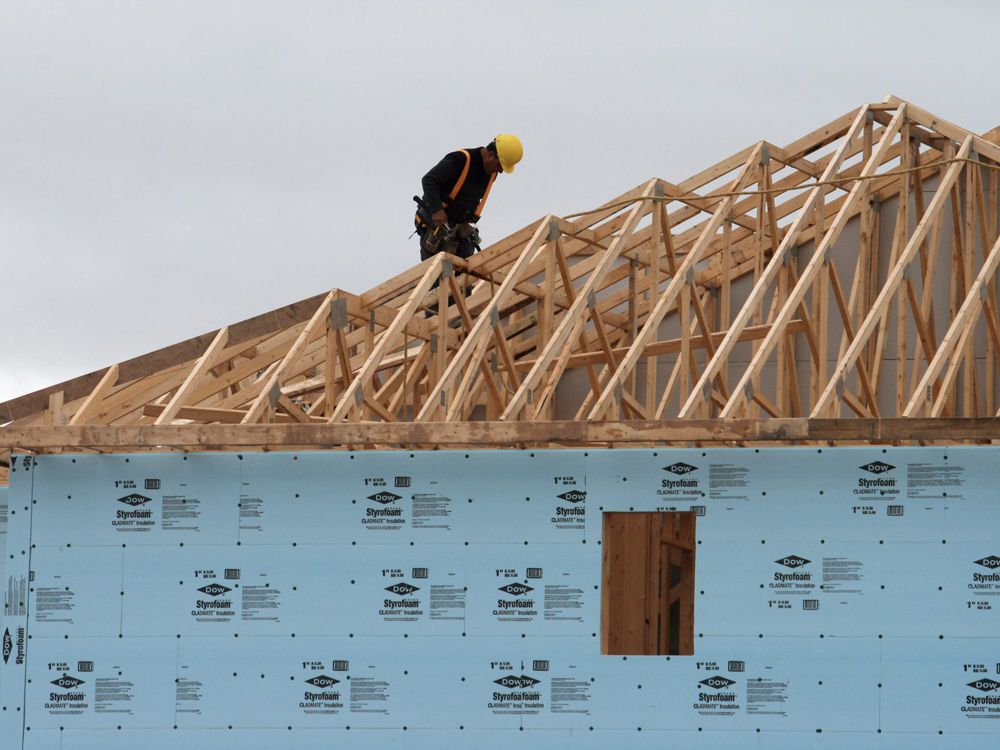
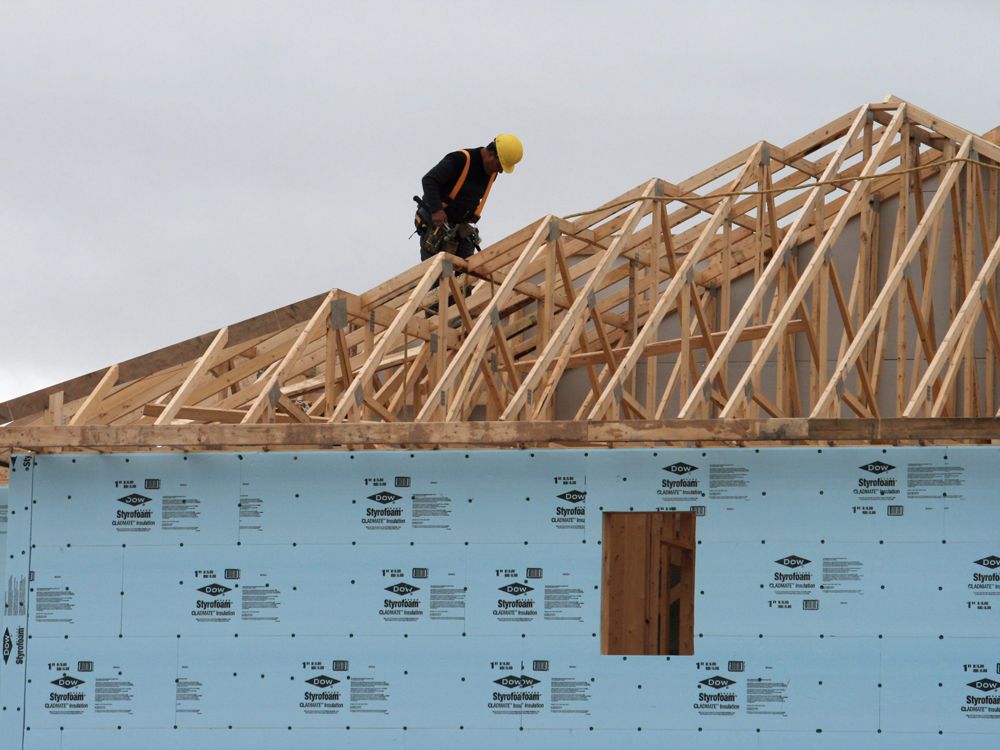
For the fourth month in a row, investment in Canadian residential construction declined in June, dropping by 4.5 per cent from May to settle at $12.1 billion. According to data released Aug. 18 by Statistic Canada, it’s not just homes feeling the pinch either. Non-residential construction, encompassing everything from office spaces to factories, also saw a slight decrease of 0.2 per cent, dropping to $5.9 billion month over month.
The agency identified an overall decline of 5.2 per cent, reducing the total investment to $55.7 billion. This decrease was attributed solely to an 8.2 per cent drop in residential construction, which lowered the value in that sector to $37.9 billion.
Results for the entire second quarter were also poor, with the release identifying single-family and multi-unit homes a key contributors to the decline.
“Investment in single family homes fell 10.5 per cent to $19.7 billion in the second quarter, the largest decline since the second quarter of 2020,” the release said. “Multi-unit construction declined for the third straight quarter, falling 5.7 per cent to $18.2 billion.”
Non-residential investment showed a spark of resilience in the quarter, inching up 1.8 per cent to $17.8 billion. This marks a tenth consecutive quarterly increase in this segment. Within this category, investment in industrial buildings surged 5.6 per cent to $3.7 billion. Commercial construction, too, experienced an upswing, growing 1.7 per cent to reach $9.8 billion.
In June 2022, the Canada Mortgage and Housing Corporation (CMHC) determined that Canada must accelerate the pace of construction to build 3.5 million additional new homes by 2030 to eliminate problems with affordability. At present, the country is building 200,000 to 300,000 new units annually, and would need to more than double that number to reach the CMHC’s target, but recent data shows residential construction has instead been on the decline.