

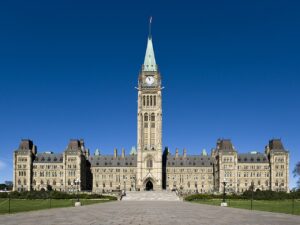

In Canada, the stark contrast between rural and urban economies has become increasingly pronounced. While urban centers like Toronto, Vancouver, and Montreal continue to flourish, rural communities struggle with stagnation, job losses, and demographic challenges. As COVID-19 reshaped economic landscapes, these disparities have only deepened, sparking essential conversations about policy, community support, and Canada’s economic future.
The Urban Economic Boom
Urban areas have seen a robust recovery post-COVID-19, driven by technology, finance, and service sectors. According to Statistics Canada, cities constitute over 70% of the country’s GDP, and urban job markets are experiencing a significant upturn. In 2022, cities like Vancouver and Toronto reported unemployment rates well below the national average, fueled by a resurgence in industries such as information technology and creative services.
“The urban economy thrives on innovation and talent attraction,” explains Dr. Elizabeth Cooper, an economist at the University of Toronto. “Cities are hubs for networking, investment, and business development, which naturally creates a more dynamic labor market.”
Demographics and Migration
Urban areas also benefit from dynamic demographic trends. Many young professionals migrate to cities, drawn by job opportunities, cultural attractions, and amenities. The 2021 Census revealed that Canada’s urban population grew by 5.3% over five years, compared to just 1.6% in rural areas. This influx of talent supports economic growth, but also the rising cost of living and increased demand for housing.
The Challenges of Rural Economies
In stark contrast, rural communities face mounting challenges including declining populations, insufficient job opportunities, and aging demographics. According to the Rural Development Network, over 60% of rural areas reported significant population declines in the past decade, driven by youth migration to urban centers. This rural-urban divide raises pressing questions about sustainability and economic viability.
“Rural Canada is often overlooked, yet it provides critical resources like agriculture and natural materials,” says Dr. Thomas Hughes, a researcher in regional development. “However, these industries are under threat, facing challenges like climate change, automation, and supply chain disruptions.”
Economic Diversification: A Key Challenge
Many rural economies remain reliant on traditional sectors such as forestry, agriculture, and mining. These industries, although significant, face challenges due to globalization and technological advancement that threaten jobs. The need for diversification becomes evident as rural areas grapple with economic resilience. For instance, the Agricultural Policy Framework emphasizes innovative agricultural practices. However, the adaptation to new technologies often proves daunting for local farmers, complicating efforts to modernize.
Community Resilience and Policy Interventions
Efforts to bridge the gap between rural and urban economies are essential. Government initiatives such as the Rural Economic Development Strategy aim to create job opportunities and stimulate growth in underserved areas. Additionally, investments in infrastructure, education, and technology can help rural communities compete more effectively.
“We need to rethink our approach to rural development,” asserts Jessica Lee, Director of Policy at the Canadian Rural Business Network. “Fostering entrepreneurship, enhancing connectivity, and supporting local talents can ignite new economic opportunities.”
Success Stories Across Canada
Some rural regions have found success in adopting innovative approaches. For instance, the small town of Brandon, Manitoba, has embraced technology in agriculture, creating a thriving agri-tech sector that attracts talent and investment. Similarly, regions like West Kootenay in British Columbia have capitalized on eco-tourism, transforming challenges into unique economic opportunities.
Looking Forward: Bridging the Gap
The need to address the diverging economic trends between rural and urban areas is paramount. Policymakers and stakeholders must prioritize balanced growth strategies that harness the strengths of both economies while considering the unique challenges each faces. A cooperative approach can create a more inclusive economic framework that benefits all Canadians.
In conclusion, as Canada navigates the complexities of economic recovery and transition, understanding the diverging trends between rural and urban landscapes is vital. By fostering collaboration and ensuring equitable investment, the nation can work towards a shared prosperity that incorporates the diverse experiences and needs of all its citizens.
Sources: Statistics Canada, Rural Development Network, Canadian Rural Business Network, University of Toronto Research, 2021 Census.
Related Products
Follow Canada News Media
Get the day's top Canadian stories and our two daily 60-second news videos wherever you scroll.