


Following is a summary of current science news briefs.
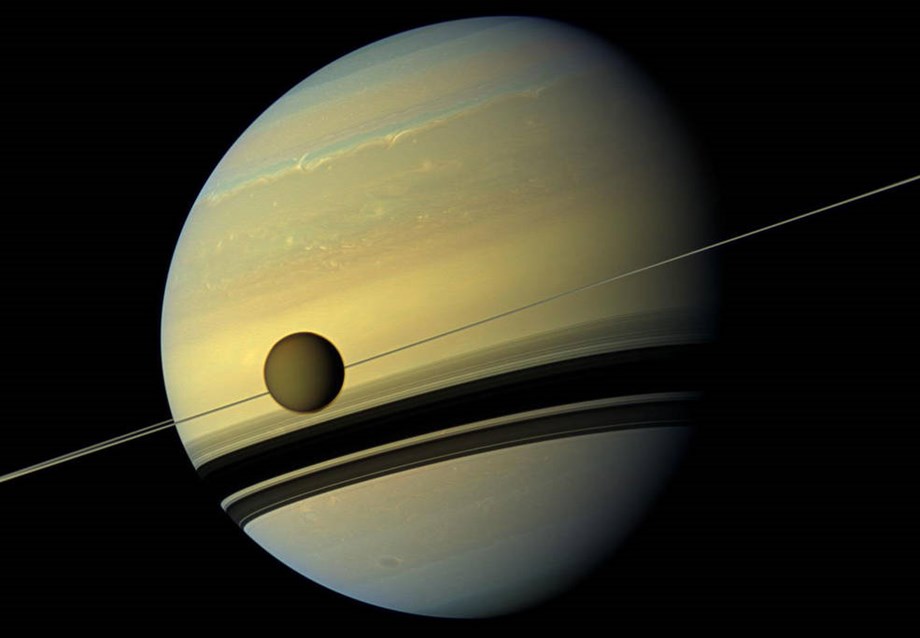
Saturn’s icy moon Enceladus harbors essential elements for life
High concentrations of phosphorus, an essential element for all biological processes on Earth, have been detected in ice crystals spewed from the interior ocean of Saturn’s moon Enceladus, adding to its potential to harbor life, researchers reported on Wednesday. The discovery was based on data collected by NASA’s Cassini spacecraft, the first to orbit Saturn, during its 13-year landmark exploration of the gaseous giant planet, its rings and its moons from 2004 to 2017.
Virgin Galactic plans first commercial space service for June; shares take off
Virgin Galactic Holdings, the space tourism firm founded by Richard Branson, said on Thursday its long-awaited commercial spaceflight service would launch later this month, sending its shares up over 55% in trading after the bell. The first spaceflight, called “Galactic 01”, is planned between June 27 and June 30, the company said.
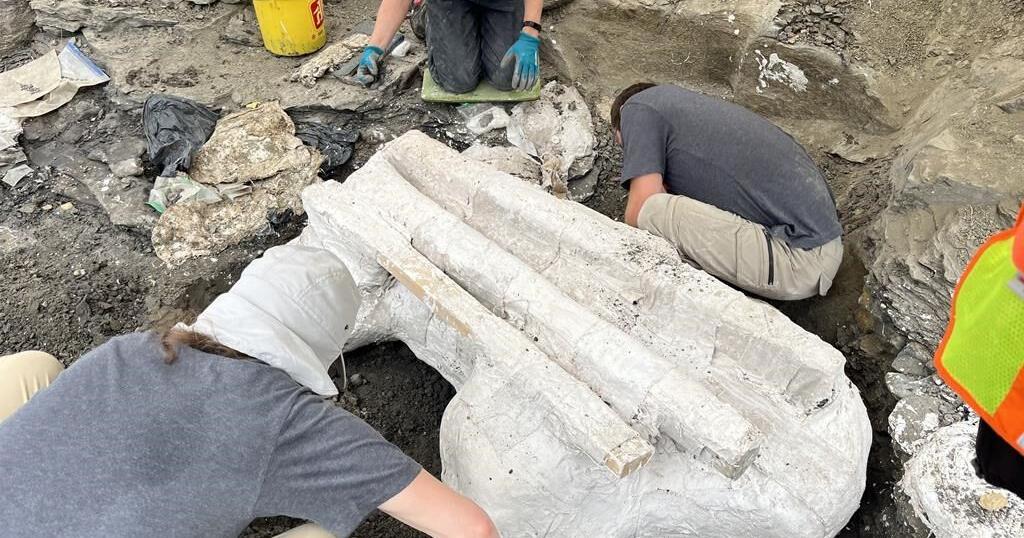
Scientists discover duck-billed dinosaur roamed Chile 72 million years ago
A duck-billed herbivorous dinosaur roamed the ancient and remote river plains of Patagonia in southern Chile some 72 million years ago, a new study revealed on Friday. Scientists have dubbed the dinosaur Gonkoken nanoi and say it weighed up to a metric ton and could grow to 4 meters (13.12 feet) in length according to the study published in Science Advances.
(With inputs from agencies.)