


“We are giving (oncologists) a tool that allows them to make an informed decision that ultimately leads to a better outcome and a higher quality of life for patients.”
It is called a liquid biopsy and researchers in Kingston say they believe the blood test they have developed can save breast cancer patients from unnecessary tests and treatment while allowing doctors to find the most effective therapy more quickly.
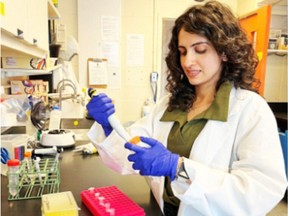
If approved, the test could both extend the lives of metastatic breast cancer patients and improve their quality of life, says Irsa Wiginton, the Kingston-based researcher who won an award from Mitacs, a non-profit Canadian research organization that aims to build partnerships among academics, industry and governments, for the work.
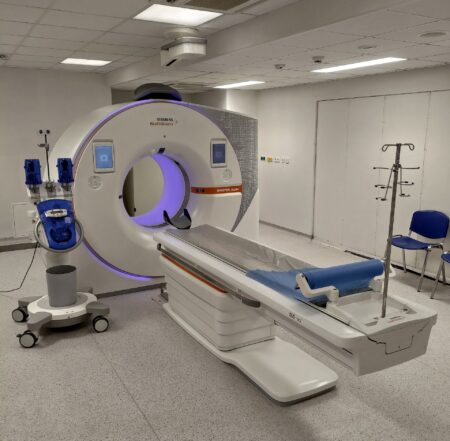
Oncologists currently use CT scans to determine whether specific treatments for metastatic breast cancer are working. The scans, which deliver significantly more radiation than X-rays, are used sparingly, meaning patients and oncologists wait around three months after a treatment has begun to see if it is working. It can take up to 18 or 24 months to cycle through available treatments and find the best one for individual patients.
“Unfortunately, people with metastatic breast cancer don’t have a good prognosis … so there is no time to waste when it comes to determining their most effective course of treatment,” she says.
“We are giving (oncologists) a tool that allows them to make an informed decision that ultimately leads to a better outcome and a higher quality of life for patients.”
Oncologists have been asking for something like this test, says Chris Mueller, senior scientist and professor at the Cancer Research Institute at Queen’s University and principal investigator in the Queen’s lab that developed the test. He is president and founder of mDetect, the company created to market the test. Wiginton, a post-doctoral researcher, is the company’s business development officer.
“(Oncologists) are really very blind to what they are doing. It takes a long time to get results from CT scans,” he says. “You don’t want to wait three months on a drug that is doing you no good and has toxic side effects.”
Researchers are hoping 150 patients from Kingston and The Ottawa Hospital will participate in the clinical trial, which could take three years. Oncologists will help enrol patients who are a good fit for the research. Mueller says researchers should have a good indication of how well the test works, compared to CT scans, before that.
The test measures DNA in blood that indicates whether metastatic breast cancer is growing or shrinking.
The development of so-called liquid biopsies is an expanding field, Mueller says, including for monitoring lung cancer.
Already, he says, its potential benefits are clear.
“I think one of the big things is that we are really going to reduce the side-effects that women are experiencing. If we can do that, they are going to have a better quality of life.”
Wiginton is one of five winners of the Mitacs Entrepreneur award who are recognized for their efforts to turn their research into an innovative business that helps Canadians.
That support helped Wiginton, a scientist, learn skills required to be an entrepreneur, she says.

Follow Canada News Media
Get the day's top Canadian stories and our two daily 60-second news videos wherever you scroll.
X Threads Facebook Instagram LinkedIn TikTok YouTube Pinterest Reddit Substack Flipboard Newsletter RSS