

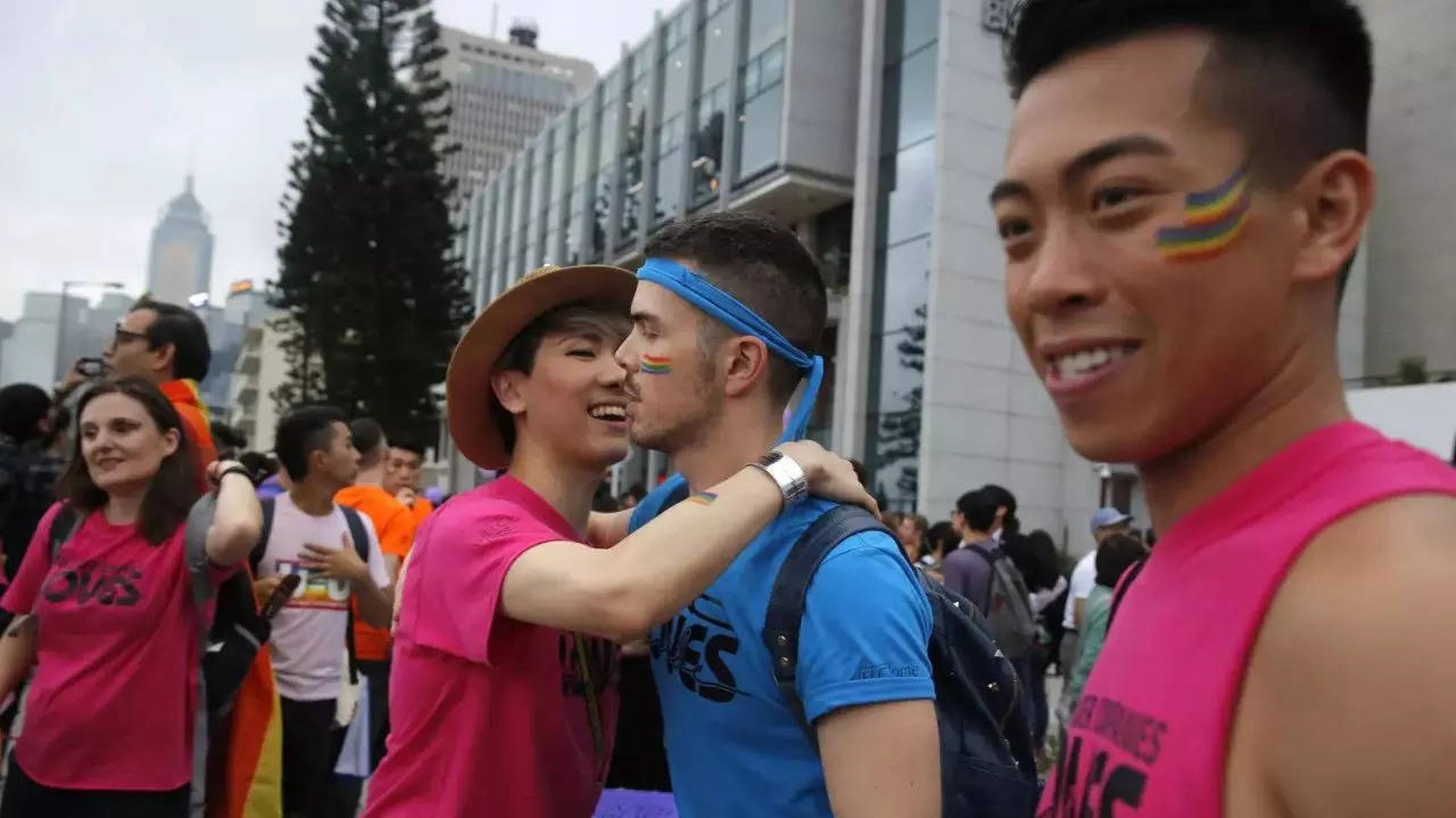
Singapore, Republic of Singapore- Prime Minister Lee Hsien Loong, has announced that the Asian country will soon decriminalize same-sex relations.
During his speech at the annual National Day Rally on Sunday, Lee said he believed it is the right thing to do now as most Singaporeans now accept it.
“Private sexual behaviour between consenting adults does not raise any law and order issue. There is no justification to prosecute people for it nor to make it a crime. All groups should exercise restraint because that is the only way we can move forward as a nation together.
We need to find the right way to reconcile and accommodate both the traditional mores of our society, and the aspiration of gay Singaporeans to be respected and accepted. I believe (repeal) is the right thing to do, and something that most Singaporeans will now accept. This will bring the law into line with current social mores, and I hope, provide some relief to gay Singaporeans. I hope the new balance will enable Singapore to remain a tolerant and inclusive society for many years to come,” said the Prime Minister.
There have been no known convictions for sex between consenting adult males for decades and the law does not include sex between women or other genders but under Section 377A, offenders can be jailed for up to two years, but it is not currently actively enforced.
Section 377A of the Penal Code was introduced under British colonial rule in the 1930s. British rule over the island ended in 1963 when Singapore became the State of Malaysia. It became independent two years later but retained the Penal Code, which made sex between men punishable by up to two years in jail.
Since 2007 when Parliament last debated whether to repeal Section 377A, its position was to keep the law but not enforce it.
Over the past few years, several 2SLGBTQIA+ groups in Singapore have brought multiple legal challenges trying to get the controversial law thrown out, but none have succeeded.
However, Lee did not announce a date for the repeal and despite his confidence that most Singaporeans would accept the news, 44 percent of Singaporeans polled by Ipsos in June still supported the ban, though that figure had dropped from 55 percent in 2018.
There has also been considerable resistance to normalizing homosexuality among some of the religious groups who call Singapore home, including Muslims, Catholics, and Protestants. However, religious leaders have remained neutral on this latest move.
Follow Canada News Media
Get the day's top Canadian stories and our two daily 60-second news videos wherever you scroll.
X Threads Facebook Instagram LinkedIn TikTok YouTube Pinterest Reddit Substack Flipboard Newsletter RSS