


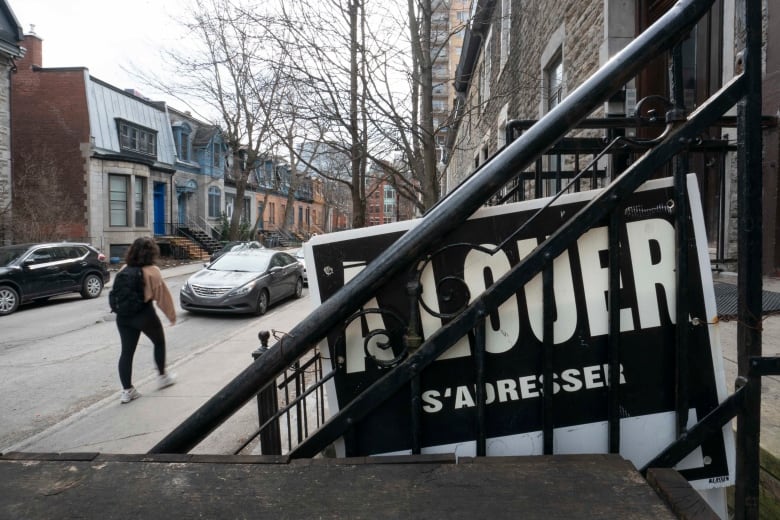
Housing is more than just shelter—it is a fundamental human right. Yet in Canada, access to adequate housing remains deeply unequal, particularly for Black, Indigenous, and other racialized communities.
The systemic racism embedded in Canada’s housing market manifests in multiple ways: from rental discrimination and mortgage denials to the gentrification of racialized neighborhoods and the disproportionate impact of homelessness. The issue is further exacerbated by the fact that racialized communities face lower wages, employment discrimination, and historic housing policies that have excluded them from homeownership opportunities.
“Housing discrimination isn’t just about landlords rejecting Black or Indigenous tenants,” says Leilani Farha, former UN Special Rapporteur on the Right to Housing. “It’s about a system that actively excludes racialized people from safe, stable, and affordable housing.”
This article examines how systemic racism fuels Canada’s housing crisis, how government policies have historically marginalized racialized communities in the housing market, and what advocates are doing to push for real change and housing justice.
A History of Housing Discrimination in Canada
The racial inequalities in Canada’s housing system did not appear overnight. Discriminatory housing policies and exclusionary practices have existed for centuries, particularly impacting Indigenous peoples, Black Canadians, and racialized immigrants.
Segregation and Housing Discrimination Against Black Canadians
Throughout the 20th century, Black Canadians faced racist housing policies that restricted their ability to own homes in certain neighborhoods.
“In cities like Halifax, Black communities were systematically displaced,” says Dr. Afua Cooper, historian and author of The Hanging of Angélique. “Africville, a thriving Black settlement, was demolished in the 1960s under the guise of ‘urban renewal,’ but it was really a form of racialized displacement.”
Black Canadians were also denied mortgages and forced to live in segregated areas, a practice that continued well into the 1970s.
“We have inherited a housing system that was never designed for us,” says Desmond Cole, journalist and author of The Skin We’re In. “Black people were historically excluded from homeownership, and today, we are still feeling the impact.”
Indigenous Housing Dispossession and Government Neglect
Indigenous communities have long suffered from government-imposed housing policies that forced displacement and chronic underfunding.
“Colonialism never ended—it just changed form,” says Pamela Palmater, Mi’kmaq lawyer and Indigenous rights advocate. “Many Indigenous people are still fighting to get basic housing, whether on reserves or in urban centers.”
According to a 2022 report by the Assembly of First Nations, nearly 40% of on-reserve housing is overcrowded, unsafe, or lacking basic utilities. Indigenous people also face higher eviction rates, homelessness, and rental discrimination.
Housing Barriers for Racialized Immigrants
Canada’s immigration system encourages newcomers to settle in urban centers, yet racialized immigrants face systemic barriers in accessing housing.
“Landlords ask us for ‘Canadian references,’ even when we have perfect rental histories in our home countries,” says Adeola Akintunde, a Nigerian immigrant in Toronto. “It’s a coded way of saying they don’t want to rent to racialized people.”
Many landlords also engage in racial profiling, denying rentals to newcomers from Africa, South Asia, and the Middle East, while accepting white European tenants with similar financial backgrounds.
Rental Discrimination: A Silent Epidemic
Racialized renters in Canada face higher rejection rates, increased rental scrutiny, and disproportionate eviction rates compared to white renters.
A 2021 study by the Canadian Centre for Policy Alternatives (CCPA) conducted a test where applicants with identical qualifications but different racial backgrounds applied for the same apartments. Black and Indigenous renters were 25% more likely to be denied housing, while applicants with Muslim-sounding names faced rejection rates as high as 35%.
“This is systemic racism in action,” says Shalini Konanur, Executive Director of the South Asian Legal Clinic of Ontario. “When landlords discriminate against racialized tenants, they are denying them access to stable housing, which impacts their employment, education, and overall well-being.”
The problem worsens when racialized tenants are forced into substandard housing, often in overpriced, neglected rental units with landlords who refuse to maintain their properties.
“Many landlords know they can take advantage of racialized renters because we have fewer options,” says Saira Patel, a housing rights advocate in Vancouver. “It’s exploitation, plain and simple.”
Homeownership and Mortgage Discrimination
Even for those who have the financial means, racialized Canadians face barriers in buying homes. Studies show that Black and Indigenous homebuyers are more likely to be denied mortgages or given higher interest rates compared to white applicants.
A 2023 study by the Bank of Canada found that Black Canadians had 20% lower mortgage approval rates than white applicants with similar income and credit scores. The numbers were even worse for Indigenous homebuyers.
“The financial system is built on racialized inequality,” says Sandy Hudson, co-founder of the Black Lives Matter movement in Canada. “Even when we ‘do everything right’—get an education, save for a home—we still face discrimination.”
Gentrification: Pushing Racialized Communities Out
Gentrification is another key factor in Canada’s systemic housing crisis. As urban centers rapidly develop, many racialized communities are being pushed out of their own neighborhoods.
“In cities like Toronto and Vancouver, historically Black and immigrant communities are being displaced to make way for wealthier, mostly white homeowners,” says Lezlie Lowe, author of No Place to Go: How Public Toilets Fail Our Private Needs.
This pattern is seen in areas like Regent Park in Toronto and Hogan’s Alley in Vancouver, both of which were once thriving Black and immigrant communities before they were redeveloped and gentrified.
“We are losing our cultural spaces,” says Liban Hussein, a Somali community leader in Toronto. “The places where we built our businesses, where we raised our families—are being taken away.”
What Needs to Change?
Housing advocates are calling for urgent policy reforms to address systemic racism in the housing market, including:
- Stronger Anti-Discrimination Laws – Strengthening laws that prohibit rental and mortgage discrimination, with real penalties for violators.
- Affordable Housing Investments – Increased funding for public housing, rental subsidies, and Indigenous housing programs.
- Gentrification Protections – Implementing policies that protect low-income racialized communities from displacement.
- More Black and Indigenous Homeownership Programs – Expanding access to low-interest mortgages and first-time homebuyer incentives for marginalized groups.
- Tenant Protections and Rent Control – Strengthening protections to prevent racialized renters from being unfairly evicted or overcharged.
“We need systemic change—not just individual cases being fought in human rights tribunals,” says Leilani Farha. “Housing is a human right, and Canada must start treating it that way.”
The Fight for Housing Justice
Systemic racism in Canada’s housing market is not a historical issue—it is a present-day crisis. From rental discrimination and mortgage denials to gentrification and homelessness, racialized communities continue to bear the brunt of housing inequality.
If Canada is to live up to its commitment to equity and inclusion, it must confront the racism embedded in its housing system and enact real reforms to ensure equal access to housing for all.
“The fight for racial justice is the fight for housing justice,” says Desmond Cole. “And until every person, regardless of their race, can access safe and affordable housing, Canada is failing its people.”
Follow Canada News Media
Get the day's top Canadian stories and our two daily 60-second news videos wherever you scroll.
X Threads Facebook Instagram LinkedIn TikTok YouTube Pinterest Reddit Substack Flipboard Newsletter RSS