



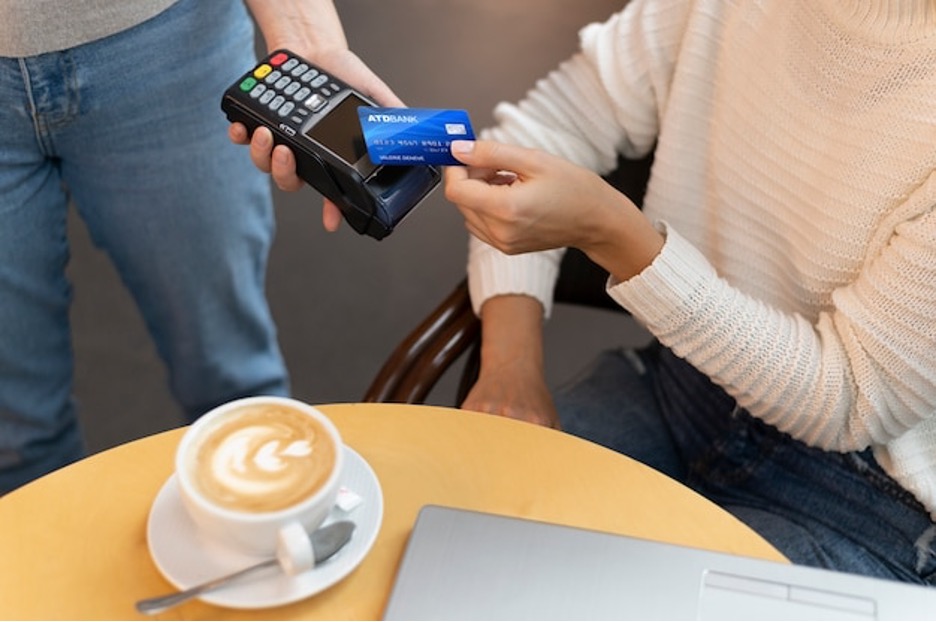
When you’re up against economic giants like inflation and wage stagnation, a small splurge seems insignificant. So, you say “why not” to the lattes, the takeout dinners, and the concert tickets to your favourite artist.
Let’s set the record straight — the occasional splurge won’t make or break the average budget. But the belief that none of your spending matters is dangerous. Apathy can make you ignore the warning signs, focusing on the thrill of indulging in your wants rather than building a strong financial foundation.
If you constantly spend money, small financial decisions can have a bigger impact than you realize. They add up to an enormous bill that you might not be able to cover. Next thing you know, you’re living paycheque to paycheque, without savings, and worried about the future.
5 Ways to Stop Spending Money on the Little Things
Having the discipline to say no to these small, everyday splurges is tough. Here are some simple, no-nonsense ways you can ignore the temptation to splurge.
1. Create a Budget
A good budget will make room for fun spending. Giving yourself permission to indulge in a little treat now and then can make following the stricter elements of your budget more tolerable.
Figuring out how much you can afford to splurge is easy when you follow the 50/30/20 budget. It reserves 30 percent of your take-home pay for the fun stuff, provided you can cover your essentials and regular bills with 50 percent of your net income.
You might have to tweak these percentages to reflect your unique lifestyle, but this budgeting method provides you with a basic template.
2. Automate Savings
Automate your savings as soon as you get paid. This eliminates any chance you might accidentally spend the money earmarked for savings on splurges.
Building an emergency fund is one of the best things you can do in the face of those big economic forces, like inflation and interest rates. Under inflation, everything costs more, including the unexpected, so your next surprise car repair or prescription may take a big chunk of change.
Many people supplement their emergency funds with lines of credit just in case their next emergency costs more than they have set aside. If you don’t have one already, check out a website like Fora. A Fora Credit line of credit may give you some peace of mind, knowing you have a safety net backing you up if approved.
3. Know Your Triggers
Everybody has their unique weaknesses. Whether yours is kitchen gadgets or sneakers, you need to know your biggest temptations. Naming your spending weaknesses can help you be more mindful in situations where you might be exposed to them. You can even start to avoid situations where you might be exposed to these triggers.
4. Be Aware of Technology
Today’s technology enables spending money. If you have a mobile wallet on your smartphone, you can pick up lunch on your way from a run, even if you forget your wallet. Your browser can remember your payment details, so you can purchase something with just one click.
If you can, delete these details from your phone and computer. Having to remember to bring your wallet creates a barrier to spending. It can give you enough time to reconsider what you’re buying.
5. Sleep on Purchases
Make it a rule that you can’t buy something without waiting at least 24 hours — whether it’s a small cup of coffee or a bigger splurge on clothes. Use this full day to contemplate if you really need this item. In most cases, the urge to spend will pass after a good night’s sleep.
Follow Canada News Media
Get the day's top Canadian stories and our two daily 60-second news videos wherever you scroll.
X Threads Facebook Instagram LinkedIn TikTok YouTube Pinterest Reddit Substack Flipboard Newsletter RSS