


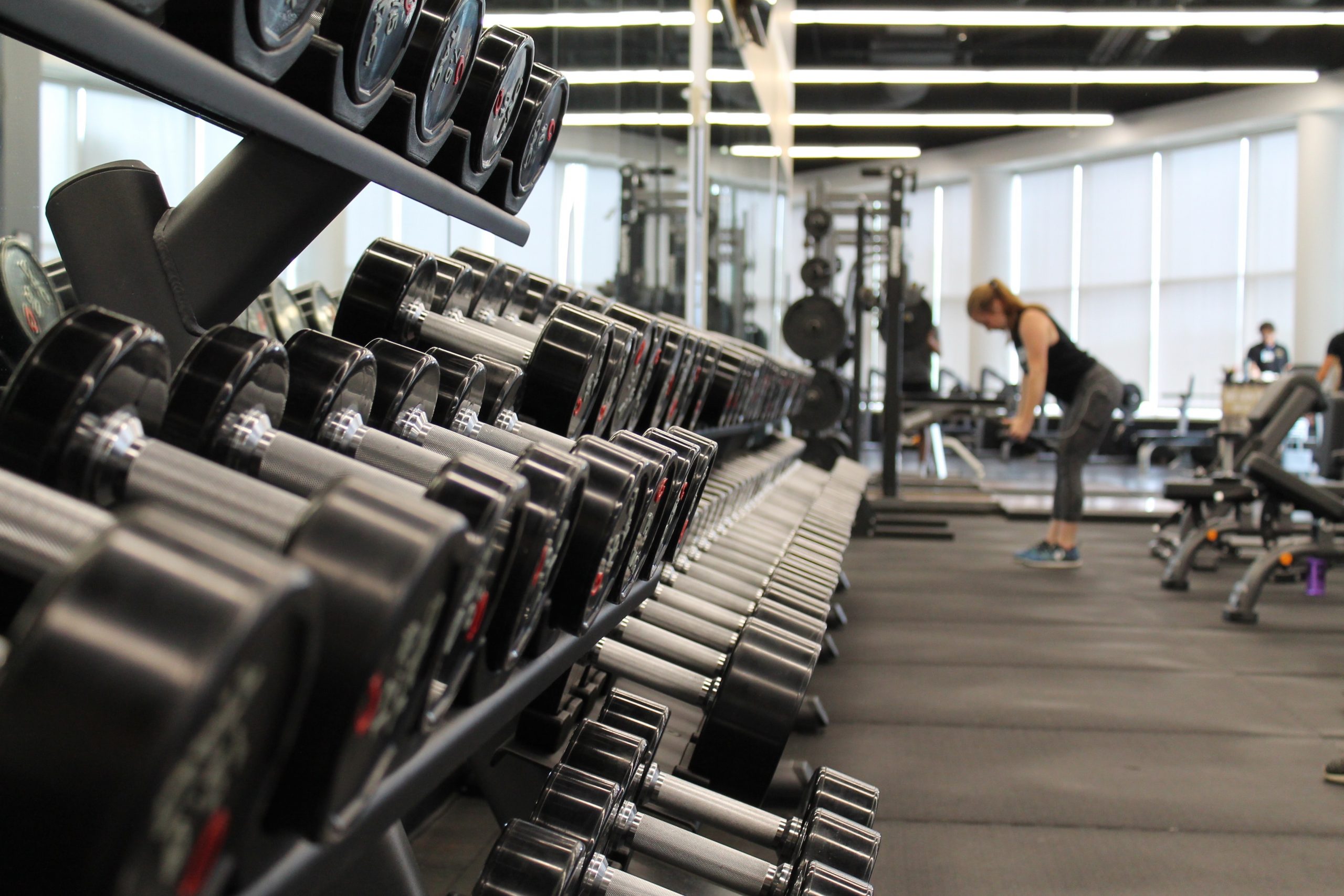
Exercising and going to the gym involves preparation. There’s time and effort dedicated to warming up, preparing it for a workout. There’s time and effort dedicated to recovery, preparing it for the next workout. It is all about preventing injury, ensuring that your body is okay and ready for optimal performance. The areas of your body which gym goers sometimes neglect in this cycle of warm up, workout, and recovery are their teeth and jaws. A bit of a left-field observation and a comment which many might raise their eyebrows at but it’s true. The teeth and jaw are often not even afterthoughts.
Teeth Grinding and Jaw Clenching
People who lift weights clench their jaws or grind their teeth. It’s often a reaction to the stress of the activity. When we lift heavy weights, we are often activating a lot of muscles. There are the more obvious ones we are using to actually lift – more often than not: triceps, biceps, quads, etc. There are the less obvious ones which we use to supplement the core action. Clenching our jaw and/or grinding our teeth – otherwise known as bruxism – fall into the latter category. Experts suggest that bruxism can increase strength and power to enable better performance on lifts and other activities. There’s a reason we do it. However, it can cause oral issues.
Dental Problems
Dentists around the world see the same issues when gym goers clench their jaw and grind their teeth. The load put on and expressed through them have typical effects.
Let’s begin with the jaw. When you clench your jaw you should notice it won’t be fully aligned. It’ll lean one way. This can cause an uneven wear in your teeth. However, there are other issues more directly related to the jaw. Arthritis can occur due to strain and bone degradation or TMJ disorder can develop, also known as TMD. This disorder, according to a leading Calgary dental clinic, can cause issues like dizziness, which will further affect sporting performance. Nerve damage could also be a problem, whereby nerves in your jaw become inflamed and damage which can even extend to causing some neck pain.
Teeth face similar trauma. The pressure on your teeth can result in chips and cracks. Robert Herbst, a world powerlifting champion, claimed one of his teeth exploded in a world championship final, which resulted in him needing bone grafts and an implant. There are “smaller” issues which can arise, like little holes in your teeth which can later, without treatment, cause cavities. In other cases, teeth simply reduce in size as they wear away.
Treatment
There’s two key solutions. Number one is self-awareness. Number two is a mouth guard.
Number one simply involves you lifting in front of a mirror and noticing yourself. If you begin to clench and grind, you stop. It’s a different kind of training. Breathing through your nose is also a helpful solution to include in this new habit.
A mouth guard acts as a barrier between your teeth, minimising the direct contact they have. Not only this but you’ll be able to find ones which helpfully align with your jaw, meaning that you will no longer be kicking out to one side. You could think of a mouthguard in the same way you think of belts and knee sleeves, another piece of hardware which helps to protect your body.
If you prefer a customized mouthguard over an off-the-shelf one, you can check out this dentist in Tampa FL, or one near you, so they can make one for you.
Follow Canada News Media
Get the day's top Canadian stories and our two daily 60-second news videos wherever you scroll.
X Threads Facebook Instagram LinkedIn TikTok YouTube Pinterest Reddit Substack Flipboard Newsletter RSS