


In the vibrant tapestry of Canadian culture, the artistic expressions of Black Canadians stand as an integral yet often overlooked thread. The year 2024 marks a crucial juncture for Canadians to reevaluate and expand their acceptance of Black Canadian artwork. As the nation evolves and grapples with its identity, the significance of recognizing and embracing the rich artistic contributions of the Black community cannot be overstated.
The Diversity of Black Canadian Art
A Mosaic of Influences
Black Canadian art is a multifaceted mosaic, reflecting a myriad of influences, experiences, and perspectives. From traditional forms rooted in African heritage to contemporary expressions that navigate the complexities of modern life, Black Canadian artists contribute to a diverse and evolving cultural landscape. It encompasses visual arts, literature, music, dance, film, and beyond, offering a kaleidoscopic view of creativity.
Breaking Stereotypes Through Visual Arts
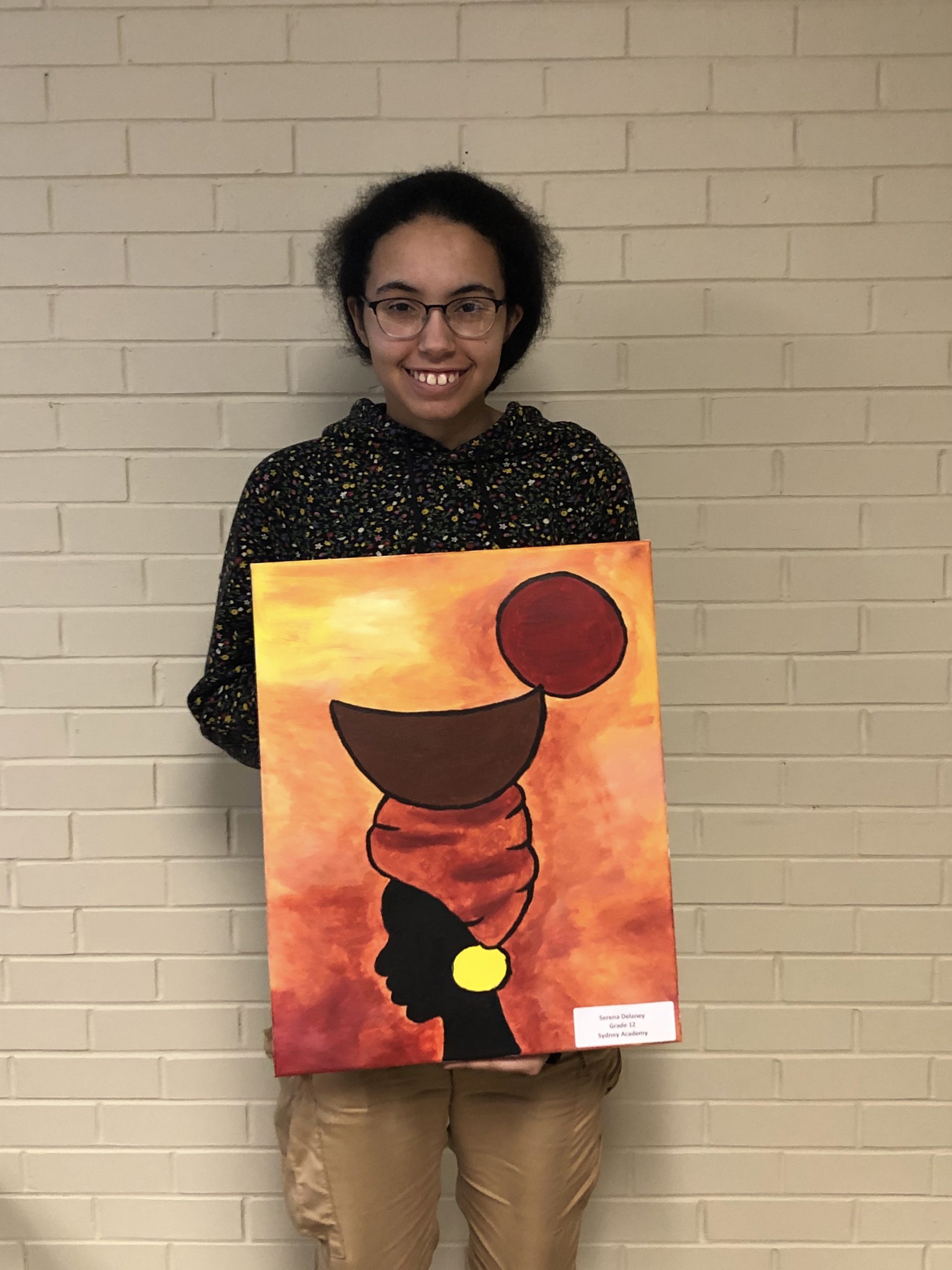
Visual artists play a pivotal role in challenging stereotypes and reshaping narratives. Black Canadian visual artists employ various mediums to explore identity, history, and social justice. Their works challenge preconceived notions, inviting viewers to engage with narratives that transcend the limitations of race and ethnicity. By embracing these visual expressions, Canadians can gain a deeper understanding of the nuances within the Black Canadian experience.
The Underrepresentation Challenge
Addressing Historical Gaps
While Black Canadian art is a vibrant force, its acknowledgment and acceptance face significant challenges, notably historical underrepresentation. Throughout history, the contributions of Black artists have often been marginalized or excluded from mainstream art spaces. This underrepresentation perpetuates a skewed narrative that fails to capture the richness and diversity of Black artistic expression.
Overcoming Stereotypes in the Music Industry
In the music industry, Black Canadian musicians encounter stereotypes and limited opportunities for recognition. Genres like hip-hop, R&B, and reggae, which have roots in Black culture, are sometimes pigeonholed or overlooked. Breaking through these stereotypes requires a collective effort to appreciate the depth and innovation present in Black Canadian music across genres.
The Impact of Cultural Recognition
Fostering Inclusivity and Understanding
The acceptance of Black Canadian art is not merely an aesthetic consideration but a crucial step toward fostering inclusivity and understanding. Art serves as a powerful medium to bridge gaps, challenge biases, and amplify voices that may otherwise go unheard. By recognizing and celebrating Black Canadian art, Canadians contribute to the creation of a more inclusive cultural narrative that reflects the true diversity of the nation.
Economic Empowerment Through Arts
Supporting and acknowledging Black Canadian art also holds economic implications. The art industry, when inclusive, becomes a platform for economic empowerment within the Black community. Recognition and patronage of Black artists contribute to their economic sustainability, creating a ripple effect that positively impacts communities and encourages future generations of artists.
Initiatives and Platforms for Change
Curatorial Initiatives
Curatorial initiatives play a pivotal role in reshaping the narrative around Black Canadian art. Galleries, museums, and cultural institutions can take intentional steps to diversify their collections and exhibition spaces. Curators hold the power to amplify underrepresented voices, tell nuanced stories, and contribute to a more comprehensive understanding of Canada’s cultural heritage.
Digital Platforms and Social Media
In the digital age, social media and online platforms provide avenues for artists to share their work directly with a global audience. Canadians can actively seek out and engage with Black Canadian artists on platforms such as Instagram, Twitter, and dedicated art websites. Social media has become a democratizing force, allowing artists to reach audiences beyond traditional art circles.
Inspirational Voices: Black Canadian Artists Making Waves
Visual Arts: Kent Monkman’s Indigenous Perspectives
Kent Monkman, a prominent Cree visual artist, challenges historical narratives through his work. His paintings and installations explore Indigenous perspectives, reclaiming narratives and inviting viewers to reconsider Canada’s colonial past. Monkman’s art serves as a powerful example of how visual artists contribute to reshaping cultural conversations.
Literature: Esi Edugyan’s Literary Brilliance
Esi Edugyan, an award-winning novelist, enriches Canadian literature with her profound storytelling. Her novels, including “Half-Blood Blues” and “Washington Black,” delve into themes of identity, race, and history. Edugyan’s literary contributions showcase the depth of Black Canadian storytelling, inviting readers to explore diverse narratives.
Music: The Pioneering Sound of Drake
Drake, a global music phenomenon, has left an indelible mark on the music industry. As a Black Canadian artist, he transcends genres, blending hip-hop, R&B, and pop. Drake’s success challenges preconceived notions, proving that Black Canadian musicians can achieve international acclaim while bringing their unique experiences to the forefront.
Embracing the Future: A Call to Action
Cultivating Cultural Literacy
Cultivating cultural literacy is essential for Canadians to fully appreciate and acknowledge Black Canadian art. Educational initiatives at schools and cultural institutions can integrate diverse perspectives into curricula, fostering an environment where the contributions of Black artists are recognized and celebrated.
Supporting Black-Owned Art Spaces
Supporting Black-owned art spaces, galleries, and initiatives amplifies the visibility of Black Canadian artists. Canadians can actively seek out and patronize these spaces, contributing to the economic empowerment of the Black artistic community. Platforms that exclusively showcase Black art provide vital representation and exposure.
Advocating for Inclusivity
Advocacy for inclusivity within cultural institutions, media outlets, and award ceremonies is a critical aspect of dismantling systemic barriers. Canadians can actively participate in conversations about representation, urging organizations to prioritize diversity in their programming and recognition of artists.
Engaging in Critical Conversations
Engaging in open and critical conversations about the importance of recognizing Black Canadian art is a collective responsibility. Individuals, communities, and institutions can initiate dialogues that challenge biases, confront historical gaps, and envision a future where artistic expression truly reflects the diversity of the nation.
In 2024, Canadians are at a crossroads—a moment to reshape cultural narratives, challenge historical biases, and embrace the richness of Black Canadian art. The imperative to recognize, celebrate, and support Black artists is not just a cultural consideration but a commitment to building a more inclusive and equitable society. By acknowledging the diversity of Black Canadian art, Canadians contribute to a collective tapestry that reflects the true mosaic of the nation—one that thrives on the multiplicity of voices, experiences, and artistic expressions.
Follow Canada News Media
Get the day's top Canadian stories and our two daily 60-second news videos wherever you scroll.
X Threads Facebook Instagram LinkedIn TikTok YouTube Pinterest Reddit Substack Flipboard Newsletter RSS