




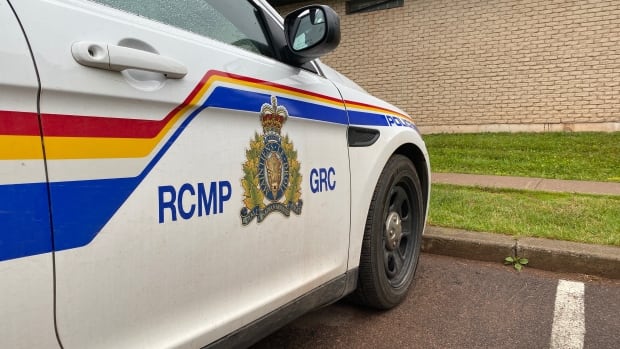
In the heart of the Canadian Prairies, where the majestic Rocky Mountains meet endless stretches of rolling plains, the Royal Canadian Mounted Police (RCMP) stands as a symbol of order, law, and authority. Yet, behind the iconic red serge uniforms and Stetson hats, a deep-rooted issue casts a long shadow – racism. Within Alberta’s RCMP, as in many parts of the country, the problem persists, despite the organization’s commitment to serving all Canadians. This investigative journey unveils the shadows that continue to plague the Alberta RCMP, examining the historical context, recent incidents, and the voices of those calling for change.
Racism within the Alberta RCMP is not a recent phenomenon. It finds its roots in a historical context of colonization, discriminatory policies, and the marginalization of Indigenous peoples. One glaring example is the role of the RCMP in enforcing government policies, including the Indian Act and the establishment of residential schools, which led to the intergenerational trauma faced by Indigenous communities.
The discriminatory practices carried out in the past have had a profound impact on the relationship between Indigenous communities and the RCMP in Alberta. The trauma of these injustices continues to influence the experiences of Indigenous people with law enforcement.
Recent high-profile cases have brought the issue of racism within the Alberta RCMP to the forefront. In 2020, the arrest of Chief Allan Adam of the Athabasca Chipewyan First Nation, caught on video, sparked outrage across the country. The video revealed a violent altercation between Chief Allan Adam and RCMP officers, raising questions about the use of force and the treatment of Indigenous leaders.
Chief Allan Adam’s case is not an isolated incident. It highlights a pattern of violence and abuse that Indigenous individuals in Alberta have faced for generations. The incident has intensified calls for accountability and reform within the RCMP.
Community leaders and advocates are at the forefront of demanding change within the Alberta RCMP. Their voices are essential in the fight against racism and discrimination.
Pamela Buffalo, a lawyer and Indigenous rights advocate, emphasizes the need for cultural sensitivity and understanding within the RCMP. She states, “Cultural competence training is not enough. We need a fundamental shift in how the RCMP interacts with Indigenous communities. This means building trust, understanding our unique challenges, and treating us with respect.”
The Indigenous-led BearPaw Legal Education organization has been instrumental in educating Indigenous communities about their rights when interacting with law enforcement. Crystal Lameman, a spokesperson for BearPaw Legal Education, states, “Knowledge is power. We want to ensure that Indigenous people understand their rights when dealing with the RCMP and can advocate for themselves.”
Calls for transparency and accountability within the Alberta RCMP have grown louder. Advocates argue that more oversight and independent civilian review bodies are needed to address racial discrimination and misconduct effectively. These mechanisms are crucial for restoring public trust and ensuring that justice is served.
In a recent interview, Alberta Premier Rachel Notley expressed her concerns about the need for transparency. She stated, “We need to ensure that there is transparency, accountability, and oversight within the RCMP. The incidents we’ve seen are deeply troubling, and we must address these issues head-on.”
Efforts to reform the Alberta RCMP and address racism are ongoing. These efforts encompass a comprehensive approach, focusing on cultural sensitivity, community engagement, and structural change within the organization.
The Alberta RCMP has implemented diversity and inclusion training programs and is working to increase the representation of Indigenous and visible minority officers. However, advocates argue that these measures are only the first step toward addressing deep-rooted issues.
The road to reform is long, but it is not insurmountable. The commitment to change, accountability, and transparency is crucial in creating a more equitable law enforcement system that serves all Albertans. By acknowledging the historical context, amplifying the voices of advocates, and demanding accountability, Alberta can strive towards a future where the RCMP upholds justice, equality, and the well-being of all its citizens.
Racism within Alberta’s RCMP is a deeply ingrained issue that cannot be ignored. The historical context, recent high-profile incidents, and the voices of advocates collectively highlight the urgent need for change. Reform efforts, driven by transparency and accountability, are essential to ensure that the Alberta RCMP serves as an institution that upholds justice and equality for all, irrespective of their racial or cultural background. The shadows that have plagued the Alberta RCMP for so long must be dispelled, allowing a brighter and more inclusive future to emerge.
Follow Canada News Media
Get the day's top Canadian stories and our two daily 60-second news videos wherever you scroll.
X Threads Facebook Instagram LinkedIn TikTok YouTube Pinterest Reddit Substack Flipboard Newsletter RSS