




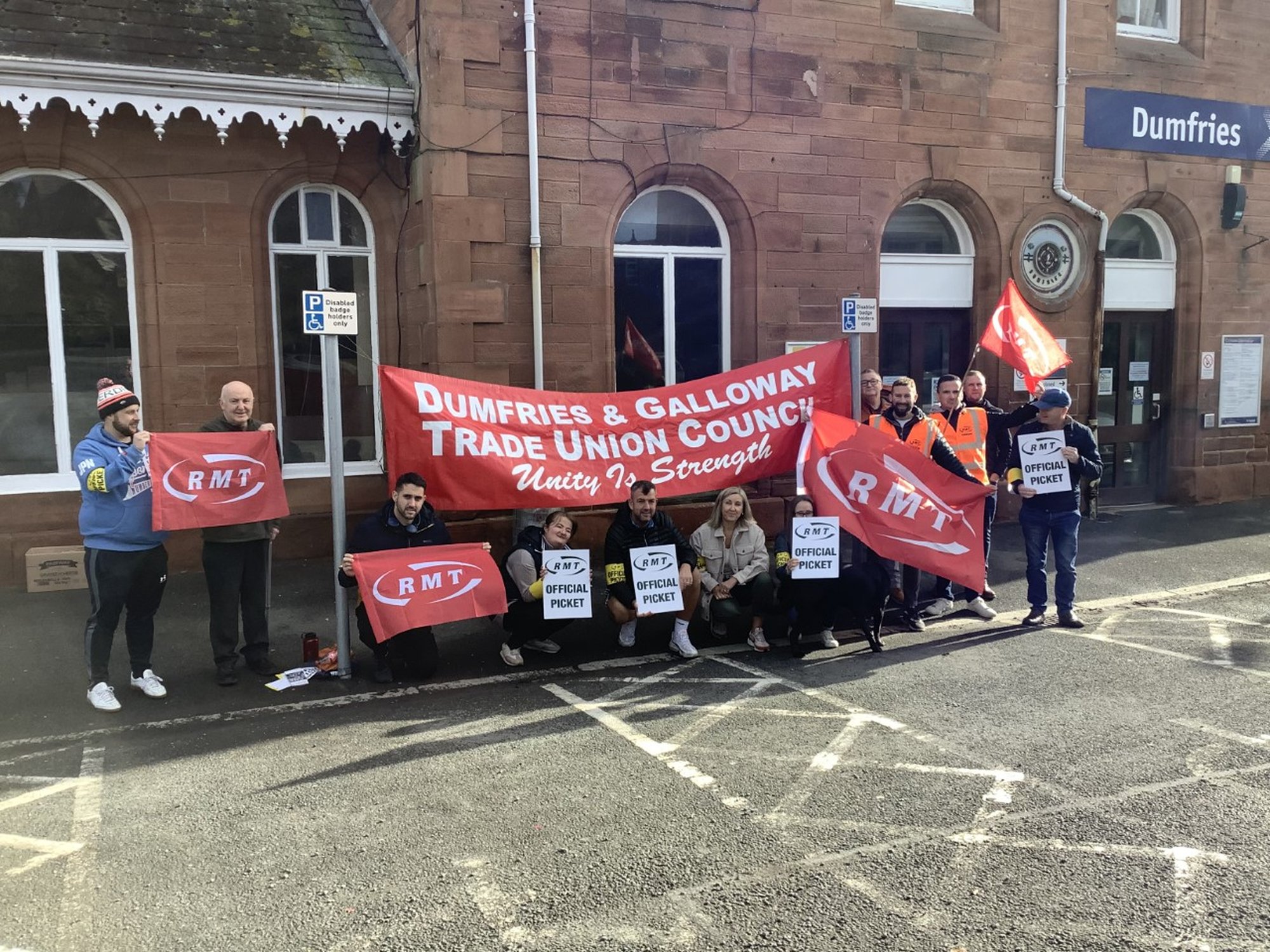
London, United Kingdom (UK)- UK’s biggest transport union, RMT, has asked its members to continue backing a nationwide campaign of industrial action for a further six months.
The RMT has since led the most significant industrial action to hit the British transport industry in a generation, repeatedly bringing railways to a near standstill.
Moreso, the RMT’s general secretary, Mick Lynch, said the union was still negotiating to avoid redundancies and cuts to maintenance work before they would tackle pay.
The government, which controls the industry’s finances, and train operators argue that significant pay rises can be unlocked only if there is a major reform to working practices, particularly among RMT members in Network Rail’s maintenance division.
However, the union has said it does not oppose modernization but that it cannot accept the level of changes to its members’ jobs that have been proposed.
Speaking to MPs on the Commons transport select committee on Wednesday, Lynch said the only offer the RMT had received of 8 percent over two years, with inflation currently at about 10 percent was not going to fly.
“The railway does need fundamental change, but it’s not the one that the railway companies are seeking. We need a railway that runs in the interests of the people and the interests of the economy and the environment, not in the interests of First Group and others (referring to the owners of Avanti West Coast trains).
We need fundamental change but we don’t need to attack the staff. If there are billions of Pounds in circulation, that is quite a comfortable living. If I was getting two percent of all railway income, I would be doing quite well. Normally businesses have to put capital at risk.
I think it’s a cartel of people that are working with the government. No matter what their reputation is in this industry, the government will keep paying them,” said Lynch.
However, Network Rail’s lead negotiator, Tim Shoveller, told the committee that he was continually hopeful for an agreement and that there had been a slight change in talks held this week.
The RMT is locked in a months-long dispute with railway companies over pay, job security and changes to working practices after the industry’s finances were dealt a severe blow by the loss of passenger revenue during the COVID-19 pandemic.
Drivers’ union Aslef has also been holding strikes since the summer, but its mandate does not run out until January.
Follow Canada News Media
Get the day's top Canadian stories and our two daily 60-second news videos wherever you scroll.
X Threads Facebook Instagram LinkedIn TikTok YouTube Pinterest Reddit Substack Flipboard Newsletter RSS