



If an agreement can’t be reached, non-binding recommendations will be made and both sides will have five days to either accept or reject the proposal.
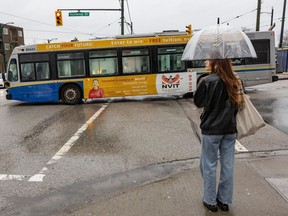
The B.C. government has appointed a special mediator in a bid to resolve the dispute between transit supervisors and Coast Mountain Bus Company that prompted a two-day shutdown of bus services earlier this week.
While both the company and CUPE 4500 have agreed to work with Vince Ready, the union said it will launch a new 72-hour strike if a tentative deal isn’t reached by next week.
“I think the decision to appoint a mediator is an indication that the province is interested in the process and in a quick resolution,” he said Wednesday.
B.C. Labour Minister Harry Bains said Ready will work with the bus company and union for six days. If an agreement can’t be reached, he’ll issue non-binding recommendations and both sides will have five days to either accept or reject the proposal.
“With his appointment, the parties have all the tools they need to reach an agreement,” said Bains.
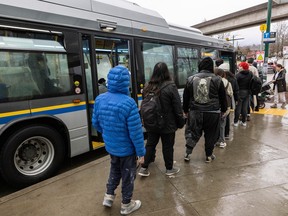
The union said it won’t escalate job action until Ready’s recommendations are received on Feb. 2, but if they don’t have a tentative agreement by midnight, they’ll withdraw service for 72 hours, possibly impacting SkyTrain service if the B.C. Labour Relations Board permits.
Prest said that while the B.C. government’s responsibility for regional transportation is limited to the provincial act that establishes TransLink and funding for major capital projects, politicians are likely keeping a close eye on the situation.
“It’s not surprising this has been a difficult process,” Prest said.
TransLink’s complex governance structure makes it difficult to understand who is responsible for labour negotiations.
Coast Mountain Bus Company is the contract operator of buses in Metro Vancouver, but is a wholly-owned subsidiary of TransLink.
The regional transportation authority’s governance structure includes a board of directors, with up to two directors appointed by the province, as well as the mayors’ council on regional transportation, which is made up of 21 Metro Vancouver mayors, the chief of the Tsawwassen First Nation and the elected representative of Electoral Area A.

The mayors’ council approves 10-year transportation investment plans and long-term strategies.
Metro Vancouver provides input to TransLink on its long-term transportation strategies and 10-year transportation investment plans and advises the mayors’ council on proposed borrowing limit increases in 10-year transportation investment plans.
Chair of the mayors’ council, Port Coquitlam Mayor Brad West, said he could not speak on matters related to the strike. “The mayors’ council has no jurisdiction or oversight of TransLink’s operations or management,” he said by email in response to an earlier request for comment.
Bus drivers belong to a different union, but members respected the picket lines.

Coast Mountain said in a statement that Ready’s appointment is good news for bus riders.
“We hope the union will not resume any job action while the special mediator is doing his work.”
Ready has already been involved in this dispute and worked with both sides last weekend before talks broke down, setting off the strike action.
The bus company said the union was demanding a 25-per-cent pay rise, while the union said Coast Mountain tried to bully it in the negotiations.
The Labour Relations Board is hearing a complaint from the union on Monday and Tuesday, alleging Coast Mountain unfairly tried to reduce the impact of its job action.
The Greater Vancouver Board of Trade said in a statement that it welcomes Ready’s appointment.
“Mr. Ready’s credentials are well demonstrated, and the appointment conveys the seriousness of the dispute’s economic impact,” said board president Bridgitte Anderson.
With files by The Canadian Press