

In the whirlwind of news cycles and the relentless pace of the digital era, it’s easy for certain narratives to fade from the forefront of public discourse. The fervor that surrounded the Black Lives Matter (BLM) movement in 2020, a year marked by global protests and a resounding call for racial justice, might seem like a distant memory. However, beneath the surface, the movement’s impact continues to resonate, shaping ongoing conversations about race, equity, and systemic change.
Cast your mind back to 2020, a year that will be etched in history for myriad reasons, chief among them being the global outcry for racial justice. Sparked by the tragic death of George Floyd, a Black man, at the hands of a police officer in the United States, the incident acted as a catalyst, reigniting conversations about systemic racism, police brutality, and the need for profound societal change.
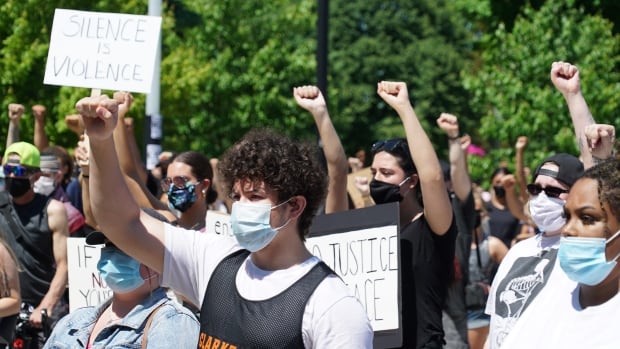
The streets echoed with chants of “Black Lives Matter,” not just in the United States but across the globe. Protests erupted in major cities, small towns, and even in places far removed from the epicenter of the incident. The movement transcended borders, languages, and cultures, emerging as a unifying force against the pervasive issue of racial injustice.
Follow Canada News Media
Get the day's top Canadian stories and our two daily 60-second news videos wherever you scroll.
X Threads Facebook Instagram LinkedIn TikTok YouTube Pinterest Reddit Substack Flipboard Newsletter RSS