
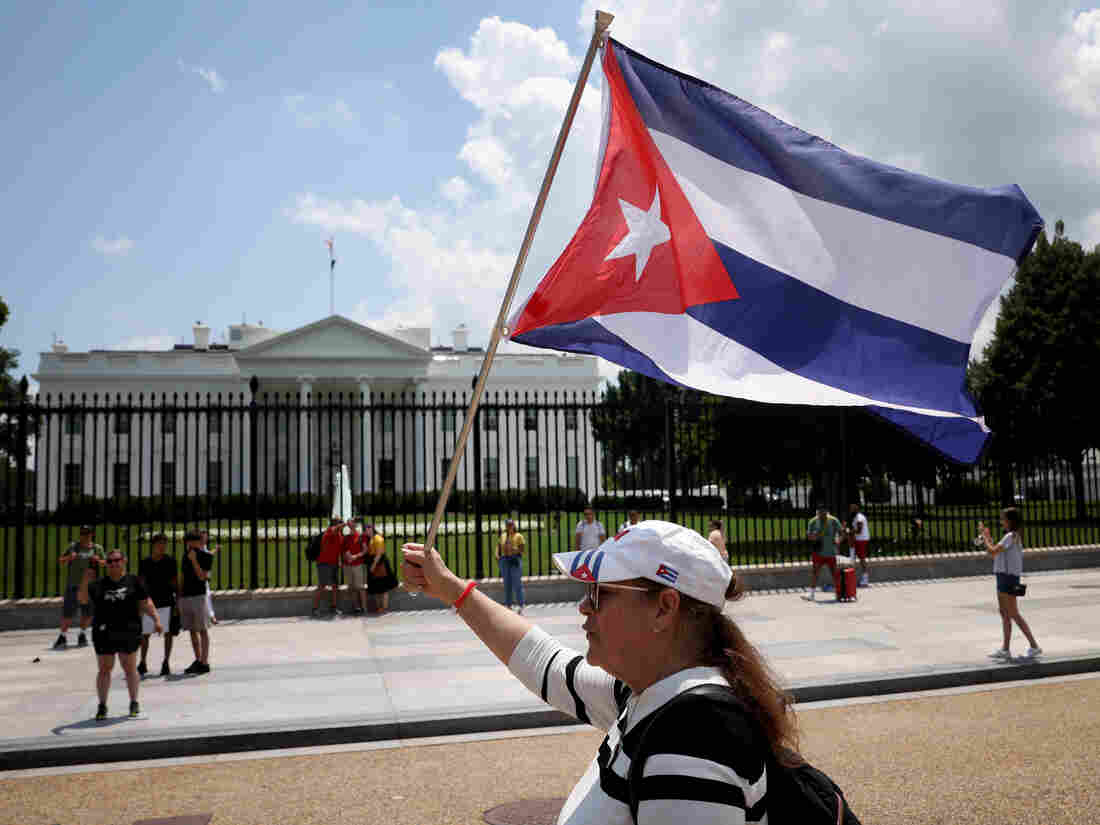
The country’s recent announcement of a series of steps to loosen some Trump-era restrictions on travelling to Cuba and the transfer of family remittances between the two countries has been met with some contention.
Yesterday the government said it will aim to issue 20 000 visas under a family reunification programme for Cubans to join their relatives in the US and will also permit more commercial flights to destinations beyond Havana for group educational trips and lift a US$1 000 limit on quarterly remittances.
However, Cuba’s Foreign Minister, Bruno Rodriguez, said the decision doesn’t change the embargoes which have been in place since 1962 nor most of Trump’s measures against the country.
“It’s a limited step in the right direction. To know the real scope of this announcement, we must wait for the publication of the regulation that will determine its application,” said Rodriguez.
At the same time, US Senator, Robert Menendez, chairperson of the Senate Foreign Relations Committee and a member of President Joe Biden‘s Democratic Party denounced the announcement.
“To be clear, those who still believe that increasing travel will breed democracy in Cuba are simply in a state of denial. Today’s announcement risks sending the wrong message to the wrong people at the wrong time and for all the wrong reasons. For decades, the world has been travelling to Cuba and nothing has changed,” said Menendez.
The COVID-19 pandemic and the war in Ukraine have hurt the Cuban economy, with fuel scarcity causing blackouts and limiting public transport.
According to statistics from the US Customs and Border Protection, the economic crisis has driven more Cubans to try to migrate to the US. Since October, almost 80 000 Cubans have crossed the US-Mexico border, more than double the number in 2021.
Follow Canada News Media
Get the day's top Canadian stories and our two daily 60-second news videos wherever you scroll.